Trump Weighs War Exit Amid Iran Strikes and Internal Debate
President Trump is reportedly facing internal debate over how to end the escalating conflict with Iran, according to a new Time Magazine report. While publicly vowing to increase strikes, privately Trump seeks an "off-ramp" to declare victory and avoid domestic backlash, even as advisors express surprise at Iran's retaliatory attacks.

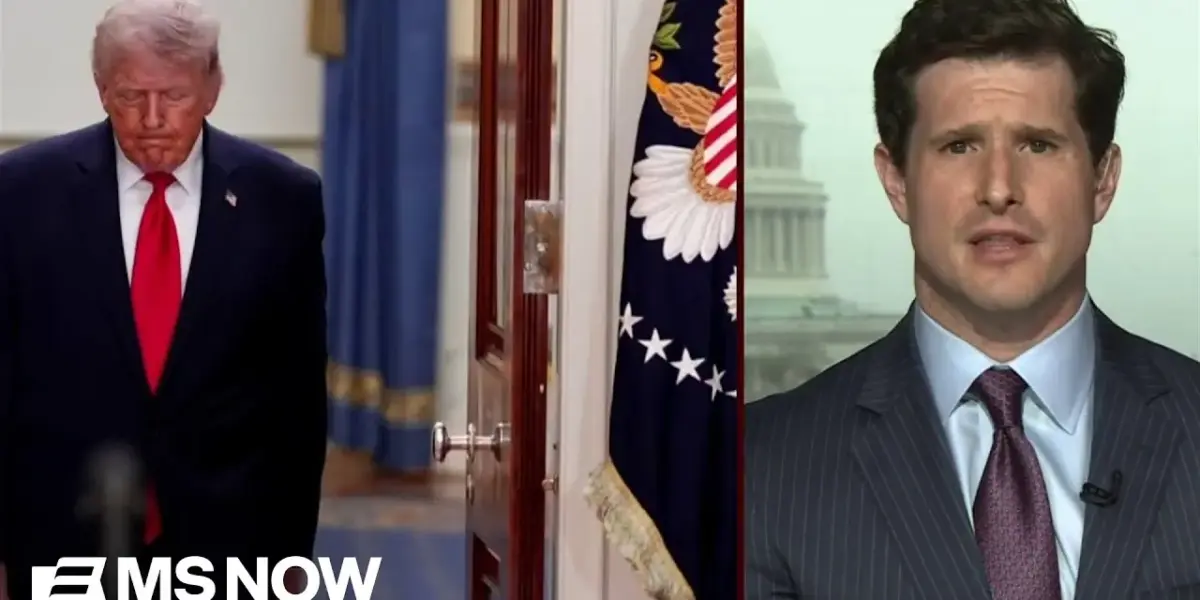
White House Divided on Iran War Strategy
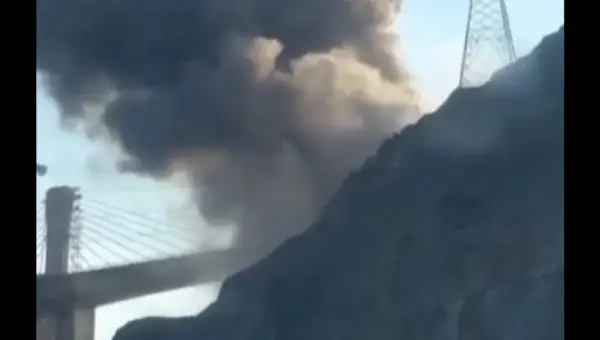
The United States and Iran are locked in a cycle of escalating attacks, with the conflict showing no signs of ending after weeks of fighting. Yesterday, U.S. airstrikes hit a major bridge in Iran, connecting Tehran to western regions. This strike killed at least eight people and injured 95, according to Iranian media. President Trump responded to the attack by posting a video on Truth Social, warning that more actions, including hitting power plants, would follow if Iran did not agree to a deal.
Iran has also retaliated. Tehran reported that a separate strike yesterday severely damaged the country’s oldest medical research institution. Iranian officials condemned this as a “direct assault on international health security.” Meanwhile, Iran has continued its own attacks, prompting warnings from the UAE, Bahrain, and Saudi Arabia about incoming strikes. Kuwait reported that its main oil refinery was hit by drones, causing a fire.
Inside Trump’s Search for an Exit
A new cover story in Time Magazine explores President Trump’s efforts to find a way out of the war with Iran. The article features an interview with the President and insights from administration officials. Time’s Senior Political Correspondent, Eric Cordaleza, who reported the story, spoke about the complex situation.
Cordaleza discussed a conversation with President Trump regarding negotiations. “In a phone interview the next morning, Trump told Time that Iran was easy to make a deal to end the fighting,” Cordaleza reported. “Why wouldn’t they call? We just blew up their three big bridges last night. They’re getting decimated. They say Trump is not negotiating with Iran. I mean, it’s sort of an easy negotiation.”
Conflicting Impulses Drive Policy
Despite outward confidence, there is a growing recognition within the White House that the situation may be getting out of control. Officials, including Defense Secretary Pete Hegseth, were reportedly surprised by the scale of Iran’s retaliatory attacks on U.S. and Israeli targets. Pentagon spokesman Sean Parnell, however, told Time, “Nothing Iran does surprises us. We are ready, we are dominant and we are winning.”
Cordaleza explained that President Trump seems to be driven by conflicting desires. “On the one hand, he knows based on conversations with his close advisors, based on polling, that this war is deeply unpopular,” he said. “It is causing all sorts of domestic economic pain and that he has a very narrow window before there’s a serious backlash against him and his party.”
However, Trump is also determined to achieve his goal of eliminating the threat of a nuclear-armed Iran, a long-standing objective. This led to a contradictory message in a recent primetime address. Trump stated they were “nearing completion” and “two to three weeks away” from their goal, yet also vowed to continue striking harder.
A “Tug-of-War” in the West Wing
Journalist Peter Baker questioned Cordaleza about the “tug-of-war,” asking if it was within the administration or within Trump’s own mind. Cordaleza suggested it was likely both. He believes the administration wanted to calm the fears of their supporters, particularly the MAGA base, who felt the war went against Trump’s campaign promises.
“I think what President Trump wants is an exit he is a little bit of a democratic strategy, an off-ramp in which he can declare victory and the fighting and hope the economic conditions improve once he’s able to get out of be a little bit of this.”
Cordaleza noted that Trump is improvisational and, like in his real estate dealings, often plans multiple exit strategies. This approach is mirrored in his rhetoric, which often allows for plausible deniability. The challenge, Cordaleza explained, is that while Trump is shown videos of military successes, these do not always align with the potential for a domestic quagmire, especially if he seeks a second term.
What’s Next?
Some close advisors are reportedly working to impress upon the President the limited time he has to resolve the conflict. The coming days will show whose advice President Trump ultimately decides to heed as the war continues and the pressure for a resolution mounts.
Source: Time Magazine: There's a tug-of-war inside the WH on how to get out of Iran (YouTube)

Related Articles
Trump Escalates Iran Tensions, Targets Infrastructure
President Trump has warned of intensified strikes against Iran, targeting infrastructure like bridges and power plants. This strategy aims to pressure the regime into peace talks, though Iranian officials condemn it as an attack on civilian life. U.S. officials state the strikes target military supply routes to undermine Iran's capabilities.
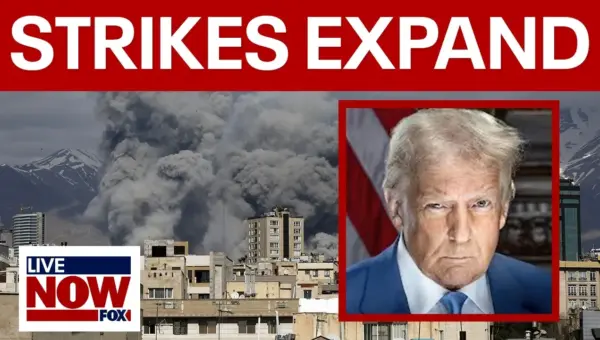
Trump Threatens Iran: Bridges, Power Plants Next Targets
President Trump has escalated his rhetoric against Iran, threatening to target critical infrastructure like bridges and power plants. These comments come amidst ongoing military operations and a recent shake-up in Army leadership. Geopolitics experts suggest this is a strategic move to pressure Iran's hardliners, with a focus on concluding operations swiftly.

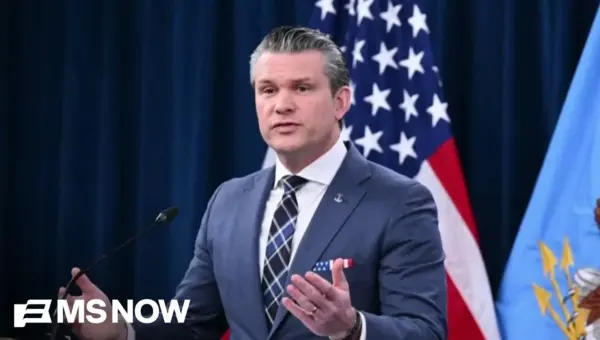
Hegseth Fires Army Chief Amid War, Sparks Uproar
Defense Secretary Pete Hegseth has abruptly fired Army Chief of Staff General Randy George amid the ongoing war in Iran, sparking widespread concern and questions on Capitol Hill. Critics allege the move is part of a pattern of political purges, weakening experienced leadership. With General George out and a new acting chief expected, the focus is on the stability and direction of the Army's command during a critical period.