Trump Weighs War Crime Threat Over Iran Strait
President Trump is reportedly willing to accept the continued closure of the Strait of Hormuz, despite earlier threats, signaling a shift in U.S. demands. This comes as gas prices surge and markets react negatively to the ongoing conflict. Conflicting messages from within the administration fuel confusion about the war's objectives and exit strategy.

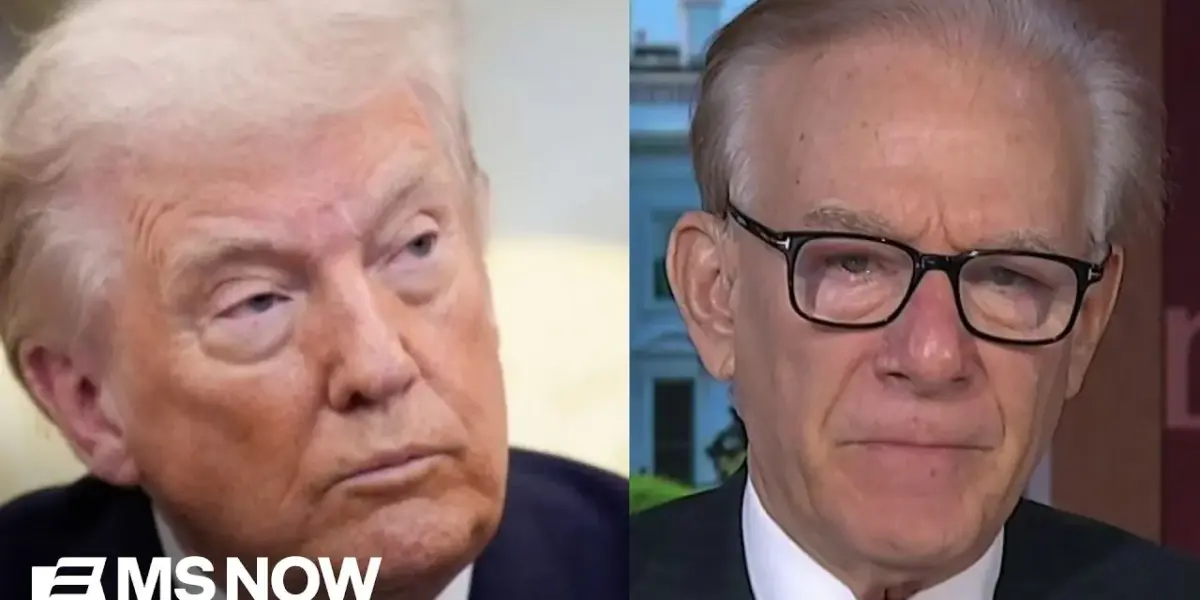
Conflicting Signals Emerge from Administration on Iran Conflict
President Trump is sending mixed signals regarding the ongoing conflict with Iran, with recent reports indicating he is willing to accept the closure of the Strait of Hormuz, even if it means extending the military mission. This comes as the war continues to impact global markets, pushing gas prices above $4 a gallon in the United States. The situation is marked by conflicting statements from within the administration about the goals and potential outcomes of the conflict.
President’s Stance on Strait of Hormuz Shifts
New reporting from The Wall Street Journal reveals that President Trump has told aides he is prepared to walk away from demands to reopen the Strait of Hormuz, even if it remains closed. This assessment suggests that forcing the waterway open would require extending the U.S. military mission beyond its current four to six-week timeline. Instead, officials indicate the president is prioritizing degrading Iran’s navy and missile capabilities, alongside diplomatic pressure to restore trade flow.
Should diplomatic efforts fail, Washington would look to allies in Europe and the Gulf to take the lead in reopening the strait. Experts suggest this approach aims to shield the United States from further economic damage, such as the rising gas prices and oil shocks currently being experienced. However, this strategy is met with concern, as attacks across the region persist, with reports of large explosions in Saudi Arabia causing initial power outages.
Concerns Over Potential War Crime Threats
The administration has faced scrutiny over President Trump’s rhetoric, including suggestions of attacking civilian infrastructure if Iran does not reopen the Strait of Hormuz. Critics have labeled such threats as potential war crimes, especially given the administration’s repeated assertions that the U.S. does not target civilians. This raises questions about how these aggressive statements align with stated U.S. policy and international law.
Recurring Theme: Taking Iran’s Oil
A recurring theme in discussions surrounding the conflict is the idea of seizing Iran’s oil. Financial Times journalist Ed Luce, who spoke with the president, noted Trump’s repeated emphasis on the ease with which Iran’s oil could be taken, drawing parallels to a model used in Venezuela. Luce described the president as juggling ideas, shifting between discussing the potential seizure of oil and claiming to have productive talks with the Iranian regime, often using Pakistan as an intermediary.
“The president has made it quite clear to the Iranian regime at this moment in time… that their best move is to make a deal or else the United States Armed Forces has capabilities beyond their wildest imagination, and the president is not afraid to use them.”
Despite the focus on military action and potential resource seizure, the president also mentioned indirect talks and the allowance of certain tankers through the strait. This highlights a persistent ambiguity in the administration’s strategy, with statements often appearing contradictory.
Economic Fallout and Market Impact
The conflict’s ripple effects are significantly impacting the U.S. economy. Gas prices have surged past an average of $4 per gallon, a level not seen since August 2022, when Russia’s war in Ukraine disrupted energy markets. Wall Street is also feeling the strain, with the stock market on pace for its worst quarter in four years. This economic pressure adds another layer of complexity to the administration’s decision-making process.
Confusion Over War Aims and Exit Strategy
Analysts and observers point to a consistent pattern of mixed messages regarding the war’s objectives and desired outcomes. David Ignatius of The Washington Post noted that what Secretary of State Rubio says about the war’s potential end differs from President Trump’s statements. He also highlighted the discrepancy between the president’s public stance on reopening the Strait of Hormuz and what he reportedly tells his aides.
This confusion extends to the overall strategy for ending the conflict. The administration initially approached the situation with confidence, expecting a swift resolution, similar to initial expectations surrounding Russia’s invasion of Ukraine. However, as the conflict has dragged on, the administration appears to be grappling with how to achieve a satisfactory conclusion, leading to the current environment of unclear objectives and mixed signals.
Looking Ahead
As the conflict with Iran continues, attention will remain focused on whether the administration can articulate a clear and consistent strategy. The economic consequences, particularly rising energy prices, will likely intensify pressure for a resolution. International allies are also watching closely, with some reportedly offering warnings and urging the U.S. to see the situation through to a defined end. The coming weeks will be critical in determining whether President Trump’s administration can navigate these complexities and achieve its stated goals without further escalating regional instability or economic hardship.
Source: David Ignatius: Different messages, different accounts within administration on Iran (YouTube)

Related Articles
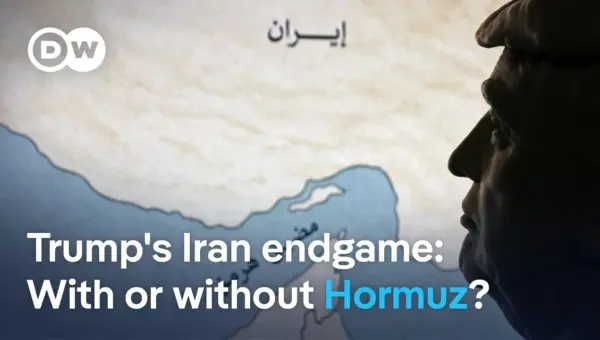
US Weighs Iran Strategy: Hormuz Strait’s Fate Uncertain
The United States is reportedly reconsidering its strategy in the Iran conflict, potentially willing to end hostilities even if the Strait of Hormuz remains closed. This critical oil choke point's closure has trapped thousands of vessels, causing global economic disruption and raising questions about U.S. war objectives. Military action remains a strong possibility to reopen the vital waterway.

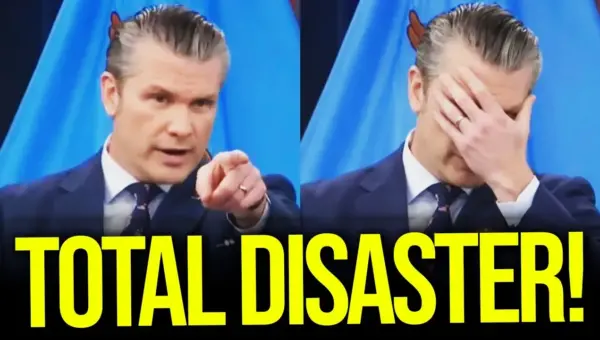
Hegseth Undermines Trump’s War Plans Daily
Pete Hegseth, Trump's Secretary of Defense, is reportedly undermining the former president's stated war plans with Iran. Conflicting timelines, shifting objectives, and ethical questions surrounding financial dealings create significant uncertainty. This situation highlights the challenges of clear communication and strategic consistency in national security.

US Strikes Iran’s Secret Sites, Threatening Strait of Hormuz Control
The United States has launched significant strikes against secret Iranian facilities, utilizing advanced bombers and electronic warfare aircraft. Despite these attacks, Iran continues its aggression, and concerns are rising over control of the vital Strait of Hormuz, a crucial waterway for global oil transport.