Trump Weighs Oil Price Options Amid Iran War Disruptions
President Trump is exploring options to mitigate rising oil prices amidst the escalating conflict with Iran. Following the President's comments suggesting the war is nearing completion, crude oil prices saw a significant drop, though gasoline prices remain elevated for consumers. The White House is prioritizing strategies to stabilize energy markets and address economic concerns.

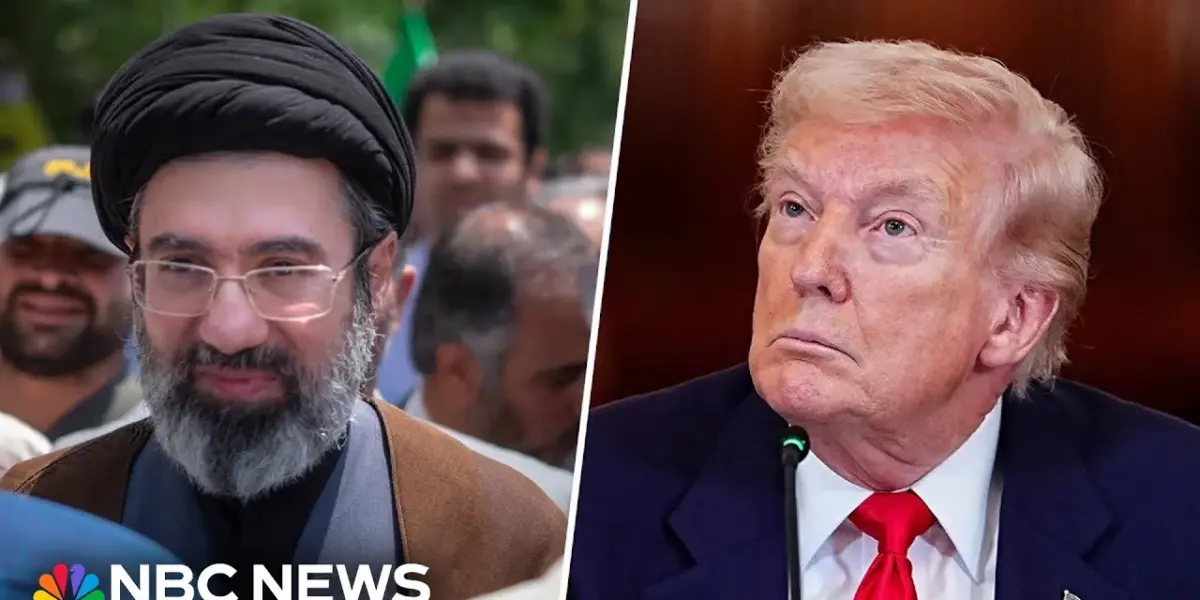
Trump Considers Options to Counter Oil Price Volatility Amid Iran Conflict
WASHINGTON D.C. – In the midst of escalating conflict with Iran, President Trump is actively exploring measures to stabilize soaring oil prices, a move that could significantly impact American consumers and the upcoming midterm elections. The President’s comments suggesting the war is nearing its end have already sent shockwaves through global energy markets, causing a dramatic drop in crude oil prices after a weekend spike.
Market Reacts to Presidential Statements on Iran War
Wall Street saw a late surge on day ten of the US war with Iran, largely driven by President Trump’s remarks in a CBS interview where he stated, “I think the war is very complete, pretty much.” This statement provided a stark contrast to earlier market anxieties over the economic toll of the conflict, which had pushed oil prices to nearly $120 a barrel over the weekend. Following the President’s comments, the price of crude oil plummeted to approximately $85 a barrel.
For everyday Americans, the volatility has translated into tangible pain at the pump, with the average price per gallon increasing by nearly $0.50 in the past week alone. This surge followed stunning images of a massive explosion at an oil depot in Tehran, targeted by Israel’s military, and announcements from Middle Eastern oil producers of reduced production due to the conflict.
White House Addresses Economic Concerns and Future Energy Supply
The Trump administration is working to allay concerns about rising gas prices, which have been identified as a potential liability for the President and his party. White House officials emphasized that the current situation represents a “short-term disruption.” They argue that removing the “rogue Iranian regime” will ultimately benefit the oil industry and lead to lower prices in the long run.
“The President is going to continue to stay focused on ending a 47-year conflict. Stay focused on growing the global energy supply,” a White House spokesperson stated. “This is actually part of that effort. It does involve a temporary impediment to energy production. But on the other side, it will allow much more energy production and much lower energy prices.”
According to a U.S. official familiar with internal discussions, the President was briefed on potential additional options to mitigate oil prices. While the specifics remain undisclosed, the White House has asserted that addressing these prices is a top priority, with the President reviewing “all credible options.” They maintain that plans are in place to keep energy markets stable, even before the conflict began, and that short-term pain will eventually ease.
“This is a short term disruption. We’re seeing a slight increase in oil and gas prices, but ultimately taking out the rogue Iranian regime is going to be a good thing for the oil industry industry, and those prices are going to come back down.”
Iran Appoints New Hardline Leader Amidst Escalating Tensions
Adding a layer of complexity to the conflict, Iran named Mojtaba Khamenei, son of the former Supreme Leader Ayatollah Ali Khamenei, as its new leader over the weekend. This decision has been met with skepticism by the U.S., with President Trump calling it a “big mistake.” Israel’s military has vowed to pursue any successor appointed by Iran, potentially prolonging the conflict.
The fighting in the region continues to escalate. When asked by Meet the Press moderator Kristen Welker about the conditions for a ceasefire, Iran’s Foreign Minister stated, “This doesn’t work like this. So there should be a permanent end of the war. And unless we get to that, I think we need to continue fighting for the sake of our people and our security.”
U.S. Troop Deployment and Military Objectives Under Discussion
Sources indicate that President Trump has privately expressed significant interest in deploying U.S. ground troops into Iran. While the President has been reluctant to discuss the specifics, stating it is “not an appropriate question,” he has also suggested that any such deployment would be for “very good reason” and would result in decisive victory.
Defense Secretary Hegseth affirmed the Pentagon’s willingness to “go as far as we need to in order to be successful.” However, the exact definition of “success” remains unclear. While near-term military objectives include diminishing Iran’s nuclear capabilities, missile programs, and naval power, the broader strategy, particularly concerning potential regime change, is less defined. Officials are reportedly hesitant to reveal future plans, even as the U.S. military operates in targeted areas and the possibility of a post-war U.S. military presence for purposes like securing nuclear materials is being discussed.
NBC News has also reported on an incident where an elementary school in southern Iran was struck, resulting in civilian casualties. While President Trump expressed his opinion that Iran was responsible, citing their munitions’ inaccuracy, the Pentagon is still investigating. Official statements suggest the U.S. military was operating in the vicinity, and some officials are increasingly leaning towards the conclusion that a U.S. munition may have been involved, though this remains under investigation.
Broader Economic Impact and Future Outlook
The ripple effects of oil price fluctuations extend beyond gasoline. Higher oil costs impact the prices of food, manufactured goods, shipping, and air travel. The Strait of Hormuz, a critical chokepoint for energy and other commodities like aluminum, sugar, and fertilizer, plays a vital role in the global supply chain, meaning disruptions can lead to widespread price increases for consumers.
Analysts suggest that if crude oil prices remain around $90 a barrel, gasoline prices could hover near $3.50 to $3.65 per gallon before potentially decreasing, depending on the ongoing geopolitical situation. The volatility underscores the delicate balance of global energy markets and the significant influence of geopolitical events on daily economic life.
Looking ahead, attention remains sharply focused on the U.S. military’s objectives in Iran, the potential for U.S. troop deployment, and the administration’s strategy for managing energy prices. The coming days will likely bring further clarity, or perhaps more questions, as the conflict evolves and its economic consequences unfold.
Source: Trump considering ‘options to mitigate’ oil prices amid Iran war disruptions (YouTube)

Related Articles


Kharg Island: Trump’s Secret Weapon to Cripple Iran’s Economy?
Kharg Island, Iran's primary oil export hub, could be a key target for U.S. pressure, potentially crippling the nation's economy. Despite historical considerations and immense strategic value, seizing the island presents significant military risks and the possibility of sabotage by a desperate Iranian regime.


Trump Signals War End, Oil Prices Plunge to $91
Former President Donald Trump's remarks suggesting a potential end to the conflict have caused oil prices to plummet to $91 per barrel. The market is reacting to a shift in geopolitical rhetoric, with cautious optimism surrounding the implications for energy markets and the global economy.


Trump Eyes Iran Conflict for Global Oil Control
Political analyst Stanislav Bilovski suggests a potential U.S. military operation against Iran could be a strategic move by Donald Trump to control global oil markets and achieve domestic political goals. While Iran possesses regional resilience, its isolation and Russia's limited capacity to intervene paint a complex geopolitical picture. The outcome hinges on various factors, including the conflict's duration and potential U.S. domestic political maneuvers.