Trump Weighs Deal With Iran Amid Tensions, Cuba Focus
The Trump administration is actively exploring a potential deal with Iran, with President Trump expressing optimism. Simultaneously, strong signals indicate a possible major shift in U.S. policy toward Cuba, aiming to alter its geopolitical alignment.

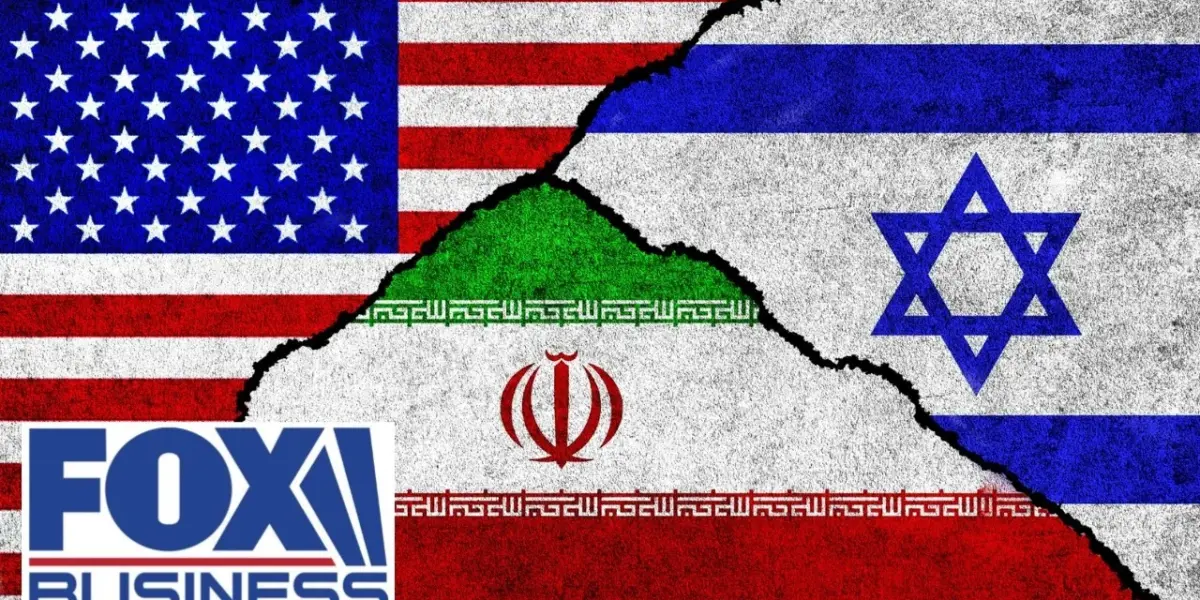
Trump Administration Explores Iran Deal, Signals Shift in Cuba Policy
The Trump administration is actively pursuing potential diplomatic avenues with Iran, even as tensions remain high. President Trump expressed optimism about the possibility of a deal, stating, “They want to make a deal. They are talking to our people.” These discussions come at a complex time, with analysts suggesting recent actions by Israel may be aimed at influencing Iran’s leadership to engage with the U.S.
Rebecca Heinrich, a geopolitical analyst, commented on the situation, suggesting that actions targeting specific Iranian officials could be an effort to “break the political will” of those resistant to a deal. She explained that by removing individuals who have historically refused to cooperate with the United States, the administration might be trying to pave the way for a leader who prioritizes Iran’s survival and stability. “We have some hints that there are some channels that are now open with the Foreign Minister,” Heinrich noted, though she cautioned that “Iran is disengaged and you cannot listen to anything that comes out of the Iran regime to get to the bottom of the truth.”
The context for these talks involves a history of disinformation, which analysts believe Iran is now amplifying with advanced technologies like Artificial Intelligence. This raises concerns about the reliability of information emerging from the regime.
Cuba Policy Signals Potential Major Shift
In parallel, the Trump administration is signaling a significant potential shift in its policy toward Cuba. Following a nationwide power outage affecting 11 million Cubans, President Trump reiterated his strong stance on the island nation. He stated, “All my life I’ve been hearing about the United States and Cuba when will the United States do it, I do believe I will have the honor of taking Cuba.”
When pressed on the meaning of “taking Cuba,” Trump clarified, “In some form, yeah. Whether I free it, take it, do whatever I want with it.” This strong rhetoric suggests a desire for substantial change in Cuba’s political and economic alignment.
The strategic importance of Cuba is highlighted by its current relationship with China and Russia. Analysts believe that Cuba has become a satellite country, allowing Russia to establish bases for intelligence gathering on U.S. activities. Furthermore, Chinese surveillance infrastructure is reportedly present on the island. Pulling Cuba away from the influence of these nations and fostering a more pro-American stance is seen as beneficial for U.S. interests.
“We are in this unprecedented pressure cooker really with Cuba right now, that people are demanding a change in their own country,” Heinrich observed. She suggested that President Trump’s statements indicate a need for a different leader in Cuba, one willing to cooperate with the United States, drawing a parallel to potential leadership changes seen in countries like Venezuela.
Market Impact and Investor Considerations
What Investors Should Know:
- Iran Negotiations: While discussions with Iran are ongoing, the situation remains fluid and influenced by geopolitical events. Investors should monitor developments closely, as any potential deal or escalation could impact oil prices and regional stability. The reliability of information from the Iranian regime is a key concern.
- Cuba Policy Uncertainty: The strong signals from the Trump administration regarding Cuba suggest a potential for significant policy changes. This could affect companies with exposure to Cuba, though direct U.S. investment has historically been limited. The broader geopolitical implications of shifting alliances in the Caribbean could also be a factor for certain sectors.
- Geopolitical Risk Premium: Both Iran and Cuba are areas where U.S. foreign policy can introduce volatility. Investors should be aware that geopolitical developments in these regions can contribute to broader market sentiment and potentially influence sectors sensitive to international relations, such as energy and defense.
The administration’s dual focus on Iran and Cuba highlights a period of active foreign policy engagement. While President Trump expresses confidence in achieving diplomatic breakthroughs, the complex political landscapes in both nations mean that outcomes remain uncertain. Investors will need to track these evolving situations for potential impacts on global markets.
Source: US, Israel is trying to BREAK the political will of those in charge: Analyst (YouTube)

Related Articles

G7 Allies Clash Over Iran War Strategy, Urge Focus on Russia
G7 foreign ministers met in Paris, revealing deep divisions over the U.S. war with Iran. European allies urged the U.S. to pressure Russia, linking its actions to the conflict and fearing support for Ukraine will wane.

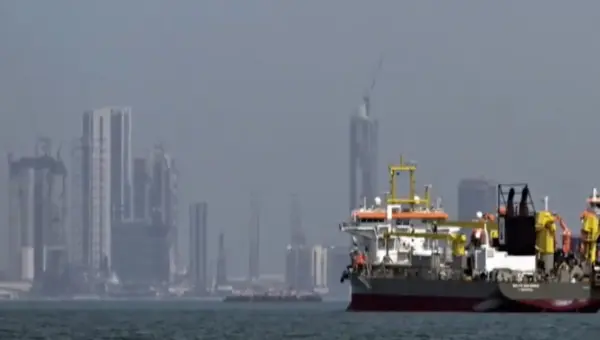
Iran Blocks China Ships, Exposing Beijing’s Weak Grip
Iran's recent decision to block Chinese ships at the Strait of Hormuz is exposing the limits of Beijing's influence in the Middle East. This action is causing delays and cancellations for Chinese manufacturers, turning a perceived geopolitical win into an economic strain.
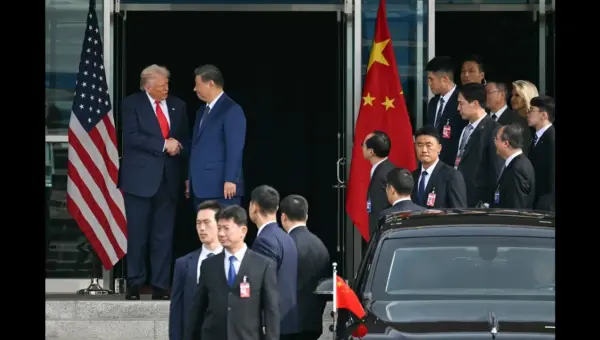
Trump’s “Walk Away” Tactic Signals Tougher Stance on China
Retired Air Force Brigadier General David Stillwell believes President Trump's strategy of being willing to walk away from negotiations puts pressure on China. This tactic, combined with US global actions and strengthened alliances, signals a more assertive American foreign policy.