Trump Weighs Cuba Takeover as Allies Falter
Cuba faces mounting pressure and isolation as traditional allies offer little support. U.S. actions, including an oil embargo, have intensified economic hardship, leading to small but significant protests. President Trump is reportedly considering a takeover, aiming for 'regime compliance' rather than outright change.

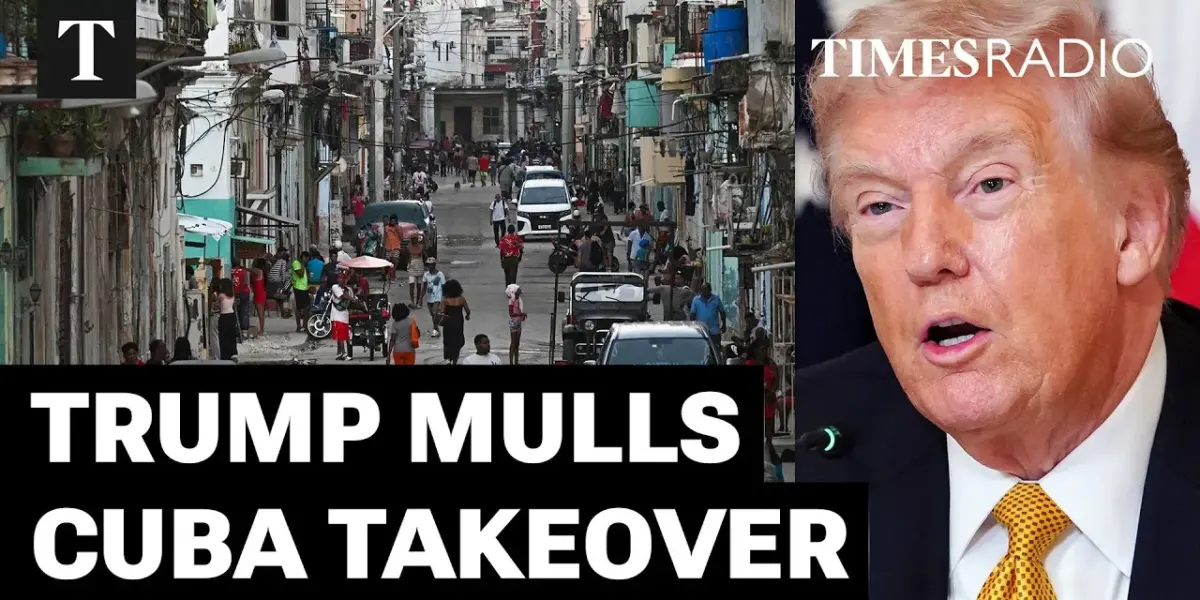
Cuba Faces Isolation as Traditional Allies Offer Little Support
Cuba finds itself increasingly isolated on the international stage, with traditional allies offering minimal support amid growing U.S. pressure. While some leftist leaders in Mexico, Colombia, and Brazil have voiced solidarity, their ability to assist is severely limited.
Regional Leaders Hampered by Domestic and Geopolitical Pressures
Leaders in Mexico and Brazil face internal political challenges and external threats that prevent them from aiding Cuba. Mexico, bordering the United States, is wary of potential military incursions and is in an election year, as is Colombia. These factors significantly constrain their foreign policy options.
Traditional Cuban allies, China and Russia, are also preoccupied with their own pressing global issues. The ongoing war in the Middle East, which has drawn in over a dozen countries, currently dominates the international news agenda. This global focus leaves little room for Cuba to be a significant issue for these powers.
U.S. Pressure Mounts with Oil Embargo
Recent actions by the Trump administration have intensified pressure on Cuba. Following the ousting of Venezuela’s President Maduro, the U.S. cut off Venezuelan oil shipments to Cuba. This move has had a tangible impact on the island’s economy and daily life, exacerbating existing challenges with the electrical grid.
The oil shortage is a critical symptom of Cuba’s economic distress. This is underscored by recent, albeit small, protests observed on the island. While minimal by international standards, these demonstrations are significant in Cuba, where public protests have been virtually non-existent for generations.
Talks Underway, But Disagreements Persist
Significantly, the United States and Cuba are currently engaged in talks. However, there is a wide gap between the U.S. administration’s stated goals and those of the Cuban government in Havana. The U.S. appears to be pushing for specific changes, while Cuba’s objectives remain less clear.
Cuba’s Limited Options and U.S. Leverage
Facing these challenges, Cuba has few viable options. The international community is not in a strong position to offer substantial help. The U.S., under President Trump, understands it has significant leverage over Cuba.
Cuba has begun to release prisoners, some described as political, and is exploring economic restructuring. This includes opening avenues for investment from Cuban exiles living abroad. However, these measures may not be enough to counter the U.S. administration’s assertive stance.
Trump’s ‘Regime Compliance’ Strategy
The Trump administration’s approach is characterized by a focus on economic interests rather than outright regime change. Instead of seeking to dismantle existing power structures, the U.S. appears to be aiming for ‘regime compliance.’ This means ensuring that Cuba’s existing leadership remains in place but adheres to U.S. desires and interests.
President Trump has even mused aloud about the possibility of taking over Cuba. This suggests a strategy focused on economic leverage and political influence, aiming to make Cuba a compliant state rather than a democratic one. The administration is emphasizing that President Miguel Díaz-Canel must go, but there is no current discussion about ending the Communist Party’s rule.
Potential Regional Instability and Refugee Flows
The potential collapse of the Cuban government raises concerns about regional stability and the possibility of a refugee crisis. The 1980 Mariel boatlift, which saw thousands of Cubans flee to Florida, serves as a stark reminder of such possibilities.
The Venezuelan situation offers a clue to the potential regional implications. The U.S. administration’s focus on economic interests suggests a desire for a smooth transition that benefits American businesses. This pragmatic, mercantile approach prioritizes commercial opportunities over complex democratic reforms.
Looking Ahead
The coming months will be critical for Cuba. The effectiveness of U.S. pressure, the response of the Cuban government, and the potential for regional instability will be key factors to watch. The world will be observing whether Cuba can navigate this challenging period or if it will indeed fall under increased U.S. influence.
Source: Cuba Abandoned By Allies As Trump Considers Takeover (YouTube)

Related Articles
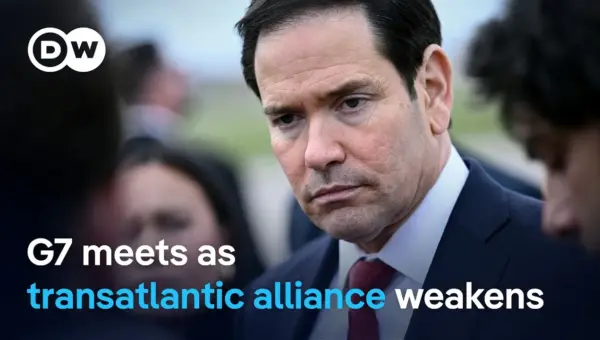
G7 Allies Clash Over Iran War Strategy, Urge Focus on Russia
G7 foreign ministers met in Paris, revealing deep divisions over the U.S. war with Iran. European allies urged the U.S. to pressure Russia, linking its actions to the conflict and fearing support for Ukraine will wane.

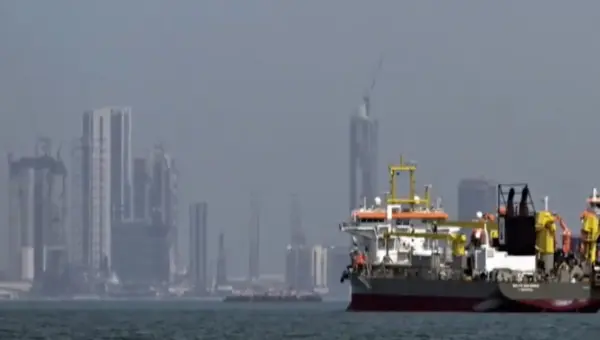
Iran Blocks China Ships, Exposing Beijing’s Weak Grip
Iran's recent decision to block Chinese ships at the Strait of Hormuz is exposing the limits of Beijing's influence in the Middle East. This action is causing delays and cancellations for Chinese manufacturers, turning a perceived geopolitical win into an economic strain.
Rubio: US Can Achieve Iran War Goals Without Troops
Senator Marco Rubio outlined a strategy to counter Iran without deploying U.S. ground troops, focusing on weakening the regime and enhancing maritime security. He also criticized Cuba's economic system and expressed concerns about West Bank violence.