Trump Weaponizes Tragedy to Fuel Immigration Fears
Former President Donald Trump used a graphic video of a woman's murder to criticize President Biden's immigration policies, blaming immigrants and Democrats. This tactic, known as scapegoating, aims to distract from economic problems by stoking fear of outsiders. The analysis suggests this strategy is a core part of the administration's approach to maintaining power.

Trump Weaponizes Tragedy to Fuel Immigration Fears
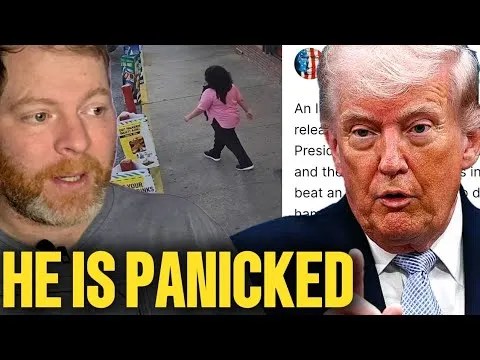
Former President Donald Trump recently posted a graphic video on his Truth Social platform. The video showed a violent attack on a woman, which led to her death. Trump used this terrible event to criticize President Joe Biden’s immigration policies. He claimed that an “illegal alien criminal from Haiti” committed the crime. He also blamed “radical Democrats” for allowing such individuals into the country. This post highlights a key political strategy: using fear and a single tragic event to shape public opinion on immigration.
Exploiting Fear for Political Gain
Trump’s message painted a picture of immigrants as dangerous criminals. He suggested that the Biden administration’s policies have turned the U.S. into a “dumping ground.” He specifically mentioned Haitians and a program called Temporary Protected Status. Trump argued that this program is abused and that his administration worked to end it. He criticized judges for blocking his immigration policies. His post urged Republicans and “common sense Americans” to remember this incident. He warned that Democrats would “reopen the border” if they gained more power, leading to increased crime.
The Strategy of Scapegoating
This tactic of using a specific crime to demonize an entire group of people is known as scapegoating. It’s a strategy that has been used throughout history to distract from other issues. The transcript suggests that this approach is particularly effective when the economy is struggling. When people are worried about their jobs or the cost of living, they can be more easily swayed by fear of outsiders. Trump’s 2015 campaign, for example, focused heavily on the U.S.-Mexico border and the demonization of Mexican immigrants. This fear helped him win votes.
Motivations and Interests
The analysis suggests that Trump’s administration relies on fear to maintain power. This fear is not about pursuing noble ideals but about serving the interests of Wall Street and specific individuals within the U.S. The transcript argues that this administration has used fear and xenophobia to advance its goals. Immigration was a central issue that helped bring this political group to power. By highlighting a horrific crime, the administration aims to divert attention from its own failures, such as economic problems and damage to international relationships.
Economic Woes and Distraction
The transcript points to significant economic problems in the United States. It mentions a struggling economy, wealth shifting to the rich, and job losses. It also notes rising unemployment and inflation. The author suggests that these issues are partly due to foreign policy decisions that have harmed relationships with allies. This has weakened the U.S. dollar. Tariffs on goods also make everyday items more expensive for Americans. With inflation potentially reaching double digits, the administration needs a way to shift public focus away from these domestic failures. Blaming immigrants serves this purpose.
Historical Context and Patterns
The strategy of using tragedies to advance political messages is not new. The transcript mentions that political parties often take advantage of difficult events. This approach, sometimes called “never let an atrocity go to waste,” is seen as a core operating method for this administration. The transcript also recalls past instances where the Haitian community faced false claims, such as being accused of eating pets. These kinds of false narratives are used to create a negative image of a group, making them easier to target.
Critique of Political Leadership
The author expresses strong criticism of the current political climate in the United States. They state that the U.S. has become an opponent of morality and civility globally. The political conversation is described as a “culture war.” The author also criticizes both major political parties, calling corporate Democrats ineffective and suggesting they work for the same powerful interests. The idea of using Article 25 of the Constitution to remove a president is dismissed as a failure that could lead to more public apathy. The hope is placed on grassroots politicians to bring about change, though the author expresses doubt about the effectiveness of hope in the current political environment.
Global Impact
This approach to immigration and politics has significant global implications. By promoting fear and xenophobia, the U.S. damages its international reputation and its relationships with other countries. The rhetoric used can incite hatred and discrimination against immigrant communities both within the U.S. and abroad. Furthermore, when a major power like the U.S. focuses on internal divisions and fear-mongering, it can weaken global cooperation on important issues like climate change, economic stability, and security. The demonization of entire nationalities can also lead to increased tensions and conflicts between nations.
Future Scenarios
One possible future scenario is that this strategy of fear-mongering continues to be effective, helping to consolidate power for the administration. This could lead to harsher immigration policies and further division within society. Another scenario is that voters become fatigued with this approach. They might focus more on economic issues and reject candidates who rely on divisive rhetoric. A third possibility is that grassroots movements gain significant traction, pushing for more inclusive policies and challenging established political powers. However, the transcript suggests that overcoming entrenched power can be very difficult.
Source: WARNING: The Sick Truth Behind Trump's 2 AM Post (YouTube)

Related Articles


Trump’s Allies Flinch as His Own Rhetoric Backfires
Some of Donald Trump's biggest supporters are starting to question his behavior, especially as economic struggles mount. Influencers who once amplified his message are now expressing doubts, highlighting a potential shift in loyalty. This discontent signals that Trump's own rhetoric may be alienating even his closest allies.
GOP’s Trump Problem: Party Faces Reckoning
Some Republican lawmakers are reportedly growing tired of Donald Trump's influence, seeing him as a major problem. Despite a history of supporting Trump, many now face an electorate unimpressed with their lack of results. The party's focus on cultural issues over economic ones may be alienating voters.


Immigration Crisis Fuels Legal System Failures
A brutal hammer attack in Florida by an undocumented immigrant highlights concerns about U.S. immigration and legal system failures. The suspect's alleged past crimes and mental health issues raise questions about public safety and policy.