Trump Weaponizes Pain for Voter Suppression, Critics Claim
A heated exchange reveals accusations that Donald Trump intentionally prolonged a government shutdown to weaponize public pain. Critics claim this strategy aimed to force the passage of a voter suppression bill, rejecting multiple Democratic proposals to fund the TSA. The debate also touched on historical funding decisions for agencies like ICE.

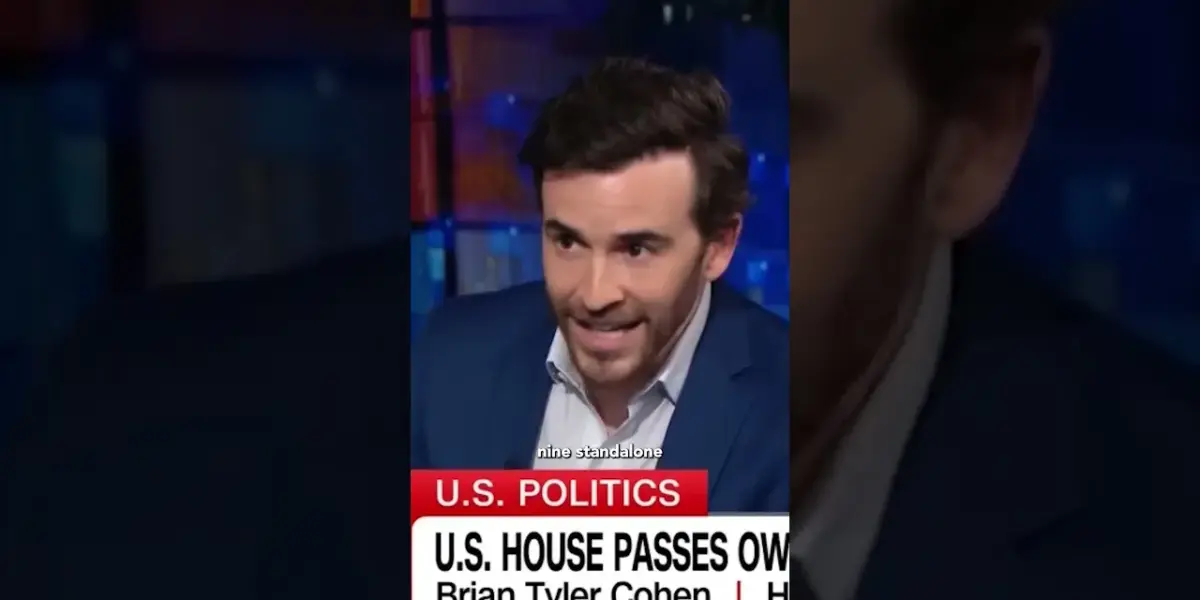
Trump Accused of Using Shutdown for Voter Suppression
A recent exchange highlights a sharp disagreement over government shutdowns and their political motivations. A conservative questioner asked why the government couldn’t reach a deal to end a shutdown. The response suggested a deliberate strategy by Donald Trump to use public suffering as a tool to achieve his political goals, specifically a voter suppression bill.
Democrats’ Funding Proposals Rejected
The argument presented is that numerous options existed to fund the Transportation Security Administration (TSA), which is often affected by such shutdowns. Democrats reportedly put forward nine separate bills aimed at funding the TSA. However, these proposals were allegedly rejected by Donald Trump. Even a Republican senator, Senator Kennedy, is cited as admitting that Trump rejected these efforts. This rejection, according to the analysis, was not due to a lack of viable solutions but a calculated move to create hardship.
The pain is a tool. It is a way for him to avail himself of whatever he can to get what he needs, which is a voter suppression bill.
Pain as a Political Lever
The core of the accusation is that Donald Trump views the pain caused by a government shutdown as a valuable political instrument. This suffering, it is argued, could be leveraged to force concessions or to rally a specific base of voters. The ultimate aim, according to this viewpoint, is the passage of legislation that restricts voting access, a tactic described as voter suppression. The implication is that the well-being of Americans experiencing the direct effects of the shutdown is secondary to this political objective.
Historical Context of Funding Debates
The conversation then shifts to a point of historical comparison, questioning why funding for agencies like Immigration and Customs Enforcement (ICE) under previous administrations (Obama and Biden) is now seen as problematic by some when similar funding debates arise under Trump. This question probes the consistency of political stances on government funding and agency operations. It suggests that the current objections might be politically motivated rather than based on fundamental principles.
Distinguishing Agency Roles
The response to this historical question draws a distinction between agencies like ICE and the TSA in the context of public safety and trust. It is argued that the concern with ICE stems from specific incidents where the agency is accused of actions perceived as harmful or excessive. The statement, “ICE can’t stop shooting and killing Americans in the streets,” points to alleged incidents involving individuals like Renee G. and Alex P. This assertion aims to justify why Democrats might have supported ICE funding under different circumstances, implying that the current objections are tied to specific, alleged misconduct by the agency, which is then used to explain Democratic opposition to certain funding measures.
Why This Matters
This exchange reveals a deep partisan divide and a high level of distrust in the political process. It raises critical questions about the ethics of using government shutdowns as a political bargaining chip. When public services are disrupted and individuals suffer, the justification for such actions comes under intense scrutiny. The accusation of using pain for voter suppression is a serious charge that, if true, points to a concerning trend in political strategy. Understanding these dynamics is crucial for citizens to evaluate the true motives behind policy disputes and government actions. It also highlights the importance of consistent principles in political decision-making, rather than shifting stances based on who holds power.
Implications and Future Outlook
The tactics discussed could shape future negotiations and public perception of political parties. If using shutdowns to achieve policy goals becomes a normalized strategy, Americans may face more frequent disruptions. The focus on voter suppression also points to ongoing battles over election integrity and access. Future outlooks may involve increased polarization, with parties digging in their heels on key issues, potentially leading to more gridlock. Voters will need to look beyond the rhetoric to understand the real-world consequences of these political battles. The methods employed in these disputes could influence how elections are conducted and how accessible they are to all citizens.
Source: Conservative asks question she INSTANTLY regrets (YouTube)

Related Articles
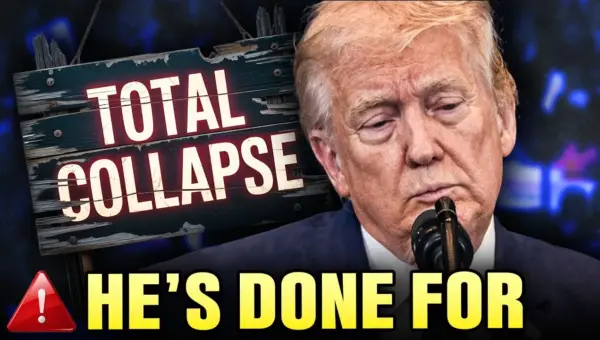
Staff Shields Trump’s Mind from Reality, Experts Warn
A former aide warns that Donald Trump's mental decline is not new, but the system around him can no longer cope. This lack of checks and balances is more dangerous than any cognitive issues, creating significant risks for policy and national security.

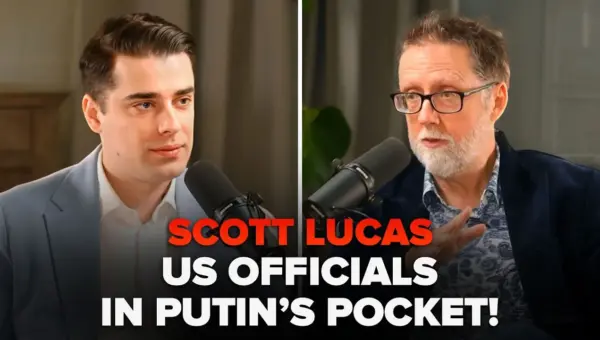
Kremlin Saw Trump as Key Asset, Analysis Reveals
Analysis suggests Moscow viewed Donald Trump as a key "asset" rather than a recruited agent. This perspective allegedly shaped Russian efforts to influence U.S. policy, particularly concerning the 2016 election and ongoing geopolitical conflicts. The piece details alleged Russian engagement with Trump since the 1970s and explores the implications of these connections on international relations.
US Overreaches in Iran Standoff, Experts Warn
U.S. military experts warn President Trump has overextended American capabilities in the escalating standoff with Iran. With significant troop deployments and Iranian threats, the situation is precarious. Experts call for a clear strategy and a diplomatic "off-ramp" to avoid wider conflict.