Trump Warns of Iran Strikes, Questions Putin-Iran Ties
Former President Donald Trump has signaled a potential shift in U.S. strategy toward Iran, suggesting a move away from negotiations towards a more forceful approach. Concerns are mounting over Russia's potential involvement with Iran, adding complexity to regional dynamics. Meanwhile, Ukraine's military capabilities continue to develop, positioning it as a significant player in drone technology and defense.

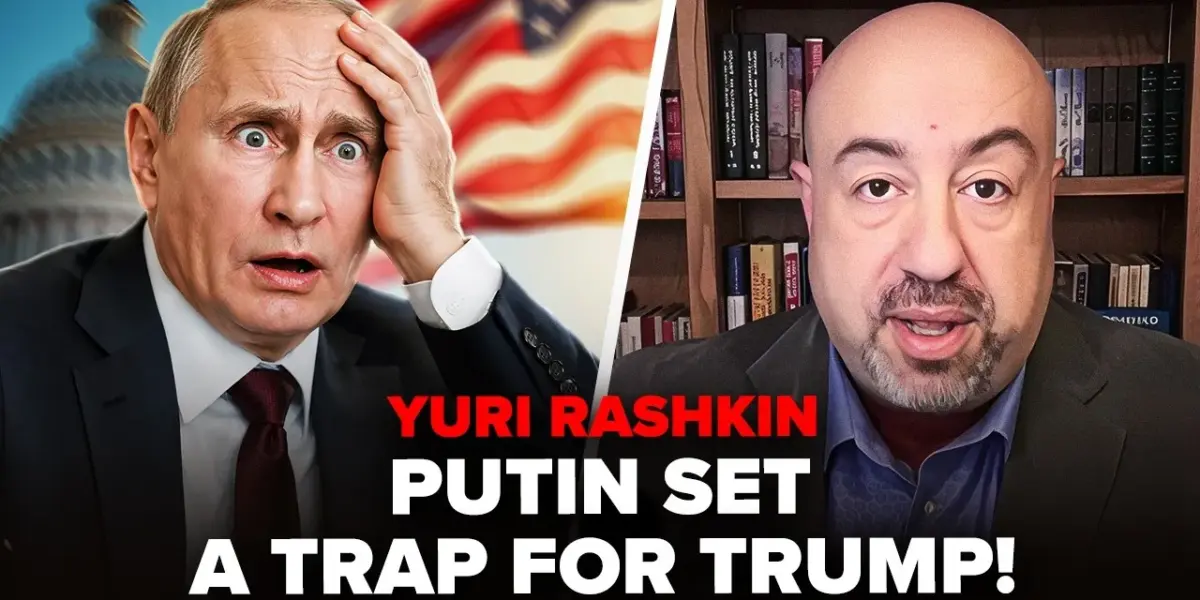
US Policy on Iran Shifts as Trump Eyes Escalation
Former President Donald Trump has signaled a potential shift in U.S. strategy toward Iran, suggesting a move away from negotiations towards a more forceful approach. Trump stated he is not ready to sign any deal with Iran, deeming current terms insufficient, and hinted at possible new U.S. strikes, including on critical infrastructure. This stance raises questions about whether the U.S. is preparing for a prolonged conflict and a potential regional escalation.
Concerns Over Escalating Conflict and Domestic Impact
The escalating tensions with Iran are sparking debate about the U.S. strategy and its potential consequences. There are concerns that the conflict could expand into a wider regional war. Domestically, the impact is already being felt, with rising gas prices directly linked to the ongoing conflict. One analysis suggests gas prices have increased by approximately 25% since the war began, placing a significant financial burden on American households. The lack of clear explanation from the administration regarding the purpose and timing of these actions is a point of contention for many Americans.
Russia’s Potential Role and Geopolitical Alignments
Adding another layer of complexity, concerns have been raised about Russian President Vladimir Putin potentially aiding Iran. Reports suggest Russia may be sharing intelligence on U.S. military positions with Iran. Former President Trump has reportedly acknowledged the possibility of Russian involvement with Iran. This situation highlights a potential alignment where Iran and Russia could be positioned against the United States, Israel, and Ukraine. The dynamic underscores the need for clarity in geopolitical alliances and the potential for increased confrontation between Moscow and Washington.
Strategic Implications and Global Order
The current geopolitical climate, particularly concerning Iran and Russia, raises significant strategic questions. The U.S. approach appears to be shifting from diplomacy to a more assertive posture, with a focus on demonstrating power. However, critics argue that this strategy lacks a clear plan, leaving the U.S. increasingly entangled without defined objectives. This approach is contrasted with the idea of a stable world order, suggesting that current events reflect a breakdown in international stability, where powerful actors act unilaterally.
Historical Parallels and Future Outlook
The situation draws parallels to past U.S. military engagements, such as the Iraq War, where initial reception as liberators quickly devolved into insurgency and prolonged conflict. The lack of clearly articulated goals in the current approach to Iran is seen as a major problem, reminiscent of situations where actions are taken without a defined strategy for success. The potential for miscalculation and unintended consequences is high, especially given the complex web of international relations and the involvement of multiple state and non-state actors.
Ukraine’s Evolving Role and Military Development
In parallel, Ukraine’s situation is also evolving. Once reliant on external aid, Ukraine has developed a significant drone industry and is now a notable player in military technology. This expertise is seen as valuable, not only in its own defense but also in areas like medical treatment and infrastructure repair. The narrative around Ukraine’s peace negotiations is shifting, with the initial focus on Ukrainian capitulation giving way to Ukraine’s growing capabilities and international partnerships. This development suggests a more resilient Ukraine, capable of leveraging its experience in future conflicts and international cooperation.
Domestic Political Landscape and Shifting Alliances
Within the United States, the political discourse surrounding foreign policy is intense. There are differing views on how to approach international challenges, with some advocating for a more isolationist stance while others support active engagement. The upcoming elections are expected to influence policy decisions, particularly regarding military commitments and international relations. The current administration’s focus on issues like voting legislation, while potentially neglecting foreign policy objectives, is also a subject of concern for some observers.
Cuba and Shifting Regional Dynamics
The situation in Cuba also presents a complex regional dynamic. Reports indicate Cuba is engaging in negotiations with the U.S. and releasing political prisoners, suggesting a potential shift in its approach. This move could be interpreted as an effort to de-escalate tensions and foster better relations. However, the influence of external powers, such as Russia, continues to play a role in regional stability and the choices made by countries like Cuba.
Unclear Goals and Strategic Ambiguity
A recurring theme in the analysis is the lack of clear objectives in U.S. foreign policy, particularly concerning Iran. This ambiguity makes it difficult for the public to understand the rationale behind military actions and their intended outcomes. Without defined goals, the effectiveness of any strategy is questionable, and the risk of prolonged engagement with uncertain results increases. The comparison to games like Squid, where survival is the primary objective, highlights the reactive nature of current policies rather than a proactive, strategic vision.
Source: ⚡️Putin HARSHLY BETRAYED Trump! ULTIMATUM for Zelensky! Americans WILL RIOT over Iran (YouTube)

Related Articles

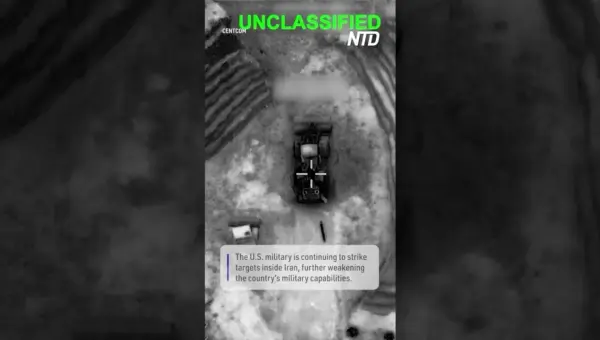
US Strikes Cripple Iran’s Military Might, CENTCOM Reports
U.S. Central Command reports ongoing strikes inside Iran are significantly weakening its military power. This direct action aims to reshape regional security dynamics, but carries risks of escalation. The long-term impact depends on Iran's response and ability to adapt.


Iran Targets US With Cyberattacks, Escalating Digital Warfare
Iran is increasingly using cyberattacks to challenge the U.S., as seen in a recent hack of the FBI director's account. Experts say this is a strategic shift due to Iran's limitations in conventional warfare. The U.S. needs to strengthen its digital defenses, focusing on encryption and cloud computing, rather than solely relying on traditional security measures.

Iran Hacks FBI Chief, Exposing U.S. Cyber Vulnerabilities
A recent hack of FBI Director Kash Patel's personal email by an Iran-linked group highlights Iran's growing cyber threat to the U.S. Experts explain how simple security oversights are exploited, emphasizing the need for basic defenses like two-factor authentication to protect against propaganda and potential infrastructure attacks.