Trump Warns Iran: War’s End Nears Amid Escalating Strikes
President Trump announced that the end of the conflict with Iran is near, even as he warned of intensified bombing campaigns. He cited completed U.S. military objectives and Iran's nuclear ambitions as reasons for the action. The President also addressed concerns about gas prices, blaming Iran for disruptions.

Trump Warns Iran: War’s End Nears Amid Escalating Strikes
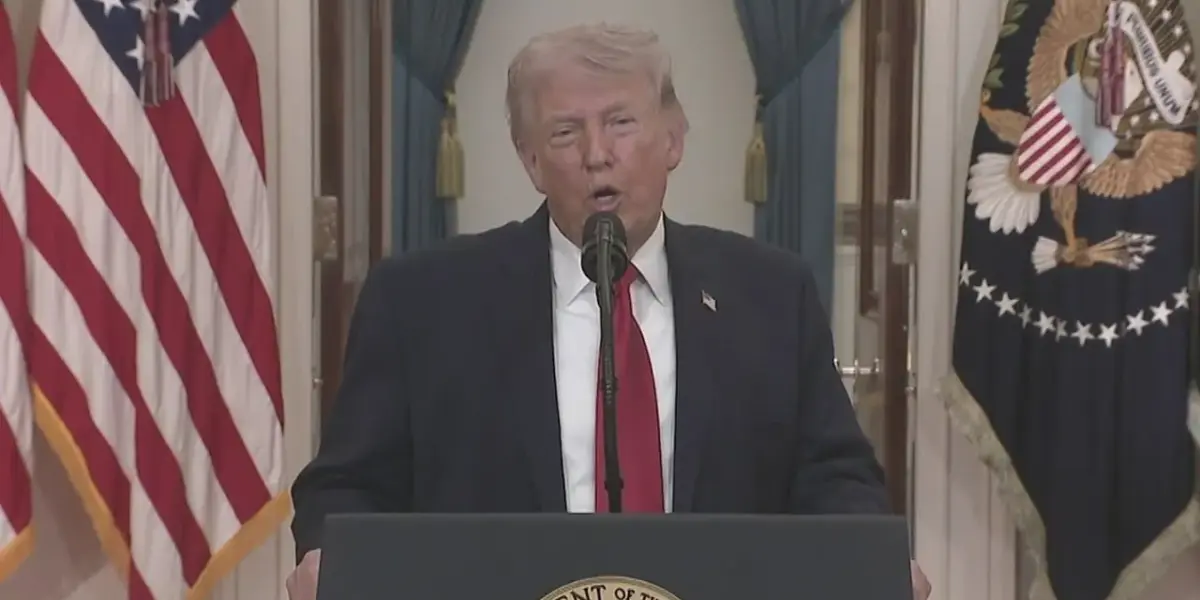
President Trump addressed the nation, stating that an end to the conflict with Iran is within reach. He declared that America’s military objectives in the Middle East are nearly complete. However, he also warned of intensified bombing campaigns against Iran in the coming weeks. This direct message aimed to reassure Americans while sending a strong signal to Tehran.
US Objectives and Intensified Action
In a nearly 20-minute prime-time speech, President Trump asserted that U.S. goals in the region were almost met. Despite this, he announced plans for a significant increase in military action. “We are going to hit them extremely hard over the next two to three weeks,” Trump stated. He added, “We’re going to bring them back to the Stone Age is where they belong.” This suggests a strategy of overwhelming force to compel Iran’s compliance.
Nuclear Concerns and Military Strikes
The President also voiced concerns about Iran’s nuclear ambitions. He claimed that Tehran was close to developing nuclear weapons capable of threatening the United States. Trump highlighted the destruction of Iranian missile sites, stating, “We took him out. We took a mole.” He suggested that Iran possessed weapons previously unknown and that U.S. actions had neutralized them. These strikes appear aimed at disrupting Iran’s military capabilities and nuclear program.
Economic Impact and Energy Security
President Trump addressed the economic concerns of Americans, particularly rising gas prices. He blamed Iran for disrupting oil flow through the Strait of Hormuz. The President urged European nations, which rely on Middle Eastern oil, to increase their own energy production. He argued that the U.S. has sufficient oil supplies. Trump assured Americans that the current economic effects of the conflict are temporary. He predicted that once the conflict ends and the Strait of Hormuz reopens, gas prices would fall rapidly and stock prices would rise.
Diplomatic Signals and International Alliances
Notably, President Trump did not mention any potential ground operations in his speech. He also did not explicitly discuss NATO, despite earlier suggestions that he might consider withdrawing the U.S. from the alliance. President Trump is scheduled to meet with NATO’s Secretary General at the White House soon. This meeting could provide insight into the future of U.S. involvement with the European security alliance.
Iran’s Response and Counter-Narrative
Hours before Trump’s address, Iran’s President sent a letter to the American people. In it, he described Iran as not being a threat. He labeled the United States as the aggressor. The Iranian President warned that continuing on a path of confrontation would be more costly and fruitless than ever. This direct communication aimed to counter the U.S. narrative and appeal to American citizens.
Global Impact and Shifting Dynamics
President Trump’s dual message of impending resolution and intensified military action signals a critical juncture in U.S.-Iran relations. The strategy appears to be a high-stakes gamble, aiming to force Iran to the negotiating table through severe pressure. The emphasis on economic consequences, particularly oil prices, highlights the interconnectedness of global energy markets and the impact of regional conflicts on international economies. By calling on European allies to shoulder more responsibility for energy security, Trump is also testing the strength of transatlantic partnerships.
Historical Context and Precedents
The current tensions echo historical patterns of U.S. involvement in the Middle East. Decades of complex relations with Iran, including the 1953 coup and the 1979 revolution, have shaped current animosities. Past U.S. administrations have employed various strategies, from sanctions to direct military engagement, to influence Iran’s behavior. Trump’s approach, combining aggressive military threats with a stated desire for a swift end to conflict, represents a distinct, albeit familiar, diplomatic tactic.
Economic Leverage and Resource Control
The Strait of Hormuz is a vital chokepoint for global oil shipments, making its control a significant economic lever. Iran’s ability to threaten this passage gives it considerable leverage. The U.S. strategy aims to neutralize this threat while simultaneously imposing economic pain through sanctions and military action. The success of this strategy depends on Iran’s economic resilience and its willingness to concede under pressure, as well as the global market’s reaction to potential supply disruptions.
Future Scenarios
Several outcomes are possible. Iran could de-escalate and agree to negotiations, leading to a swift reduction in tensions. Alternatively, Iran might retaliate, potentially drawing the U.S. into a wider conflict. A prolonged period of intense strikes without a diplomatic breakthrough could also occur, causing significant economic damage and regional instability. The U.S. decision regarding NATO commitments also adds another layer of uncertainty to the broader geopolitical landscape.
Source: Trump addresses nation on Iran: End to war 'getting very close' | Morning in America (YouTube)

Related Articles

Attorney: Bondi’s Loyalty Was to Trump, Not Victims
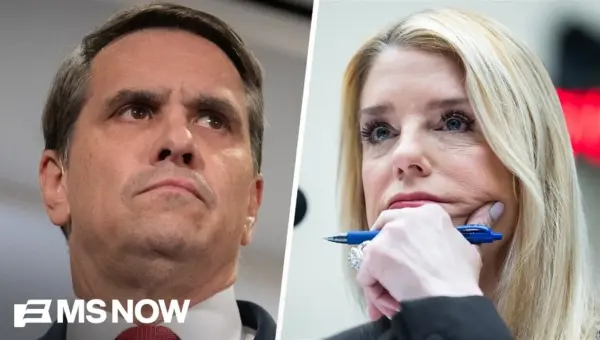
An attorney for Jeffrey Epstein survivors criticizes a recently ousted official, alleging her loyalty was to Donald Trump, not the victims or the public. Spencer Kuvin calls for testimony under oath regarding federal law violations and unanswered questions about surveillance footage from Epstein's homes. Concerns are also raised about the interim replacement's past dealings with Ghislaine Maxwell.

Trump Fires AG Bondi, Iran Tensions Rise, Artemis II Heads to Moon
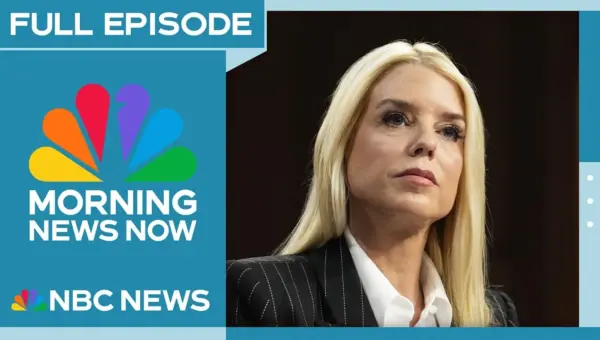
Attorney General Pam Bondi has been fired by President Trump, with Deputy AG Todd Blanche stepping in as acting AG. Amidst rising oil prices and escalating tensions, the U.S. warns Iran as the Artemis II mission successfully heads towards the Moon. Golfer Tiger Woods was arrested for DUI and is stepping away for treatment.
China’s Global Reach Faces Setbacks Amidst Internal Turmoil
China's international influence is facing growing opposition and internal challenges. From strategic island disputes and diplomatic overtures towards Taiwan to domestic unrest and technological failures, Beijing's global ambitions are encountering significant setbacks. These events signal a complex geopolitical landscape where China's power is being tested on multiple fronts.