Trump Warns Iran of ’20 Times Harder’ Attack Over Oil Blockade
President Trump has issued a severe warning to Iran, threatening retaliation "twenty times harder" if oil exports are blocked from the Middle East. This escalation follows Iran's reported threat of a total blockade of the Strait of Hormuz, a critical global energy chokepoint. The potential disruption could significantly impact global oil prices and economies, with business leaders expressing concerns over rising fuel costs and inflation.

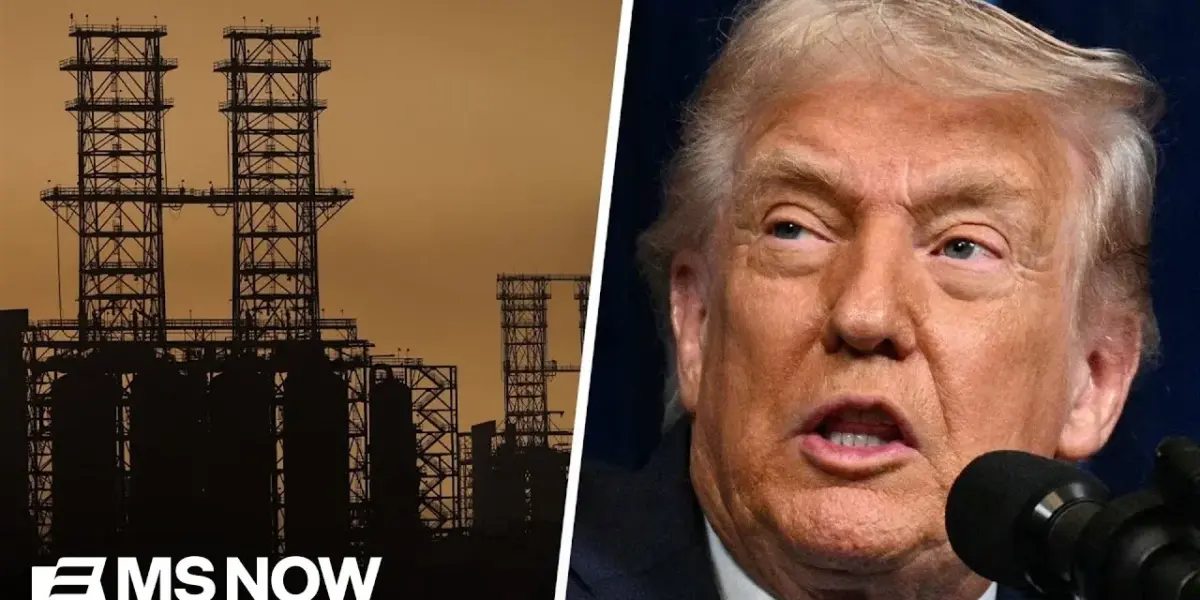
Trump Escalates Tensions, Threatens Severe Retaliation Against Iran Over Oil Exports
In a dramatic escalation of rhetoric, President Donald Trump has issued a stark warning to Iran, threatening a military response “twenty times harder” than any previous action should Tehran attempt to block oil exports from the Middle East. The statement comes amid heightened tensions and ongoing attacks that have disrupted global energy markets, with Iran reportedly threatening a total blockade of oil shipments through the Strait of Hormuz.
Iran’s Blockade Threat and Global Oil Impact
The situation intensified dramatically in the last 24 hours as Iran reportedly began threatening a total blockade of the Strait of Hormuz, vowing to prevent any oil from leaving the region. This declaration, if enacted, could have significant repercussions for the global economy, given that approximately 20% of the world’s oil and liquified natural gas passes through this critical chokepoint. The potential disruption disproportionately affects Europe and Asia, which rely more heavily on these imports than the United States, though global price impacts are felt universally.
The transcript highlights the critical nature of the Strait of Hormuz, emphasizing that its closure would lead to a significant reduction in global oil supply. Even with the United States currently holding a record production level of approximately 13.7 million barrels per day, becoming the world’s largest oil producer, a disruption at Hormuz would still exert considerable upward pressure on global oil prices. This, in turn, directly impacts consumers worldwide, hitting everyone’s wallets.
Damage to Infrastructure and Repair Challenges
Beyond the immediate threat of a blockade, there are reports of damage to oil infrastructure. Saudi Aramco has indicated that sustained attacks could make repairs to damaged facilities difficult in the short run. The duration of the conflict, therefore, emerges as a key factor determining the price of oil and the speed at which affected facilities can resume operations. The ability to quickly bring damaged infrastructure back online will be crucial in mitigating the economic fallout.
The Role of Rhetoric in Market Volatility
President Trump’s strong pronouncements represent a significant verbal escalation in the ongoing conflict. His direct threat via social media – stating that if Iran “does anything that stops the flow of oil within the Strait of Hormuz, they will be hit by the United States of America twenty times harder than they’ve been hit thus far” – introduces a new layer of volatility. However, questions remain about the effectiveness of such threats in calming volatile markets.
The market’s reaction to previous statements has been mixed. For instance, a statement suggesting the war was coming to an end was initially perceived positively. Yet, the persistent flow of commentary, even when it differs from the reality on the ground, can create uncertainty. Market sentiment is likely to shift based on tangible de-escalation, such as ships resuming movement through the strait or a demonstrable reduction in Iran’s capacity to engage in conflict, rather than solely on presidential threats.
“It seems the market really took the president’s word two days ago… that the war is coming to an end. We’ve heard that from other government officials in other countries as well. But I think just the constant flow of commentary may differ with reality on the ground.”
The transcript suggests that market stability hinges on observable de-escalation. If ships begin to move freely through the Strait of Hormuz, or if Iran’s military capabilities are perceived to be diminished, markets may favor these realities over aggressive rhetoric.
Business Leaders Voice Concerns Over Economic Impact
The economic ramifications of the escalating tensions are not lost on the business community. Leaders are reportedly engaging with the White House to convey their concerns. The CEO of United Airlines, for example, has pointed to potential increases in jet fuel prices, which would inevitably lead to higher airfares. This demonstrates a direct link between geopolitical instability in the Middle East and the daily costs faced by consumers and businesses.
The transcript underscores the broader economic challenges facing Americans, including the rising costs of groceries, health insurance, and childcare. Adding significantly to the cost of gasoline, potentially more than 60 cents per gallon, exacerbates these existing affordability issues, particularly for middle and lower-income households who depend on affordable fuel for commuting. This inflationary pressure could also influence the Federal Reserve’s decisions regarding interest rate cuts later in the year.
The confluence of these factors – potential oil supply disruptions, damage to infrastructure, escalating rhetoric, and the direct economic impact on consumers and businesses – paints a complex picture of the current geopolitical landscape. The coming days and weeks will be critical in determining whether de-escalation efforts prevail or if the conflict further destabilizes global energy markets and economies.
Looking Ahead: De-escalation or Further Conflict?
The immediate focus will be on whether Iran follows through on its threats to blockade the Strait of Hormuz and how the United States responds. The market’s reaction will be closely watched, with investors seeking clear signs of de-escalation. The ongoing dialogue between business leaders and the White House may also play a role in shaping policy decisions. The world will be observing to see if diplomatic channels can be leveraged to avert a wider conflict and stabilize energy prices, or if the current trajectory leads to further confrontation and economic hardship.
Source: Trump threatens to hit Iran 'twenty times harder' if oil exports stop (YouTube)

Related Articles

Iran Leader’s Hostility: ‘Ideological, Not Tactical,’ Says Ex-Prisoner
A former Iranian political prisoner and scholar argues that the regime's hostility towards the U.S. is ideological, not tactical. Kian Tajbakhsh believes the leadership transition will bring continuity in both external antagonism and internal repression. He also discusses the limited influence of external powers on Iran's internal politics and what might be needed to foster change.

Trump’s Iran Policy Aids Russia, Hurts Europe, Expert Warns
A leading Russian finance expert warns that President Trump's actions regarding Iran and Russia are a "gift" to Vladimir Putin, enabling Moscow's war in Ukraine while harming Europe's energy security. The expert suggests Trump's policies prioritize business over geopolitical stability.


Oil Surges Towards $150 Amid Escalating Iran Conflict
Escalating tensions involving Iran and the effective closure of the Strait of Hormuz are fueling fears of oil supply disruptions and potential price surges towards $150 per barrel. While some analysts predict dire consequences, options market data suggests a less extreme outlook. Geopolitical risks continue to dominate market sentiment, though some economic indicators point to underlying resilience.