Trump Warns China: 50% Tariffs Loom for Iran Arms Support
President Trump has threatened China with 50% tariffs if it supplies weapons to Iran, citing U.S. intelligence reports of impending air defense system shipments. This move could severely impact U.S.-China relations, especially with a high-level meeting scheduled for May. The situation underscores China's complex role in balancing regional stability with its economic interests.

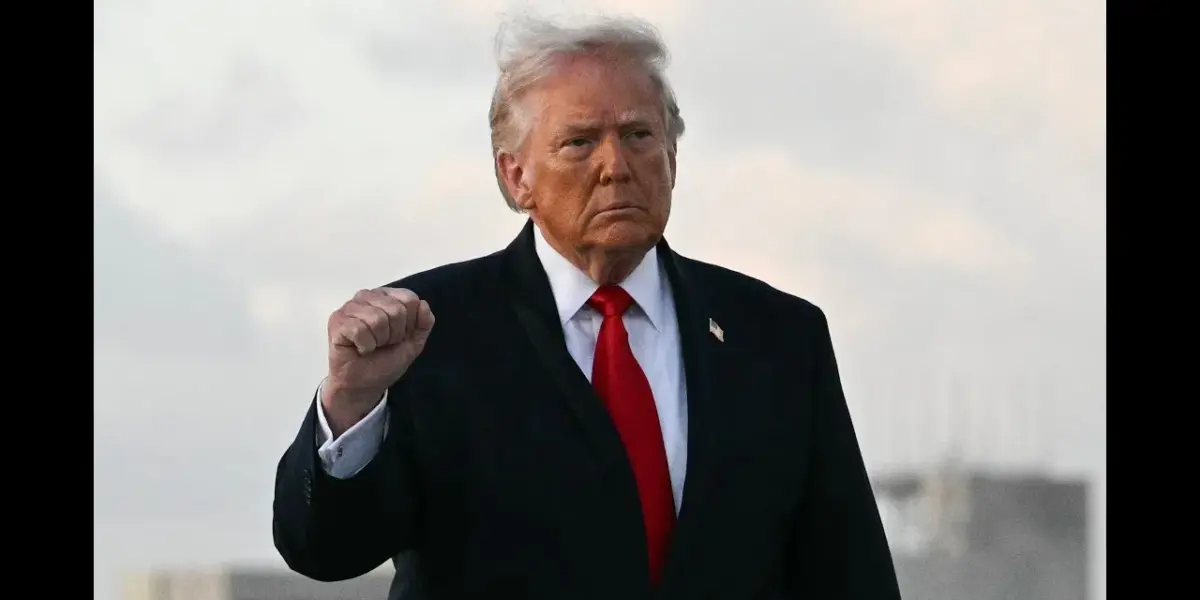
Trump Threatens China with Massive Tariffs Over Iran Arms
President Trump has issued a stern warning to China, threatening a staggering 50% tariff if the country is caught supplying weapons to Iran. This bold declaration came during an interview on Fox News Sunday, amid growing concerns over potential Chinese military aid to Tehran. The comments follow stalled peace talks between the U.S. and Iran, highlighting escalating tensions.
Intelligence Reports Point to Arms Shipments
Sources within the U.S. intelligence community, as reported by CNN, suggest China is preparing to send new air defense systems to Iran in the coming weeks. This development is particularly noteworthy because it comes despite earlier reports indicating Beijing’s efforts to help broker a ceasefire. The intelligence indicates the shipment includes shoulder-fired anti-aircraft missiles, often called MANPADS. Iran has used similar Chinese-made weapons against U.S. aircraft before as part of its defense strategy.
“Any confirmed support would trigger a 50% tariff,” President Trump stated, specifically targeting Beijing’s actions.
While President Trump expressed some doubt about the accuracy of these reports and whether Beijing would proceed, U.S. intelligence assessments align with these concerns. It remains unclear if Chinese-made equipment was used to bring down a U.S. F-15 fighter jet last week, though Iran claims it used a newly deployed air defense system. President Trump believes the aircraft was hit by a shoulder-fired missile.
China’s Balancing Act: Oil vs. Confrontation
Adding another layer to this complex situation, U.S. intelligence suggests China may try to hide the origin of these supplies by sending them through other countries. Beijing might also argue that these systems are defensive in nature, while publicly maintaining a neutral position. This strategy comes as China heavily relies on Iranian oil, making Iran a crucial energy partner. Analysts believe Beijing is trying to balance its support for Iran with the need to avoid a direct conflict with Washington.
Future Relations Hang in the Balance
The timing of these threats is significant. President Trump is scheduled to meet with Chinese President Xi Jinping in May. Analysts warn that any confirmed Chinese support for Iran could severely damage the relationship between the two global powers. Ironically, just hours before the ceasefire talks, a New York Times report highlighted Beijing’s role in a last-minute push for peace. President Trump himself acknowledged China’s mediation efforts, even as analysts point out the critical importance of the Strait of Hormuz to China’s economy.
Why This Matters
This situation highlights the delicate geopolitical balancing act many nations are forced to perform. China finds itself in a difficult position, needing Iranian oil but also wanting to avoid severe economic penalties from the United States. The threat of 50% tariffs is a significant escalation, showing how seriously the U.S. views potential arms sales to Iran, especially concerning advanced air defense systems. Such sales could destabilize the region further and complicate ongoing efforts to de-escalate tensions.
Historical Context and Future Outlook
The U.S. has long sought to limit Iran’s military capabilities and influence, particularly in the wake of past conflicts and ongoing regional instability. Iran, in turn, has looked to various international partners for military equipment. China, as a major global power with its own economic and strategic interests, often navigates a path between supporting its partners and maintaining economic ties with the West. The current situation suggests that this balancing act is becoming increasingly difficult. If confirmed, Chinese arms sales to Iran could lead to significant economic repercussions for China and further strain U.S.-China relations, potentially impacting global trade and security alliances. The upcoming meeting between Presidents Trump and Xi will be a critical moment to watch for signs of de-escalation or further confrontation.
Source: Trump: 50 Percent Tariffs on China If It Is Caught Supplying Weapons to Iran (YouTube)

Related Articles

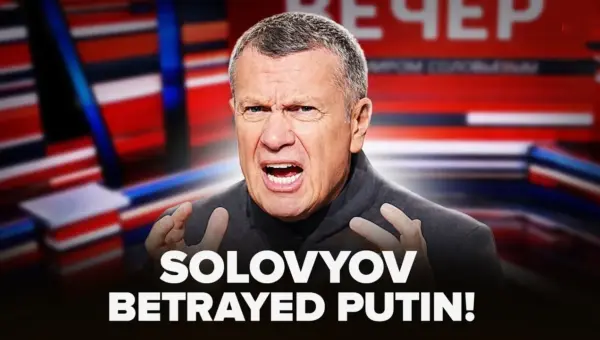
Ukraine Strikes Deep; Russian State TV Rages
Ukrainian drones are increasingly striking deep inside Russia, hitting vital oil infrastructure over 1,000 kilometers away. This escalates battlefield reality, met with furious rhetoric on Russian state TV, where commentators like Vladimir Solovyov shift from threats to frustrated demands for action.
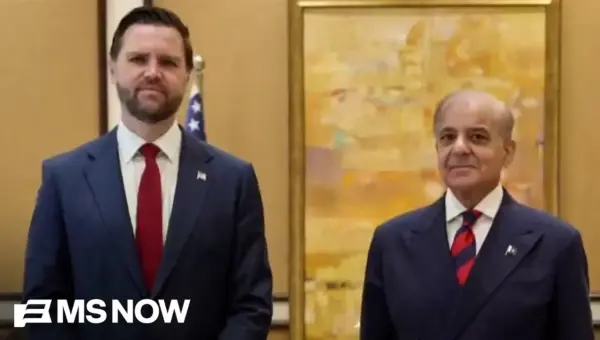
Oil Prices Soar Past $100 After US Announces Iranian Port Blockade
Global oil prices surged past $100 a barrel following a U.S. Navy announcement of a blockade on Iranian ports. The move comes after 21 hours of stalled negotiations, with experts questioning the effectiveness of the U.S. strategy. The standoff raises concerns about economic stability and potential international repercussions.
Iran Oil Blockade Tightens, Shifting Global Energy Markets
A stringent blockade on Iran's oil sales is tightening, significantly impacting global energy markets and exerting economic pressure on Tehran. The move, led by the U.S., aims to curb Iran's nuclear ambitions and regional influence, while also sparking debate about international alliances and energy independence.