Trump Vows to Influence Iran’s Next Leader Selection
President Donald Trump has declared his intention to be actively involved in selecting Iran's next leader, a move signaling a significant escalation of US foreign policy in the Middle East. This unprecedented assertion could dramatically alter regional dynamics and international relations.

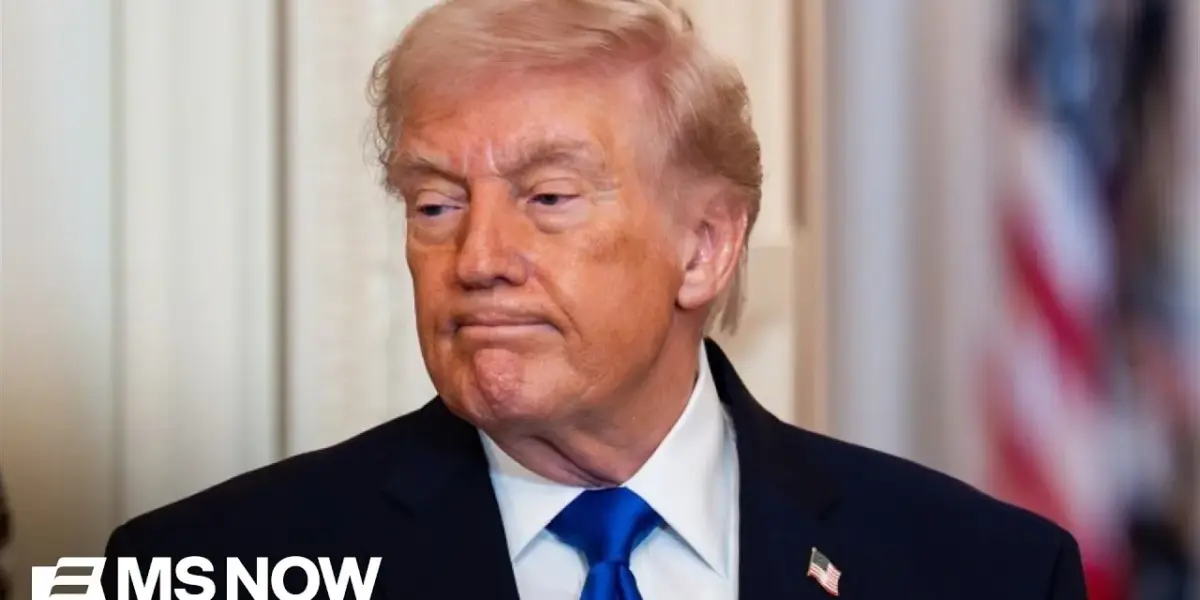
Trump Declares Intent to Shape Iran’s Leadership
In a striking declaration that signals a significant escalation of American involvement in Iranian affairs, President Donald Trump has stated his intention to be actively involved in the selection process of the next leader of Iran. The remarks, made in an interview with Axios, underscore a bold foreign policy stance that could dramatically alter regional dynamics and international relations.
A New Era of US Intervention in Iran?
President Trump’s assertion that “I have to be involved” in choosing Iran’s future leadership represents a departure from traditional diplomatic norms. While the United States has long sought to influence Iran’s policies and actions, direct intervention in the internal leadership selection process is an unprecedented move. This statement suggests a strategy aimed at installing a regime more amenable to American interests, potentially leading to a significant shift in the geopolitical landscape of the Middle East.
The implications of such a policy are far-reaching. It could embolden anti-regime elements within Iran, while simultaneously drawing sharp condemnation from the current Iranian government and its allies. The international community will be closely watching to see how this declaration translates into concrete actions and what kind of response it elicits from Tehran and its regional partners.
Expert Analysis on the Geopolitical Implications
Retired Brigadier General Mark Kimmitt, speaking with Chris Jansing, offered analysis on the conflict and the potential ramifications of Trump’s statement. While specific details of Kimmitt’s analysis were not fully detailed in the provided transcript excerpt, his involvement suggests a focus on the strategic and security aspects of this assertive U.S. policy towards Iran. Such interventions, historically, have been complex and often fraught with unintended consequences, potentially leading to increased regional instability or unexpected alliances.
The decision to involve the U.S. in selecting Iran’s next leader could be interpreted as a move to counter Iran’s regional influence, particularly its support for various proxy groups and its nuclear program. However, critics might argue that such a policy could be seen as overreach, potentially fueling anti-American sentiment within Iran and beyond, and could lead to a protracted period of heightened tensions or even direct confrontation.
Broader Context: US-Iran Relations
The United States and Iran have a long and complex history, marked by periods of intense hostility and proxy conflicts since the 1979 Islamic Revolution. The Trump administration, in particular, adopted a “maximum pressure” campaign against Iran, withdrawing from the Joint Comprehensive Plan of Action (JCPOA) nuclear deal and imposing stringent economic sanctions. This new declaration appears to be a continuation and perhaps an intensification of that policy, aiming to cripple the current regime and reshape Iran’s future leadership.
This strategy is likely aimed at achieving several key objectives for the U.S.:
- Dismantling Iran’s nuclear program.
- Curbing Iran’s ballistic missile development.
- Reducing Iran’s influence in regional conflicts (e.g., Syria, Yemen, Iraq).
- Supporting internal dissent and potential regime change.
International Reactions and Future Outlook
The international community’s reaction to President Trump’s statement is expected to be varied. Allies in the Middle East, such as Israel, might view this as a positive development, aligning with their own security concerns regarding Iran. However, European allies, who have sought to preserve the JCPOA and maintain diplomatic channels, may express concern over the potential for escalation and the erosion of established international agreements.
The Iranian government is almost certain to react with strong condemnation, viewing such statements as a direct assault on its sovereignty. This could lead to increased assertiveness from Tehran, potentially impacting global oil markets, maritime security in the Persian Gulf, and ongoing efforts to resolve regional conflicts. The coming weeks and months will be crucial in observing how the U.S. implements this stated intention and how regional and global powers respond. The potential for miscalculation or unintended escalation remains a significant concern as the situation evolves.
Ines de La Cuetara, reporting from Jerusalem, is likely to provide further insights into the regional perspective and the on-the-ground implications of these developments. The strategic calculus of President Trump’s administration in seeking to directly influence Iran’s internal political future marks a pivotal moment, the full consequences of which are yet to unfold.
Source: Trump tells Axios: 'I have to be involved' in picking next Iran leader (YouTube)

Related Articles
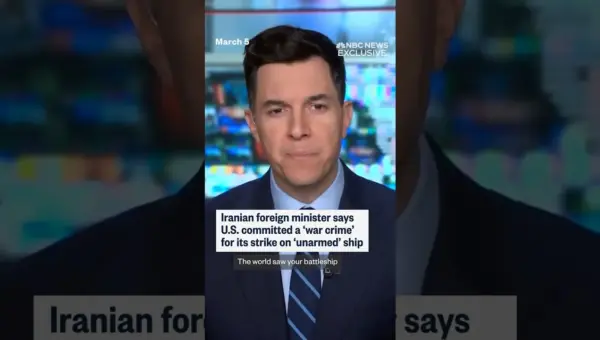
Iran Calls US Ship Strike ‘War Crime’, Vows Retribution
Iran's Foreign Minister has declared the U.S. strike on an unarmed navy training ship in the Indian Ocean a "war crime." The attack, which killed dozens of sailors, prompts Iran to vow that the U.S. will "bitterly regret" its actions.
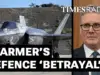
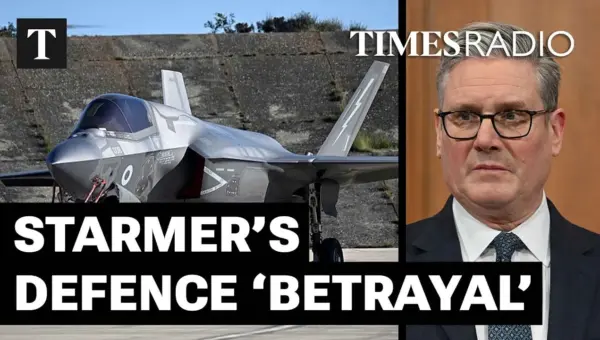
UK “Pathetic” Defense “Betrayal” Amidst War “Gray Zone”
Renowned historian Sir Antony Beevor warns the UK is in a "gray zone of warfare" and "pathetic" defense posture, calling current policy a "betrayal." He criticizes the government's focus on welfare over defense, stating the nation could face war within two years unprepared.


Trump’s Iran Regime Change: Legal or Not?
The legality of President Trump's pursuit of regime change in Iran is under scrutiny. International law, particularly the UN Charter, strictly prohibits the use of force against another state's territorial integrity or political independence, with limited exceptions for UN Security Council authorization or self-defense.