Trump Vows to Block Bills Until Border Security Act Passes
Former President Donald Trump has stated he will not sign any bills until the Safeguard American Voter Eligibility (SAVE) Act is passed. This demand places a significant condition on future legislative actions and highlights Trump's focus on election integrity and border security.

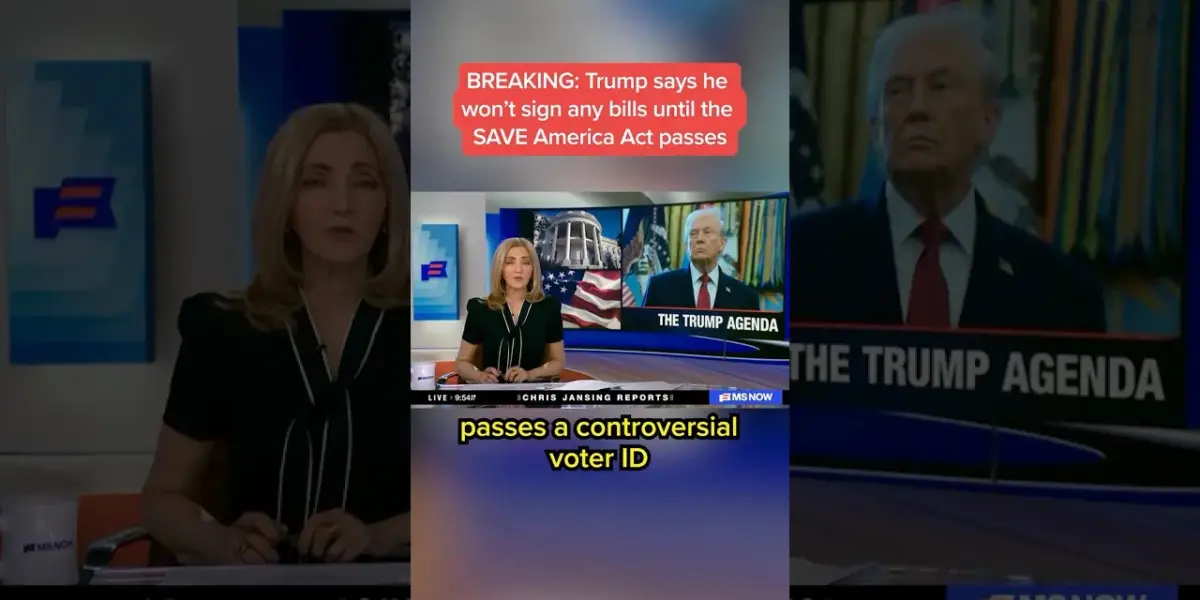
Trump Demands Border Security Bill Passage Before Signing Legislation
Former President Donald Trump has declared he will not sign any bills presented to him unless Congress first passes the Safeguard American Voter Eligibility (SAVE) Act. This assertion, made recently, signals a significant potential hurdle for any future legislative efforts that might reach his desk, should he return to office or wield influence over the legislative process. The SAVE Act, a key legislative priority for Trump and his allies, focuses on stringent voter eligibility requirements, which they argue are essential for election integrity.
The SAVE Act: A Core Tenet of Trump’s Agenda
The Safeguard American Voter Eligibility Act, commonly referred to as the SAVE Act, is designed to address concerns about voter fraud and election security. Proponents of the bill argue that it is necessary to ensure that only eligible citizens can vote in federal elections. While specific details of the bill were not elaborated upon in the initial announcement, its core objective revolves around strengthening existing voter verification processes and potentially introducing new measures to confirm citizenship and residency status.
The demand for its passage underscores a central theme of Trump’s political platform, which has consistently highlighted election integrity and border security as paramount issues. By linking his signature on any future legislation to the passage of the SAVE Act, Trump is leveraging his influence to elevate this specific policy to the forefront of the national political agenda.
Potential Legislative Gridlock and Political Ramifications
Trump’s statement carries significant implications for the future of legislation. If he were to regain the presidency, this declaration could lead to a substantial slowdown or complete halt in the legislative process, particularly if his party controls Congress. Any bill passed by the House and Senate that requires the president’s signature would face an immediate roadblock if it did not align with Trump’s demand for the SAVE Act’s passage.
This move could also serve as a powerful bargaining chip in political negotiations. By setting a non-negotiable condition, Trump aims to force lawmakers to prioritize the SAVE Act, potentially swaying votes and influencing the legislative calendar. It reflects a strategy of using executive or presidential power as leverage to achieve specific policy outcomes, a tactic that has characterized much of his political career.
Broader Context: Election Integrity and Immigration Debates
The push for the SAVE Act is situated within a broader national conversation surrounding election integrity and immigration. Following the 2020 election, claims of widespread fraud, though largely unsubstantiated by courts and election officials, fueled a movement advocating for stricter voting laws. Simultaneously, debates over border security and immigration policy have intensified, with many conservatives calling for more robust measures to control illegal immigration.
The SAVE Act appears to be an attempt to bridge these two concerns, linking the perceived vulnerabilities in the electoral system to immigration issues. Critics, however, argue that such measures could disenfranchise eligible voters, particularly minority groups and young people, who may face greater challenges in meeting potentially new documentation requirements. They also question the premise that widespread voter fraud, as alleged by proponents, is a significant threat to the electoral process.
A Strategic Move or Political Standoff?
Trump’s announcement positions the SAVE Act as a litmus test for legislative cooperation. It raises questions about whether this demand will galvanize support for the bill or lead to increased partisan opposition. The effectiveness of this strategy will depend on the political landscape at the time such bills are presented and the willingness of other political actors to concede to his demands.
For now, the declaration serves as a clear signal of Trump’s priorities and his willingness to use his influence to advance them. The coming months and years will reveal whether this ultimatum translates into tangible legislative action or becomes another chapter in the ongoing political debates surrounding election security and border policy.
Looking Ahead
The passage of the SAVE Act remains uncertain, as does the extent to which Trump’s vow will impact future legislative proceedings. As the political climate evolves, attention will be focused on whether any bills requiring a presidential signature are indeed presented and how Trump’s stance on the SAVE Act influences negotiations and legislative outcomes. The debate over voter eligibility and election security is likely to remain a prominent issue, with the SAVE Act serving as a focal point for these discussions.
Source: BREAKING: Trump says he won't sign any bills until the SAVE America Act passes (YouTube)

Related Articles
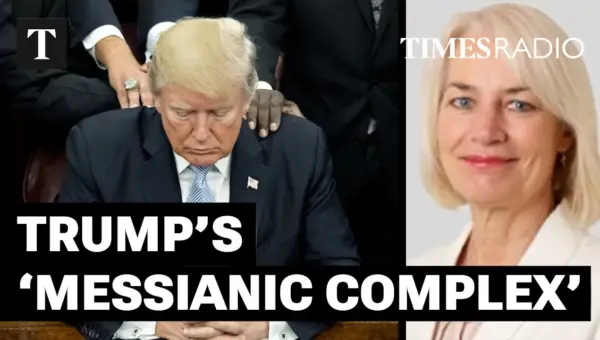
Trump’s ‘Messianic Complex’ Fuels Global Conflict, Analyst Says
Sarah Baxter, Director of the Marie Culvin Center for International Reporting, argues that Donald Trump's "messianic complex" is driving his foreign policy, potentially at the cost of domestic economic stability. The escalating conflict with Iran and rising oil prices have placed Vice President JD Vance in a difficult political position, fracturing the MAGA coalition and raising questions about future leadership within the Republican party.

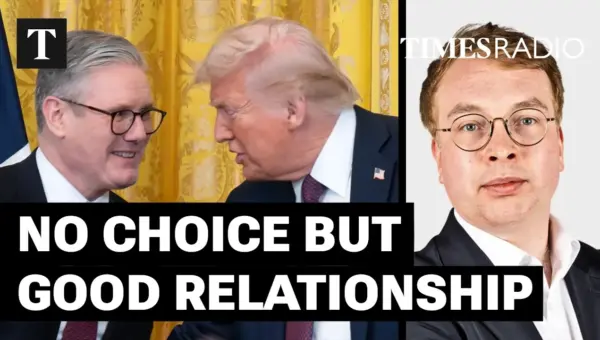
UK PM Must Court Trump Despite Party Backlash
British Prime Minister Keir Starmer faces a difficult balancing act, needing to maintain a crucial relationship with the US President despite domestic criticism. Rising global tensions and economic instability add further pressure, complicating the government's agenda and public finances.

GOP Faces Voter Anger Over Economy Ahead of Trump Rally
House Republicans are meeting amid growing voter anger over the economy, with former President Trump set to address the party. Analysts suggest economic anxieties could benefit Democrats, especially as polls show dissatisfaction with rising costs and market volatility.