Trump Voters Blame Biden for Gas Prices Amid Iran Tensions
Trump supporters in Florida are expressing frustration over rising gas prices, linking them to the current administration's policies and the conflict with Iran. Voters recall lower prices under the Trump administration and wish for the fulfillment of campaign promises regarding energy costs.


Florida Voters Express Discontent Over Fuel Costs
As geopolitical tensions escalate with Iran, a segment of former President Donald Trump’s supporters in Florida are voicing significant frustration over the rising cost of gasoline. The surge at the pump is being directly linked by these voters to the current administration’s policies, with many expressing a desire for a return to what they perceive as more stable and affordable energy times under Trump’s presidency.
Alex Tabet of MS NOW spoke with several Trump voters in Florida who articulated their concerns, highlighting a sentiment that current economic conditions, particularly at the gas station, are unacceptable. The prevailing mood among those interviewed is one of disappointment and a longing for what they remember as a more fiscally predictable era.
“I Miss My Uncle Joe”: A Call for Campaign Promise Fulfillment
One of the most striking sentiments captured was the direct appeal to President Biden, or as one voter colloquially referred to him, “Uncle Joe,” to address the escalating gas prices. The phrase “I miss my Uncle Joe” was uttered in a context that suggested a weariness with the current economic situation and a nostalgic view of past energy policies. This sentiment is underscored by a direct quote from a voter: “I just wish he would keep up on this campaign promise.” This statement implicitly refers to campaign promises made by the Biden administration regarding energy independence and potentially lower fuel costs, promises that voters feel are currently unmet.
The connection between the conflict with Iran and domestic gas prices is a point of contention. While global events often influence oil markets, these voters are drawing a direct line from perceived policy failures of the current administration to their personal financial burdens. The implication is that a different approach to foreign policy and energy production would have insulated American consumers from such price shocks.
Economic Anxiety Amidst Global Instability
The interviews in Florida reveal a deeper economic anxiety that is being exacerbated by international instability. For many families, the price of gasoline is not just an abstract economic indicator but a tangible daily expense that impacts household budgets significantly. The rising cost of fuel has ripple effects, contributing to inflation across a range of goods and services, from groceries to transportation costs for businesses.
Voters expressed a clear preference for energy policies that they believe prioritize domestic production and reduce reliance on foreign sources, particularly in volatile regions. The memory of lower gas prices during the Trump administration is frequently invoked as evidence that such policies are achievable and beneficial to the average American. This perspective suggests a belief that the current administration’s focus on renewable energy or its approach to international relations has inadvertently harmed the economy and the financial well-being of its citizens.
Broader Implications for the Midterms and Beyond
The sentiments expressed by these Trump voters in Florida could have significant implications for upcoming political cycles. Gas prices have historically been a potent issue in American politics, often influencing voter sentiment and election outcomes. The frustration over fuel costs, coupled with concerns about inflation and foreign policy, could translate into a significant challenge for the incumbent administration and the Democratic party.
The interviews highlight a critical disconnect between the administration’s messaging and the lived experiences of a significant portion of the electorate. While the administration may point to global factors and its long-term energy transition goals, voters struggling with immediate economic pressures are likely to prioritize tangible relief and perceived policy successes. The campaign promise mentioned by the voter underscores the importance of perceived accountability and the fulfillment of electoral pledges.
Looking Ahead: Energy Policy and Voter Sentiment
As the situation with Iran continues to unfold and its impact on global oil markets is monitored, the cost of gasoline at the pump will remain a key indicator of economic health and a significant factor in voter sentiment. The focus will be on whether the current administration can effectively address these concerns, either through diplomatic means that stabilize global energy supplies or through domestic policies that alleviate the financial burden on consumers. The upcoming political landscape will likely be shaped, in part, by how voters perceive the handling of these intertwined issues of energy, economy, and foreign policy.
Source: 'I miss my Uncle Joe': Trump voters react to rising gas prices amid Iran conflict (YouTube)

Related Articles


US Strikes Iran; Gas Prices Surge Amid Strait of Hormuz Tensions
U.S. forces have launched intensive strikes on Iranian ships near the Strait of Hormuz, escalating tensions and causing global oil prices to surge. President Trump issued a stern warning to Iran against disrupting shipping, while rising gas prices impact American drivers, farmers, and businesses. The conflict's duration and economic fallout remain key concerns.

US Escalates Strikes on Iran Amidst Rising Global Tensions
The U.S. launched intense new strikes on Iran, targeting vessels in the Strait of Hormuz and drawing a strong warning from President Trump. Global markets reacted with surging gas prices, impacting consumers and farmers. Separately, a fatal bus fire in Switzerland, a foiled terror plot in New York, and a former NFL player accused of murder using AI are also making headlines.
Trump’s Conflicting Iran War Messages Raise Doubts
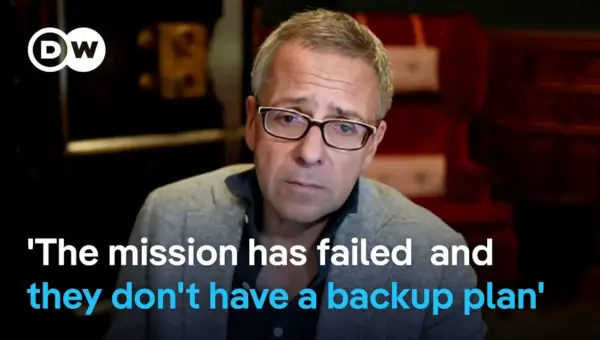
Former President Donald Trump has issued conflicting statements regarding the U.S. military campaign in Iran, oscillating between claims of rapid progress and hints of expanded operations. This mixed messaging raises questions about U.S. strategic aims and the potential duration of the conflict, prompting analysis from experts on regional stability.