Trump: US Oil Dominance Ends Need for Strait of Hormuz
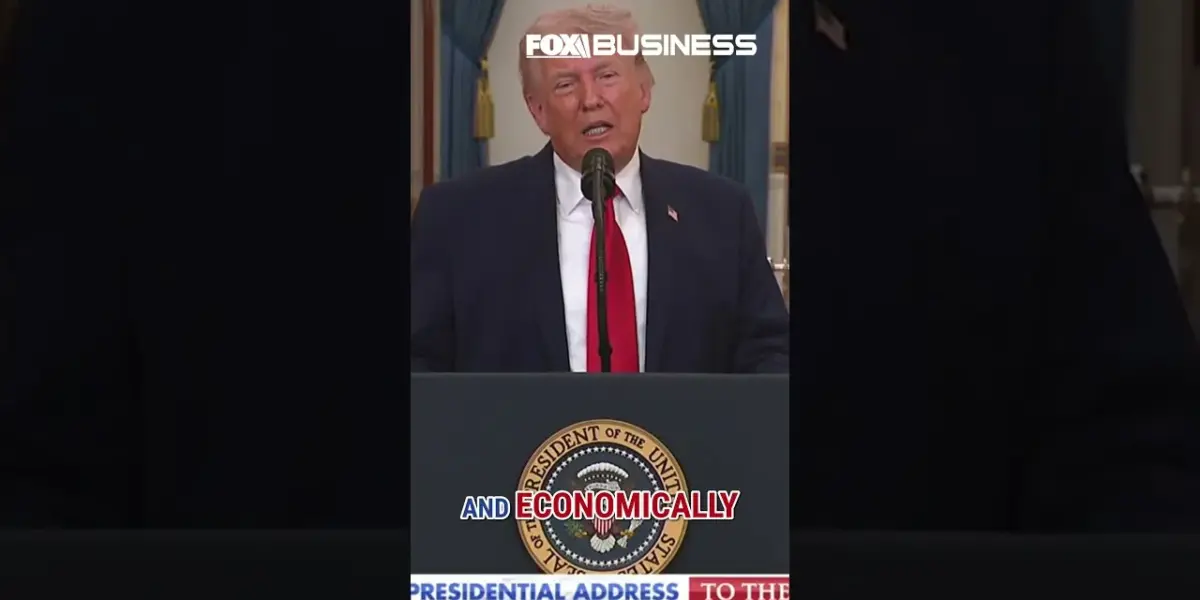
Former President Trump stated the U.S. no longer needs the Strait of Hormuz due to its massive oil production, which now exceeds that of Saudi Arabia and Russia combined. He urged allied nations to secure the passage themselves and suggested they buy U.S. oil instead.

US Energy Independence Boosts Global Oil Security
Former President Donald Trump recently asserted that the United States no longer needs to rely on the Strait of Hormuz for its oil supply, citing the nation’s surge in domestic oil and gas production. This shift in energy dynamics, driven by Trump administration policies, has positioned the U.S. as a leading global producer, surpassing combined output from Saudi Arabia and Russia. Trump emphasized that this production level is expected to climb even higher, securing America’s energy future.
Domestic Production Surges Past Global Rivals
The United States is now producing more oil and gas than Saudi Arabia and Russia combined. This significant increase in output is a key factor in the nation’s reduced reliance on international shipping lanes like the Strait of Hormuz. Trump highlighted this achievement, stating, “Think of that. Saudi Arabia and Russia combined.” He further predicted that this production number will soon be “substantially higher than that,” underscoring a long-term trend of American energy dominance.
Strait of Hormuz Becomes Less Critical for US Imports
The Strait of Hormuz is a vital waterway, but the U.S. imports very little oil through it, according to Trump. “The United States imports almost no oil through the Hormone Strait and won’t be taking any in the future. We don’t need it. We haven’t needed it and we don’t need it,” he stated. This means that disruptions in the Strait, a frequent concern for global oil markets, have a minimal direct impact on American consumers and the national economy. The U.S. has effectively insulated itself from potential supply chain issues in this critical region.
Iran’s Diminished Influence and Global Responsibility
Trump also commented on the weakened state of Iran, asserting that the U.S. has significantly degraded its military and economic power. “We’ve beaten and completely decimated Iran. They are decimated both militarily and economically and every other way,” he claimed. With Iran’s influence reduced, Trump suggested that countries that still depend on oil passing through the Strait of Hormuz should take primary responsibility for its security. He urged these nations to “take care of that passage. They must cherish it. They must grab it and cherish it.”
Call for Global Allies to Secure Oil Passages
The former president proposed that allied nations should lead the effort in protecting the Strait of Hormuz, a crucial chokepoint for global oil trade. While the U.S. would remain helpful, the primary responsibility should fall on those countries that heavily rely on the passage. This approach aims to distribute the burden of ensuring maritime security and maintaining stable oil flows. “We will be helpful, but they should take the lead in protecting the oil that they so desperately depend on,” Trump advised.
Suggestion for Energy-Importing Nations
For countries struggling to secure fuel, many of which have reportedly avoided direct involvement in actions against Iran, Trump offered a direct solution. He suggested that these nations should prioritize purchasing oil from the United States. “Number one, buy oil from the United States of America. We have plenty. We have so much,” he urged. This recommendation not only highlights U.S. production capacity but also offers a stable and abundant alternative for global energy consumers.
Market Impact and Investor Considerations
Trump’s statements underscore a significant shift in the global energy landscape. The U.S.’s growing role as a major oil producer reduces its vulnerability to geopolitical tensions in regions like the Middle East. For investors, this could mean greater stability in oil prices, less volatility driven by Middle Eastern conflicts, and increased opportunities in the domestic energy sector. However, global oil prices remain sensitive to supply and demand, as well as geopolitical events affecting other major producers and consumers. While the U.S. may be less directly impacted by Strait of Hormuz issues, the broader market will still react to any significant disruptions.
Long-Term Implications for Energy Markets
The long-term implications of increased U.S. oil production are substantial. It reinforces the nation’s energy independence and provides a buffer against international supply shocks. This could encourage further investment in U.S. energy infrastructure and technology. For global energy markets, it suggests a continued diversification of supply sources, potentially reducing the market’s dependence on a few key regions. Investors may need to monitor U.S. production levels, global demand trends, and the effectiveness of international energy security cooperation. The emphasis on domestic production also aligns with broader trends towards energy self-sufficiency among major economies.
Source: Trump insists US does not need Strait of Hormuz #shorts #news #trump #oil #iran (YouTube)

Related Articles

Iran Downs US Jet, Escalating Mideast Tensions
Iran has reportedly shot down a U.S. fighter jet, prompting immediate search and rescue operations for the downed airmen. This incident significantly escalates regional tensions and could alter ongoing U.S. military plans against Iran. The event highlights the volatile nature of the Middle East and the potential for miscalculation.

Trump Weighs War Exit Amid Iran Strikes and Internal Debate
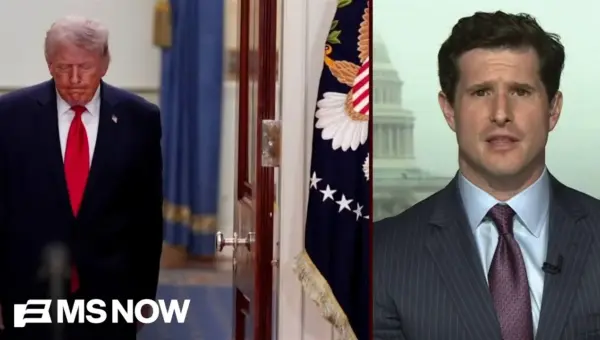
President Trump is reportedly facing internal debate over how to end the escalating conflict with Iran, according to a new Time Magazine report. While publicly vowing to increase strikes, privately Trump seeks an "off-ramp" to declare victory and avoid domestic backlash, even as advisors express surprise at Iran's retaliatory attacks.


US Pilot Feared Lost in Iran; Search Underway
The U.S. military is conducting a search operation inside Iran for an American pilot whose fighter jet may have been downed. Details are limited, with uncertainty over whether the plane was shot down or suffered mechanical failure. The operation highlights the complexities of rescue missions in hostile territory and occurs amid heightened regional tensions.