Trump Urges Putin to Focus on Ukraine Peace in Call
Former U.S. President Donald Trump spoke with Vladimir Putin, urging him to prioritize ending the Ukraine war. The conversation comes as the U.S. hints at lifting some Russian oil sanctions to combat rising global energy prices.

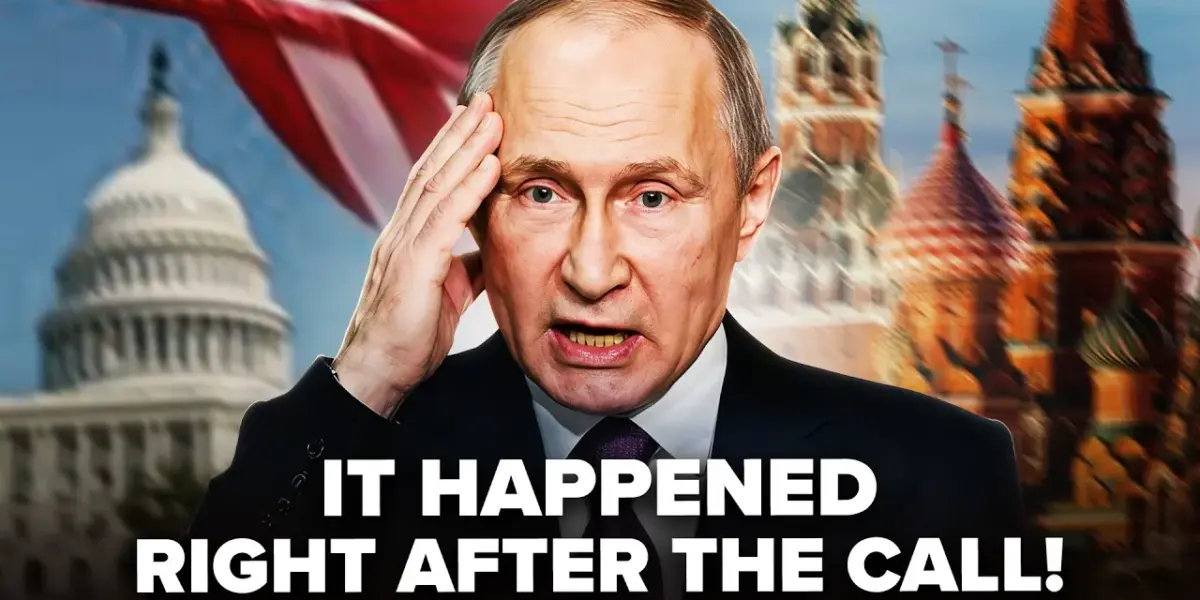
Trump and Putin Discuss Ukraine, Middle East in Phone Call
In a significant diplomatic development, former U.S. President Donald Trump revealed he recently held a phone conversation with Russian President Vladimir Putin. During the call, Trump stated he advised Putin to prioritize ending the ongoing conflict in Ukraine. The conversation, described by Trump as “good” and “very constructive,” also touched upon the escalating situation in the Middle East, where Putin reportedly offered assistance.
“We were talking about Ukraine, which is just a neverending fight. And uh when look, there’s tremendous hatred between President Putin and President Zelensky. They can’t seem to get it together. But I think it was a positive call on that subject. And we obviously talked then about the Middle East and uh he wants to be helpful. I said you could be more helpful by getting the Ukraine Russia war over with. That would be more helpful. But we had a very good talk and he wants to be very constructive.”
U.S. Hints at Easing Russian Oil Sanctions Amid Global Price Surge
The call between Trump and Putin occurred amidst shifting U.S. energy policy. President Trump announced plans to lift oil sanctions against “certain countries,” a move aimed at stabilizing global energy prices which have been under pressure. Earlier, the U.S. had permitted India to purchase Russian oil for a limited period due to the Middle East conflict. Trump suggested that some sanctions related to Russian oil could be permanently removed, expressing hope that such restrictions might not need to be reinstated if peace prevails.
“We’re also waving certain oil related sanctions to reduce prices. So, we have sanctions on some countries. We’re going to take those sanctions off till this straightens out. Then, who knows, maybe we won’t have to put them on. There’ll be so much peace,” Trump stated.
While Trump did not explicitly name the countries that could benefit from relaxed sanctions, reports from reporters and sources familiar with discussions suggest Russia was a primary focus. Reuters, citing sources, indicated that the Trump administration is contemplating a partial easing of sanctions on Russian oil. This potential plan could involve broader relief as well as targeted measures allowing specific nations, including India, to buy Russian oil without facing U.S. penalties. These considerations are reportedly being made to counteract sharp increases in energy prices driven by the conflict around Iran.
Russia Offers Energy Cooperation to Europe Amidst EU Divestment
In parallel to the U.S. discussions, Moscow has actively sought to leverage the rising oil prices. Russia has signaled its willingness to expand energy cooperation with Europe, with President Putin stating that Russia is ready to supply oil and gas to European countries if they engage in cooperation “without politics.”
“If European companies and European buyers suddenly decide to reorient themselves and provide us with long-term sustainable cooperation, free from political expediency, liberated from political maneuvering, then of course we have never refused and are ready to work with Europeans. But we need some signals from them that they are willing and also want to work and that they will provide us with the stability and sustainability,” Putin remarked.
This offer comes as the European Union continues its strategic move towards energy independence from Moscow, a plan outlined in the REPowerEU initiative following Russia’s full-scale invasion of Ukraine. The EU has implemented a phased ban on Russian energy imports, including a ban on short-term contracts for liquefied natural gas starting April 25th and pipeline gas from June 17th, with a complete ban on Russian gas imports by the end of 2027. However, Hungary and Slovakia have expressed reservations, advocating for continued purchases of cheaper Russian energy, contrary to the EU’s unified stance.
Hungary Deploys Troops Amidst Energy Security Concerns
Hungarian Prime Minister Viktor Orbán has actively pushed back against EU sanctions on Russian energy. Citing the “explosive” rise in crude oil prices due to the “Ukrainian oil blockade” and the Middle East war, Orbán called for a review and suspension of all sanctions on Russian energy. He initiated this plea in a letter to European Commission President Ursula von der Leyen.
Adding to the regional tension, Hungary has deployed troops to 75 energy sites over alleged threats of Ukrainian attacks. Prime Minister Orbán stated that soldiers would protect key infrastructure and prevent the price of diesel and petrol from reaching unbearable levels. The government’s decision, made on February 25th, also included a ban on drone flights in the border region. Orbán claimed that Ukraine is attempting to pressure Slovakia and Hungary and is preparing moves to disrupt Hungary’s energy system.
Orbán also reiterated his stance on Ukraine’s EU membership, stating that Hungary supports strengthening Ukraine primarily to act as a buffer between Russia and Hungary, thus enhancing Hungarian security without facilitating Ukraine’s entry into the EU. This firm position from Budapest has reportedly complicated EU decision-making, with Lithuanian President Gitanas Nausėda suggesting that Hungary’s pre-election period influences its resistance to EU sanctions packages.
Oil Prices Fluctuate Amid Geopolitical Uncertainty
Global oil prices experienced a sharp decline the day after a significant surge, driven by geopolitical fears. The market had initially reacted to escalating tensions, but expectations of a potential calming in the Middle East conflict, partly influenced by Trump’s statements regarding the war’s potential quick resolution, helped to soothe investor nerves. Despite the drop, prices remain elevated compared to pre-escalation levels.
As of March 10th, Brent crude was trading below $100 per barrel, falling 6.1% to $92.90 per barrel, according to Bloomberg. Even with this recent dip, prices have seen an increase of over 50% year-to-date. Analysts attribute the price volatility primarily to Trump’s comments suggesting a swift end to the conflict in the Middle East, which eased market anxieties.
What’s Next?
The coming weeks will be crucial in observing how these diplomatic exchanges translate into tangible policy shifts. Key areas to monitor include the actual implementation of any potential U.S. easing of sanctions on Russian oil, Europe’s response to Russia’s energy cooperation offer amidst its ongoing transition away from Russian gas, and Hungary’s continued influence on EU decision-making regarding sanctions. The trajectory of oil prices and the broader geopolitical landscape will also remain under intense scrutiny as global powers navigate complex energy and security challenges.
Source: 😱Urgent call from US shocks Kremlin! Panic in Moscow. What Putin was told (YouTube)

Related Articles
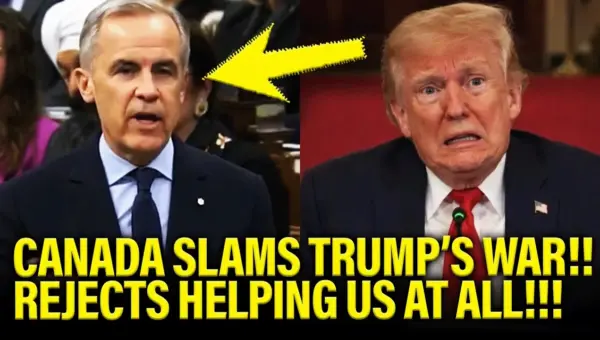
Canada Rejects Trump’s Iran War, Fortifies Against US Aggression
Canada publicly rebukes the US over its Iran offensive, declaring it will "never participate." Simultaneously, Canada invests heavily in drone technology and strengthens international alliances, signaling a move towards greater sovereignty and a rejection of perceived US aggression under the Trump administration.
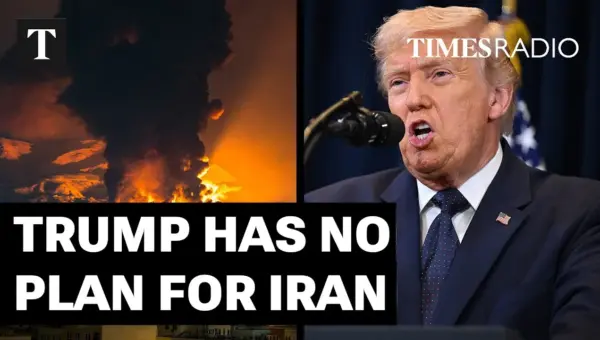
Trump’s Iran ‘Video Game’ Tactics Spark War Concerns
Historian Sir Simon Schama criticizes President Trump's Iran strategy, likening it to a "video game" with no clear plan. The US has destroyed Iranian mine-laying ships amid conflicting signals from the President, raising concerns about repeating past intervention failures.
EU Chief Urges End to Russian Fossil Fuels Amid Price Surge
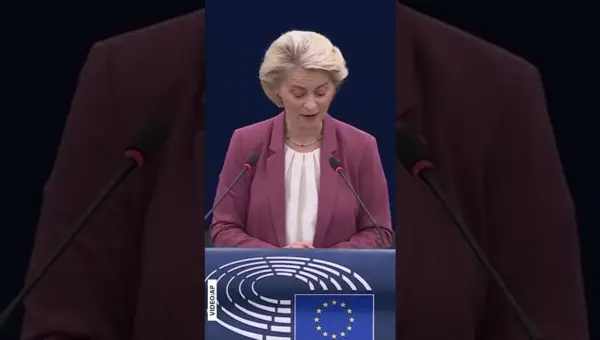
European Commission President Ursula von der Leyen urged EU leaders to immediately pivot away from Russian fossil fuels, citing a €3 billion increase in import costs over 10 days. She warned that returning to Russian energy would be a 'strategic blunder' and stressed the importance of homegrown renewables and nuclear power for long-term security.