Trump Urges Lawsuit, Ignites Culture War Firestorm
Donald Trump's call for Erica Kirk to sue comedian Drewinski over a viral skit has intensified a debate about satire, free speech, and political hypocrisy. The situation highlights the polarized nature of online discourse and the power of public figures to shape cultural conflicts.

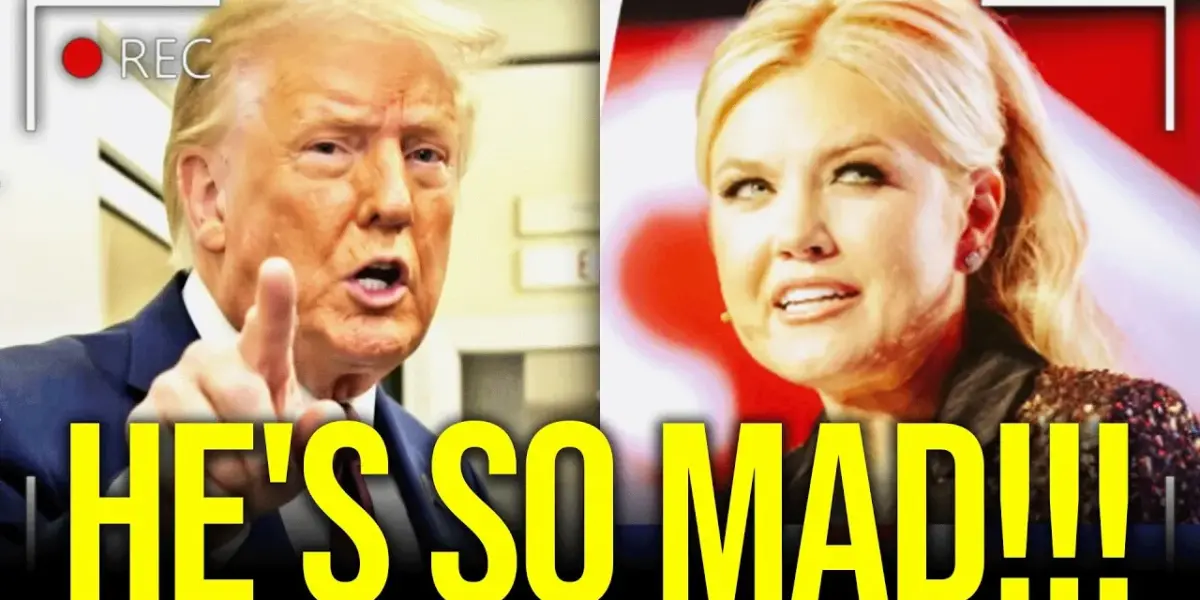
Trump Urges Lawsuit, Ignites Culture War Firestorm
A recent viral comedy skit mocking conservative commentator Erica Kirk has sparked a heated debate, drawing in political figures and commentators alike. The situation escalated when former President Donald Trump suggested Kirk should sue the comedian responsible, Drewski. This call for legal action has amplified existing controversies surrounding Kirk and her organization, Turning Point USA, while also highlighting deep divisions in political discourse.
Mass Psychosis or Satire?
The controversy began with a widely shared video by comedian Drewinski, who humorously parodied Kirk’s public persona and statements. This skit tapped into existing online discussions about Kirk, which have often involved criticism of Turning Point USA’s direction. Some, like commentator Tim Pool, have described the intense online reaction to Kirk as a form of “mass formation psychosis,” suggesting an irrational and widespread obsession.
“The amount of psychosis on threads and coming from the left and largely just women has freaked me out,” stated Pool, referencing aggressive online posts targeting Kirk.
However, others argue that such comedy, even if sharp, often contains elements of truth that resonate with audiences. The creator of the video, Chris Mouri, suggests that the skit’s viral success indicates it touched a nerve with many people who find some of Kirk’s public statements to be problematic.
Trump’s Intervention and Hypocrisy Claims
Donald Trump’s public suggestion that Erica Kirk should “sue their ass off” has become a central point of contention. Mouri points out the irony, given Trump’s own history of using legal threats and lawsuits against media outlets and individuals he disagrees with. This is seen by some as a contradiction from a figure who often criticizes his opponents for being overly sensitive to jokes.
The timing of Trump’s comment is also noteworthy. It came in the same week that Trump posted a remark about the death of Robert Mueller, a former FBI Director who led an investigation into Russian interference in the 2016 election. Trump’s post, which expressed satisfaction at Mueller’s passing, drew little public criticism from his supporters, according to Mouri. This stark contrast highlights what Mouri views as a double standard: outrage over a comedy skit versus silence over a politician’s harsh words about a deceased public servant.
The Skit’s Content and Criticism
The Drewinski skit itself satirized several of Kirk’s past statements. These included remarks about protecting “White male men” and her preference for “organic” products, such as a “sweet cream foam chai ice matcha” and an “all organic pup cup.” The satire also touched upon her religious references and broader political messaging.
Critics of the skit, and those who defend Kirk, often emphasize that she is a grieving widow, having lost her husband recently. They argue that the comedy crossed a line by targeting someone in mourning and that the online attacks have been excessively cruel and personal. Some posts have been described as racist and hateful, adding another layer to the already charged discussion.
Arguments for and Against the Comedy
The debate pits those who believe in the freedom of comedians to push boundaries against those who feel certain subjects, especially those involving personal tragedy or grief, should be off-limits. Mouri notes that even some Trump supporters, like commentator Nekboy, have acknowledged the skit’s creativity and edginess, while still finding it harsh.
“This guy’s he is on another level, bro. Looks like a white chick. … It’s got everything to make like what comedy is,” one commentator said about Drewinski’s work, while also noting its shock value.
The makeup used in the skit to resemble Kirk has also been a topic of discussion, with many agreeing that the likeness was remarkably accurate.
Why This Matters
This situation highlights several critical aspects of contemporary political and social discourse. Firstly, it demonstrates how easily online content can become politicized and weaponized. Secondly, it brings to the forefront questions about free speech, satire, and the boundaries of acceptable public commentary, especially when directed at public figures.
Furthermore, the involvement of Donald Trump underscores the power of political leaders to influence public opinion and shape cultural narratives. His call for a lawsuit, regardless of its legal merit, amplifies the conflict and signals a willingness to engage in culture war battles. The reactions also reveal a perceived hypocrisy within certain political factions, where criticism is selectively applied based on political alignment.
Implications and Future Outlook
The ongoing debate over the Erica Kirk skit and Trump’s reaction suggests that political discourse will likely remain highly polarized. The ease with which online trends can escalate into national conversations, often fueled by political figures, indicates a future where satire and criticism will continue to be battlegrounds.
The trend of public figures using their platforms to encourage or condemn specific actions, like lawsuits, sets a precedent for how disputes might be handled. It raises concerns about the potential for chilling effects on free expression, as individuals may fear retribution or legal challenges for their creative or critical output. As social media platforms continue to evolve, the dynamics of viral content and public reaction will remain a key area to watch in the political arena.
Historical Context
The use of satire and parody in politics is not new. Throughout history, comedians and artists have used their work to critique power and challenge societal norms. From political cartoons to late-night talk show monologues, humor has often served as a powerful tool for commentary. However, the speed and reach of the internet, coupled with increasing political polarization, have amplified the impact and intensity of these exchanges.
The current environment, characterized by rapid information spread and intense partisan loyalty, means that even seemingly minor events can quickly become major cultural flashpoints. The reaction to the Erica Kirk skit is a reflection of this broader trend, where cultural moments are often viewed through a partisan lens, leading to intensified debates and calls for action.
Source: Trump Drops Bomb on Erika Kirk Video (YouTube)

Related Articles

Trump’s Iran War Speech Misses Mark, Creates Chaos
President Trump's primetime address on the Iran War failed to provide clear strategy, instead highlighting domestic political divisions and economic distortions. The war's focus on economic impacts overshadows military realities and affects 2028 presidential prospects like J.D. Vance. Tensions also simmer within NATO.
AG Battles Attorney Over Trump SCOTUS Visit Impact
A Supreme Court case on birthright citizenship is sparking debate. Legal experts clash over former President Trump's attendance at oral arguments and California AG Rob Bonta's criticisms. The ruling, expected by June, could impact immigration policy and labor markets.

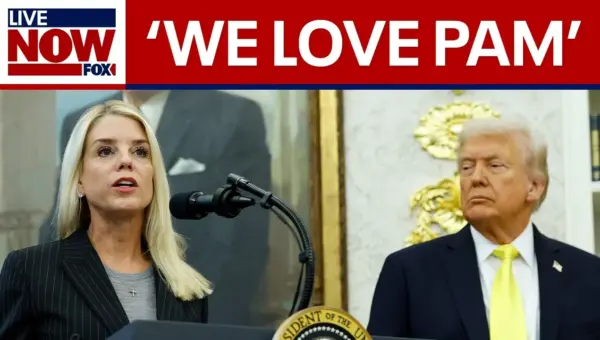
Trump Ousts AG Pam Bondi Amid Epstein Files Controversy
Pam Bondi has been removed as Attorney General amid controversy over the handling of the Jeffrey Epstein files. President Trump expressed appreciation for her service, naming Todd Blanch as acting AG. The Epstein files and demands for loyalty continue to be major issues for the Justice Department.