Trump Urges Allies to Secure Hormuz Strait Amid Iran Tensions
President Trump is urging allied nations to join the U.S. in securing the Strait of Hormuz, highlighting their greater economic dependence on the vital waterway. The U.S. claims significant success in dismantling Iran's drone and missile capabilities and destroying its mine-laying fleet.

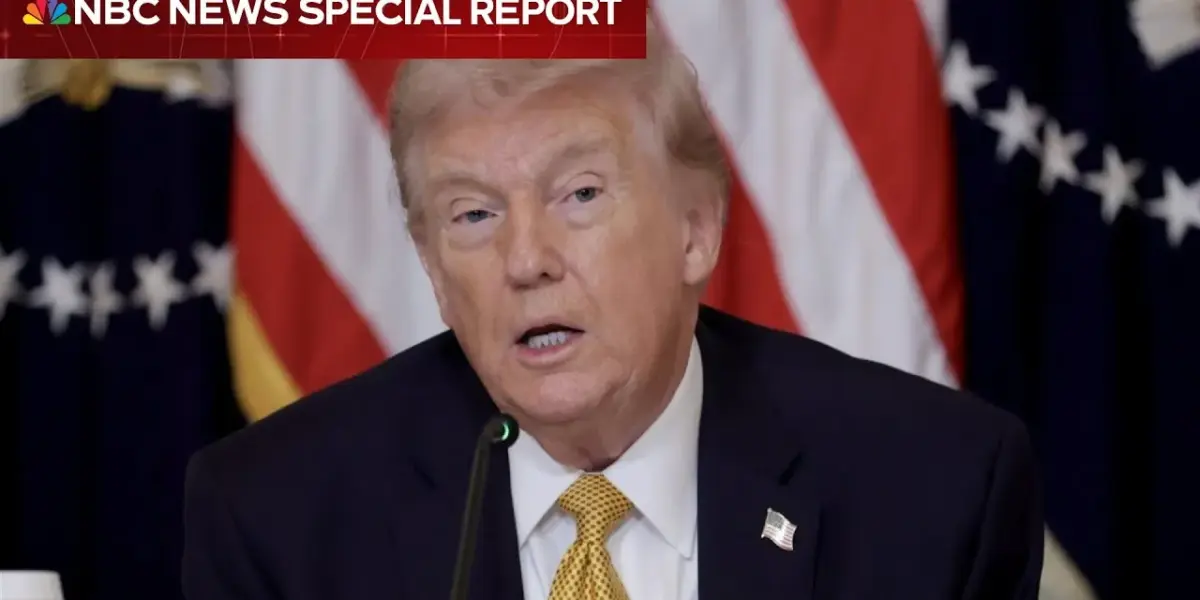
US Encourages International Cooperation in Strait of Hormuz Security
President Donald Trump has issued a strong call for allied nations to actively participate in securing the vital Strait of Hormuz, emphasizing that their economies are more dependent on the waterway than the United States. The statement comes amidst ongoing efforts by the U.S. to dismantle Iran’s defense capabilities and counter its threats to commercial shipping in the strategically crucial chokepoint.
Dismantling Iran’s Military Capabilities
The Trump administration has been aggressively targeting Iran’s defense industrial base, aiming to severely curtail its ability to develop and deploy missiles and drones. “Our ability to rebuild its missiles and drone capability is getting down to close to zero,” President Trump stated, highlighting the success of these operations. The administration asserts that these actions are directly impacting Iran’s capacity to threaten commercial vessels transiting the Strait of Hormuz.
Striking at Iran’s Naval Threats
A significant part of the U.S. strategy has involved targeting Iran’s naval assets, particularly those used for mine-laying operations. According to the President, the U.S. has destroyed “more than 30 mine laying ships.” He added, “We hit, to the best of our knowledge, all of their mine laying ships.” The administration believes this action has significantly degraded Iran’s capability to disrupt shipping through the deployment of naval mines, a tactic Iran has historically employed.
“Now they can put them on other types of ships, I guess, and drop them in. But we don’t know that any have even been dropped in. We’re not sure that any have been. That’s a big negative for them. If they do it, it’s a form of suicide. But we don’t know that they have dropped any in. But we’ve we’ve hit all 30 of their ships and destroyed them. They’re all at the bottom of the sea.”
Economic Stakes for Allies
President Trump underscored the disproportionate reliance of several key U.S. allies on the Strait of Hormuz for their energy imports. He pointed out that while the U.S. derives less than 1% of its oil from the Strait, other nations have much higher stakes. Japan, for instance, imports 95% of its oil through the passage, while China relies on it for 90%, and South Korea for 35%. Many European countries also depend significantly on this maritime route.
A Call for Shared Responsibility
Given these dependencies, the President urged these nations to step up and contribute to the security of the Strait. “We strongly encourage other nations whose economies depend on the Strait far more than ours… so we want them to come and help us with the Strait,” he said. The U.S. maintains that it has already taken significant steps to ensure the passage is secure, but believes a multinational effort is crucial for sustained stability.
The Strait of Hormuz: A Persistent Vulnerability
The Strait of Hormuz, a narrow waterway connecting the Persian Gulf to the open ocean, remains a critical global transit point for oil. Its strategic importance has made it a recurring flashpoint in regional tensions. The transcript highlights the inherent vulnerability of the area, noting that “literally a single terrorist can put something in the water or shoot something or shoot a missile, a small missile, and it’s fairly close range because it is a tight area.” This characteristic has historically allowed Iran to leverage the Strait as a weapon of economic pressure.
Future Outlook
The call for international cooperation signals a potential shift towards a more burden-shared approach to maritime security in the Persian Gulf. As diplomatic and military tensions persist, the willingness and capacity of key global economies to contribute to the security of the Strait of Hormuz will be closely watched. The effectiveness of U.S. actions against Iran’s military infrastructure and the response from allied nations will shape the future stability of this vital global trade route.
Source: Trump: We 'strongly encourage' other nations to help secure Strait of Hormuz (YouTube)

Related Articles
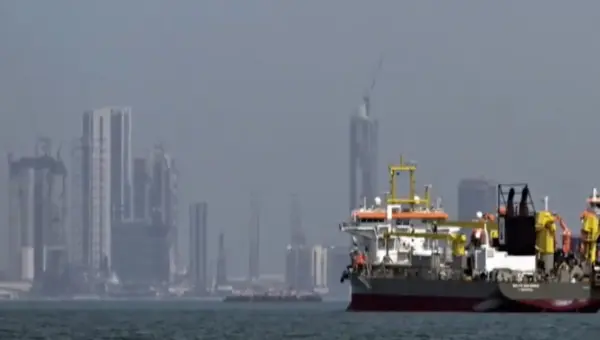
Iran Blocks China Ships, Exposing Beijing’s Weak Grip
Iran's recent decision to block Chinese ships at the Strait of Hormuz is exposing the limits of Beijing's influence in the Middle East. This action is causing delays and cancellations for Chinese manufacturers, turning a perceived geopolitical win into an economic strain.
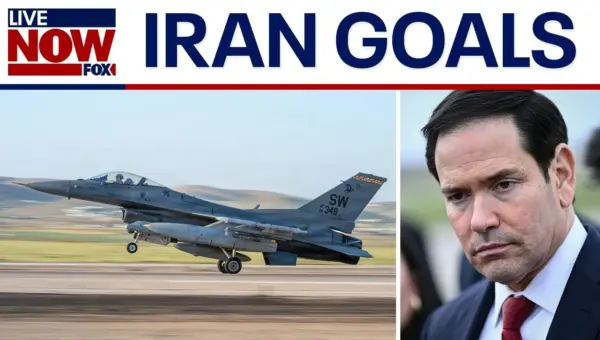
Rubio: US Can Achieve Iran War Goals Without Troops
Senator Marco Rubio outlined a strategy to counter Iran without deploying U.S. ground troops, focusing on weakening the regime and enhancing maritime security. He also criticized Cuba's economic system and expressed concerns about West Bank violence.


Israel Escalates Iran Strikes, Warns of Wider War
Israel has launched significant strikes inside Iran following continued missile fire, warning of further escalation. The conflict risks wider regional instability and economic disruption, especially concerning the Strait of Hormuz.