Trump Unleashes Fury: Iran’s Island Fortress Obliterated
President Trump ordered a massive bombing raid on Iran's Car Island, obliterating military targets. This escalation coincides with continued Iranian missile attacks on Israel and other regional sites, raising concerns of a wider conflict.

Trump Unleashes Fury: Iran’s Island Fortress Obliterated Amidst Escalating Conflict
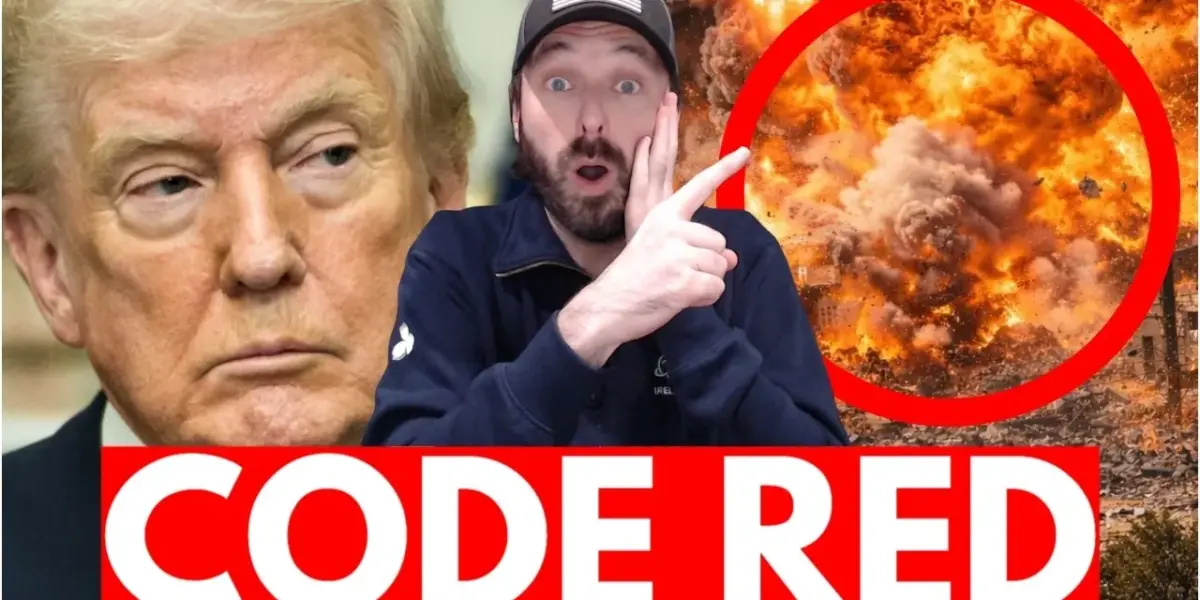
In a dramatic escalation of the ongoing conflict with Iran, President Donald Trump announced on Friday, March 14th, a massive bombing operation targeting Car Island, described as Iran’s most significant strategic asset. The operation, executed by the United States Central Command (CENTCOM), reportedly obliterated all military targets on the island, a move President Trump characterized as one of the most powerful bombing raids in the history of the Middle East. This aggressive action comes as Iran continues to launch missile attacks on Israel and other regional targets, painting a grim picture of a war rapidly spiraling out of control.
Car Island: A Strategic Blow
Car Island’s significance cannot be overstated. According to the analysis, 90 to 95% of Iran’s oil exports pass through this critical hub. By targeting its military infrastructure while deliberately sparing the oil facilities, President Trump signaled a strategic intent: to cripple Iran’s war-making capabilities without immediately plunging the global economy into chaos, though he explicitly warned of reconsidering this decision should Iran interfere with shipping through the Strait of Hormuz.
CENTCOM released footage showcasing the scale of the operation, detailing the destruction of naval mine storage, missile bunkers, and numerous other military sites. The strikes reportedly hit over 90 Iranian military targets, with runways also being cratered. The imagery depicted massive explosions, with missiles and bombs pulverizing ground targets, underscoring the immense firepower deployed.
President Trump, in his public statements, emphasized the rebuilt strength of the U.S. military, asserting Iran’s inability to defend against American attacks and reiterating his commitment to preventing Iran from acquiring nuclear weapons. He issued a stark warning to Iran and its allies, urging them to lay down their arms to salvage what remains of their country.
The Dual Front: Israel Under Fire
Simultaneously, the conflict shows no signs of abating on other fronts. The transcript highlights continued Iranian missile barrages targeting Israel. Footage shared depicts ballistic missiles impacting Israeli territory, with analysis pointing to Iran’s reliance on weapons like cluster munitions. The intensity and frequency of these attacks suggest a determined effort by Iran to retaliate and project power despite the significant blow to its strategic capabilities on Car Island.
Beyond Israel: Regional Spillover
The conflict’s reach extends beyond Israel. The analysis points to several other incidents:
- A drone strike, attributed to Iranian-backed Iraqi paramilitary groups, reportedly caused a small fire at the U.S. embassy in Baghdad.
- The UAE’s port of Fara was bombed, leading to the suspension of oil exports and significant damage, indicated by massive plumes of smoke.
- The Wall Street Journal reported that five U.S. Air Force refueling tankers were struck and damaged on the ground at Prince Sultan Air Base in Saudi Arabia during an Iranian missile strike, with at least seven U.S. tankers damaged or lost since the war began.
However, President Trump publicly refuted the extent of the damage to the tankers, stating via Truth Social that the base was hit, but the planes sustained minimal damage, with most already back in service. This discrepancy underscores the information warfare often accompanying kinetic conflict, with different narratives emerging from official statements and media reports.
Naval Mobilization and the Strait of Hormuz
In response to Iran’s perceived threats to maritime traffic, particularly its attempts to close the Strait of Hormuz, President Trump announced that numerous countries would be dispatching warships to join the U.S. in ensuring the strait’s safety and openness. This international naval coalition signals a broader commitment to maintaining global trade routes and projecting a united front against Iranian aggression.
Why This Matters
The events described represent a critical juncture in Middle Eastern geopolitics. The direct military action against a key Iranian asset like Car Island signifies a significant shift in U.S. strategy, moving from deterrence to direct, large-scale offensive operations. The continued missile attacks on Israel, coupled with strikes on regional infrastructure and diplomatic sites, indicate Iran’s willingness to engage in asymmetric warfare and retaliatory measures, even in the face of overwhelming U.S. military power.
The involvement of international naval forces in securing the Strait of Hormuz highlights the global implications of this conflict, particularly concerning energy security and international commerce. The war’s potential to destabilize the region further, impacting oil prices, global supply chains, and regional alliances, remains a paramount concern.
Implications, Trends, and Future Outlook
This escalation suggests a potential for a prolonged and wider conflict. Iran’s continued missile launches, despite facing a superior military force, indicate a strategic calculus focused on inflicting costs and demonstrating resilience. The targeting of U.S. assets and allies, even if met with varying levels of success, serves to project Iranian resolve and capability.
The U.S. strategy, as outlined by President Trump, appears to be a combination of overwhelming force aimed at degrading Iran’s military capacity, while simultaneously leveraging international alliances to manage regional security. The decision to hold back from destroying oil infrastructure, though presented as a measure of ‘decency,’ also serves as a potent threat, capable of being deployed if diplomatic or strategic pressures necessitate it.
Looking ahead, the situation remains volatile. The effectiveness of the international naval presence in deterring Iranian actions in the Strait of Hormuz will be closely watched. Furthermore, the potential for miscalculation or unintended escalation remains high, as both sides demonstrate a willingness to employ significant force. The ongoing narrative battle, as seen with the conflicting reports on the Saudi air base incident, will also play a crucial role in shaping international perception and domestic support for the conflict.
Historical Context
The current tensions are rooted in decades of complex U.S.-Iran relations, marked by the 1979 Islamic Revolution, the Iran hostage crisis, and subsequent periods of proxy conflict and diplomatic estrangement. U.S. policy has historically sought to contain Iran’s regional influence and prevent its acquisition of nuclear weapons. Previous U.S. administrations have employed a mix of sanctions, diplomatic pressure, and military posturing. This current phase, however, appears to represent a more direct and forceful military engagement under President Trump, deviating from the more nuanced approaches of some predecessors. The strategic importance of the Strait of Hormuz has long been a flashpoint, with Iran previously threatening to close it during periods of heightened tension.
<blockquote
“Our weapons are the most powerful and sophisticated that the world has ever known. But for reasons of decency, I’ve chosen not to wipe out the oil infrastructure on the island. However, should Iran or anyone else do anything to interfere with the free and safe passage of ships through the straight of Hormuz, I will immediately reconsider this decision.” – President Donald Trump
This statement encapsulates the current strategic dilemma: a display of overwhelming military might coupled with a conditional de-escalation, contingent on Iranian behavior. The unfolding events suggest a dangerous game of escalation and deterrence, with significant implications for global stability.
Source: Trump CRUSHES Major Iran Target – Missiles RAIN DOWN On Israel (YouTube)

Related Articles

US Strikes Cripple Iran’s Military Might, CENTCOM Reports
U.S. Central Command reports ongoing strikes inside Iran are significantly weakening its military power. This direct action aims to reshape regional security dynamics, but carries risks of escalation. The long-term impact depends on Iran's response and ability to adapt.


Iran Targets US With Cyberattacks, Escalating Digital Warfare
Iran is increasingly using cyberattacks to challenge the U.S., as seen in a recent hack of the FBI director's account. Experts say this is a strategic shift due to Iran's limitations in conventional warfare. The U.S. needs to strengthen its digital defenses, focusing on encryption and cloud computing, rather than solely relying on traditional security measures.


Iran Hacks FBI Chief, Exposing U.S. Cyber Vulnerabilities
A recent hack of FBI Director Kash Patel's personal email by an Iran-linked group highlights Iran's growing cyber threat to the U.S. Experts explain how simple security oversights are exploited, emphasizing the need for basic defenses like two-factor authentication to protect against propaganda and potential infrastructure attacks.