Trump Tightens Iran Stranglehold, Demands Hormuz Opening
President Trump has issued a stern deadline to Iran, demanding the opening of the Strait of Hormuz and warning of severe consequences if a deal isn't reached. This comes amid ongoing negotiations and a recent successful, high-risk military rescue operation.

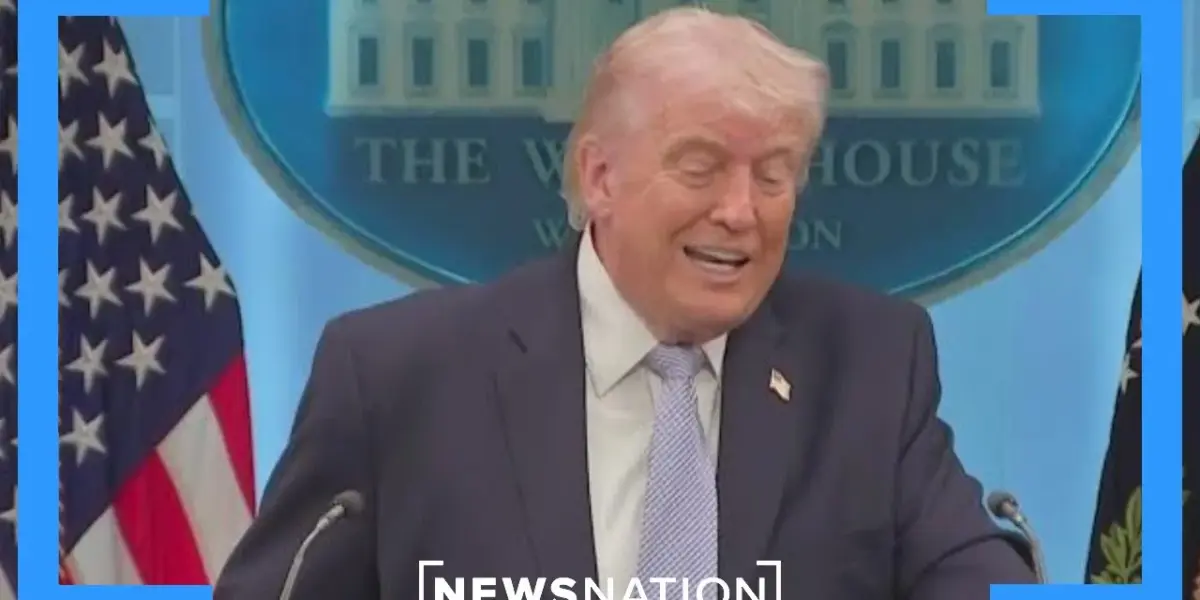
Trump Tightens Iran Stranglehold, Demands Hormuz Opening
President Trump has set a firm deadline for Iran to make a deal, warning of a severe response if demands are not met. This ultimatum comes amid ongoing, albeit tense, negotiations between the U.S. and Iran. The President emphasized that any agreement must include the free flow of traffic through the Strait of Hormuz, a vital waterway for global oil transport. This demand highlights a critical point of contention in U.S.-Iran relations.
Behind the Deadline: US-Iran Negotiations
Sources indicate that behind-the-scenes discussions are taking place between American and Iranian leaders. President Trump stated that these negotiations are progressing, suggesting they are happening in good faith. However, he reiterated that the deadline is tonight at 8:00 PM Eastern Time and he will not change it. This dual approach of negotiation and threat underscores the high stakes involved.
The Strait of Hormuz: A Global Chokepoint
The Strait of Hormuz is a narrow waterway connecting the Persian Gulf to the open ocean. It is one of the world’s most important oil transit points. Roughly 20% of global oil consumption passes through this strait daily. Iran has previously threatened to close the strait in response to international pressure or sanctions. Ensuring its openness is a top priority for the United States and its allies, as any disruption could severely impact global energy markets and prices.
A Risky Rescue Operation
The President also detailed a recent, highly risky military operation to rescue downed airmen deep within Iranian territory. He revealed that some military leaders initially opposed the mission, but he ordered the Pentagon to do whatever was necessary to bring the airmen home safely. The operation involved hundreds of special forces troops and 155 aircraft. The CIA reportedly launched a deception campaign to confuse Iranian forces during the search. Despite facing enemy fire and some aircraft being hit or destroyed, the mission was successful. Crucially, no American service members were killed, and the two rescued airmen are reported to be in good condition and recovering. This operation showcases the U.S. military’s capability and the President’s resolve.
Iran’s Position
Iran has described the U.S. peace proposal as unrealistic. The transcript does not detail the specifics of the U.S. proposal or Iran’s counter-offers. However, Iran’s stance suggests a significant gap remains in the negotiations. The U.S. believes the Iranian people support American actions, even if those actions involve damaging civilian infrastructure, a point the President dismissed as a potential war crime concern.
Global Impact: Why This Reshapes the World Order
The current standoff between the U.S. and Iran, particularly concerning the Strait of Hormuz, has far-reaching global implications. The free flow of oil through this waterway is essential for the stability of the global economy. Any conflict or sustained tension in the region could lead to significant spikes in oil prices, impacting consumers and industries worldwide. The U.S. military’s successful rescue operation, while a tactical victory, also raises the stakes for future confrontations. The situation highlights the delicate balance of power in the Middle East and the potential for regional instability to spill over onto the international stage. The U.S. strategy appears to be one of maximum pressure, aiming to force Iran to the negotiating table on terms favorable to Washington, particularly regarding its nuclear program and regional activities, though these specific demands are not detailed in the provided transcript.
Historical Context
Tensions between the U.S. and Iran are not new. They date back to the 1979 Iranian Revolution. The U.S. has consistently sought to limit Iran’s nuclear ambitions and its influence in the region. The Strait of Hormuz has been a flashpoint before, with international naval forces regularly operating there to ensure freedom of navigation. Previous U.S. administrations have also imposed sanctions and engaged in diplomatic efforts, with varying degrees of success. This current escalation appears to be an intensification of long-standing geopolitical competition.
Economic Leverage and Future Scenarios
The U.S. has used economic sanctions as a primary tool to pressure Iran. These sanctions aim to cripple Iran’s economy and compel it to change its behavior. Iran, in turn, has used threats to regional stability, including the potential closure of the Strait of Hormuz, as a counter-leverage. Several future scenarios are possible. Negotiations could succeed, leading to a de-escalation. Alternatively, the deadline could pass without a deal, leading to increased tensions and potentially military action. There is also the possibility of a prolonged period of heightened alert and limited confrontations. The outcome will depend on the willingness of both sides to compromise and the evolving geopolitical dynamics in the region.
Source: Trump warns Iran to open Strait of Hormuz or face devastating response | Morning in America (YouTube)

Related Articles
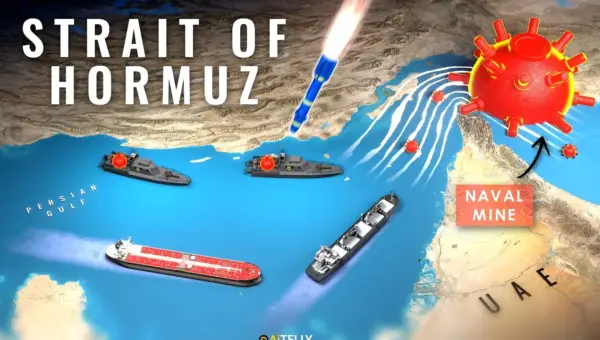
US Strikes Iran’s ‘Mosquito Fleet’ to Secure Oil Lanes
Iran's use of naval mines and fast attack boats in the Strait of Hormuz prompted a decisive US response. The US employed a preemptive strategy, striking mine-laying ships and storage facilities with precision-guided missiles and bombs.
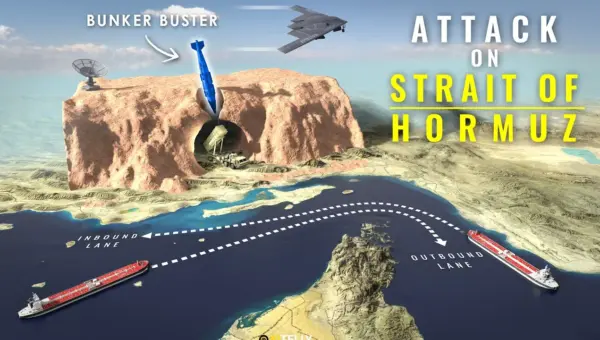
Iran’s Strait of Hormuz Trap: How the US Fights Back
Iran's strategy to control the Strait of Hormuz involves using islands as bases for anti-ship missiles and launching swarm attacks with small boats. The US counters with advanced defense systems, surveillance drones, and powerful bunker-buster bombs, highlighting the ongoing tension in this vital global shipping lane.
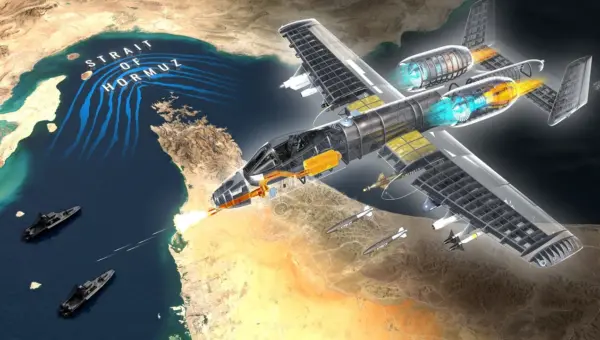
A-10 Warthog Defies Retirement in Hormuz Strait
The U.S. Air Force's plan to retire the A-10 Thunderbolt faces a challenge in the Strait of Hormuz. Its unique design, built for low-and-slow flight and extreme durability, makes it essential for countering small boats and drones in the narrow waterway. The Warthog's ruggedness and specialized firepower prove its continued value.