Trump Threatens War Crimes Over Oil Access
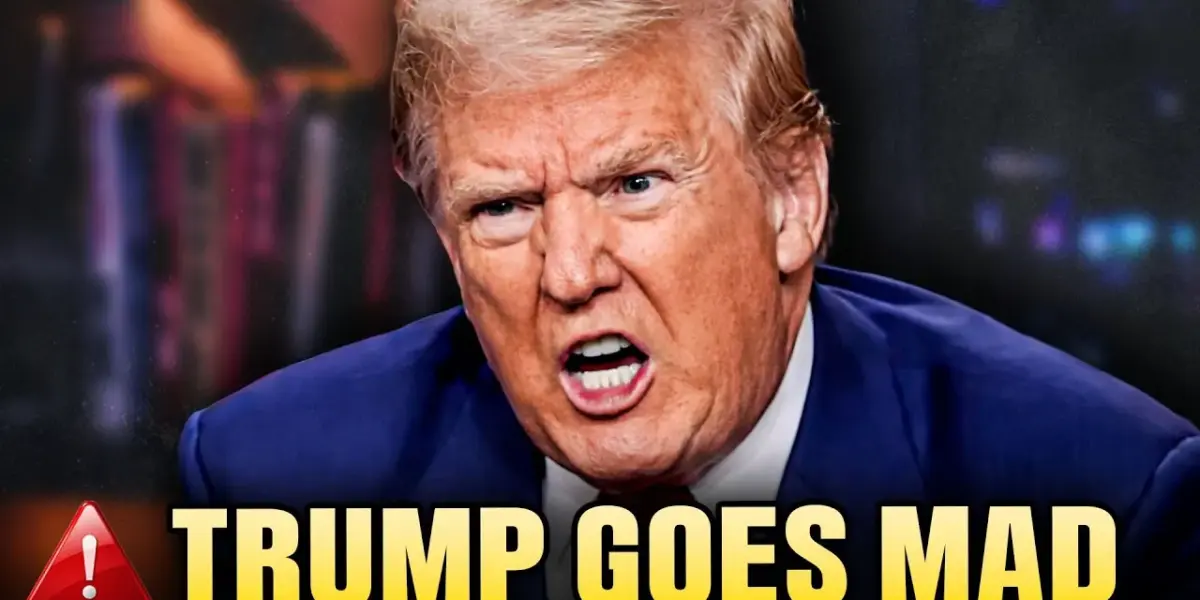
Donald Trump has threatened to commit war crimes in Iran by destroying essential infrastructure if his demands regarding oil exports are not met. This statement, made despite claims of prior military success, raises serious legal and ethical concerns and highlights the complex interplay of oil, politics, and international law.

Trump Threatens War Crimes Over Oil Access
Donald Trump has recently made alarming statements about his intentions regarding Iran. He suggested that if a deal is not reached quickly and the Strait of Hormuz is not reopened for business, the United States would retaliate by destroying Iran’s electric power plants, oil wells, and possibly its desalination plants. This threat has drawn significant criticism as attacking such infrastructure is considered a war crime under international law.
Conflicting Claims on Goals and Success
This threat comes despite claims from Trump and members of his administration that U.S. goals in Iran have already been met. Trump has stated on multiple occasions that Iran’s military has been wiped out and that the U.S. has already won, with some media reports even declaring victory within 48 hours of initial strikes.
The Role of Oil and Gas Prices
The core of Trump’s demand seems to be the reopening of the Strait of Hormuz to allow access to crude oil. The transcript suggests that high gas prices in the U.S. are negatively impacting Trump’s approval ratings and could harm Republicans in upcoming midterm elections. Trump’s strong language appears to be an attempt to address this issue and regain public support.
International Law and War Crimes
Attacking civilian infrastructure, especially those related to essential services like water, is a violation of international law. The transcript highlights that intentionally targeting desalination plants constitutes a war crime. It points out that ignorance of these laws is not a valid defense, and soldiers ordered to carry out such attacks could face prosecution by the International Criminal Court.
“Intentionally attacking infrastructure up to and including drinkable water is a war crime under international law.”
Historical Context: Nuremberg Trials
The analysis draws a parallel to the Nuremberg trials after World War II. It serves as a reminder that following orders does not excuse individuals from responsibility if those orders involve committing war crimes. This historical precedent is presented to warn service members against participating in potentially illegal actions.
Disputed Negotiations
Trump’s statements about making “great progress” in discussions with Iran are contradicted by Iran’s own public statements. Iran has reportedly denied engaging in any such negotiations, calling the claims false. This discrepancy raises questions about the actual state of diplomatic relations between the two countries.
Why This Matters
Trump’s threats are significant because they escalate tensions and could lead to a dangerous conflict. The potential for war crimes raises serious ethical and legal concerns. Furthermore, the focus on oil and gas prices highlights the ongoing reliance on fossil fuels and its impact on both domestic politics and international relations. The disregard for international law, even if presented as a political tactic, sets a worrying precedent for future foreign policy decisions.
Implications and Future Outlook
If such threats were carried out, the consequences for Iran would be severe, potentially leading to a humanitarian crisis. For the U.S., it could result in international condemnation and legal repercussions. The situation underscores the volatile nature of international diplomacy, especially when driven by domestic political pressures and economic interests like oil. The future outlook remains uncertain, with the potential for further escalation or a de-escalation depending on diplomatic efforts and political developments.
Trends and Background
This event is part of a broader trend of heightened tensions between the U.S. and Iran. Historically, U.S.-Iran relations have been complex and often adversarial since the 1979 Iranian Revolution. Issues such as Iran’s nuclear program, regional influence, and oil trade have been recurring points of conflict. Trump’s “maximum pressure” campaign against Iran, including the withdrawal from the Joint Comprehensive Plan of Action (JCPOA) nuclear deal, has significantly contributed to the current strained relationship.
Source: Trump Says He'll Commit War Crimes If He Doesn't Get His Way (YouTube)

Related Articles
Iran Downs US Jet, Exposing Global Power Shifts
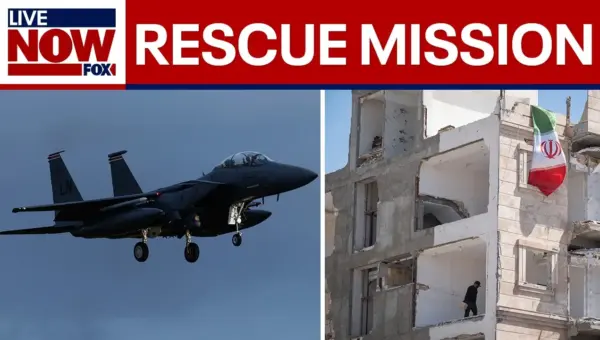
An F-15E jet shot down over Iran sparks a rescue mission and highlights global power shifts. Allies question U.S. predictability while domestic debates rage over military spending. This incident underscores complex regional tensions and evolving international dynamics.
US Jet Downed in Iran: One Pilot Rescued, Search Continues
A US F-15 fighter jet has crashed in Iran, leading to a large-scale rescue operation. One pilot has been rescued, but an intense search continues for a second crew member. The incident occurred in a challenging mountainous region, and the cause of the crash is still under investigation.


Oil Shock: Hormuz Closure Triggers Global Financial Crisis
A prolonged closure of the Strait of Hormuz could trigger a global financial crisis, leading to soaring energy prices, bond market instability, and a stock market crash. Analysts warn of potential job losses and asset devaluation, with limited safe havens for investors.