Trump Threatens NATO Exit, Calling Alliance ‘Paper Tiger’
President Trump is considering withdrawing the U.S. from NATO, calling the alliance a "paper tiger." He feels allies have not supported the U.S. enough, citing a lack of help regarding the Strait of Hormuz. UK Prime Minister Keir Starmer responded by emphasizing national interest and the importance of strong U.S.-Europe ties.

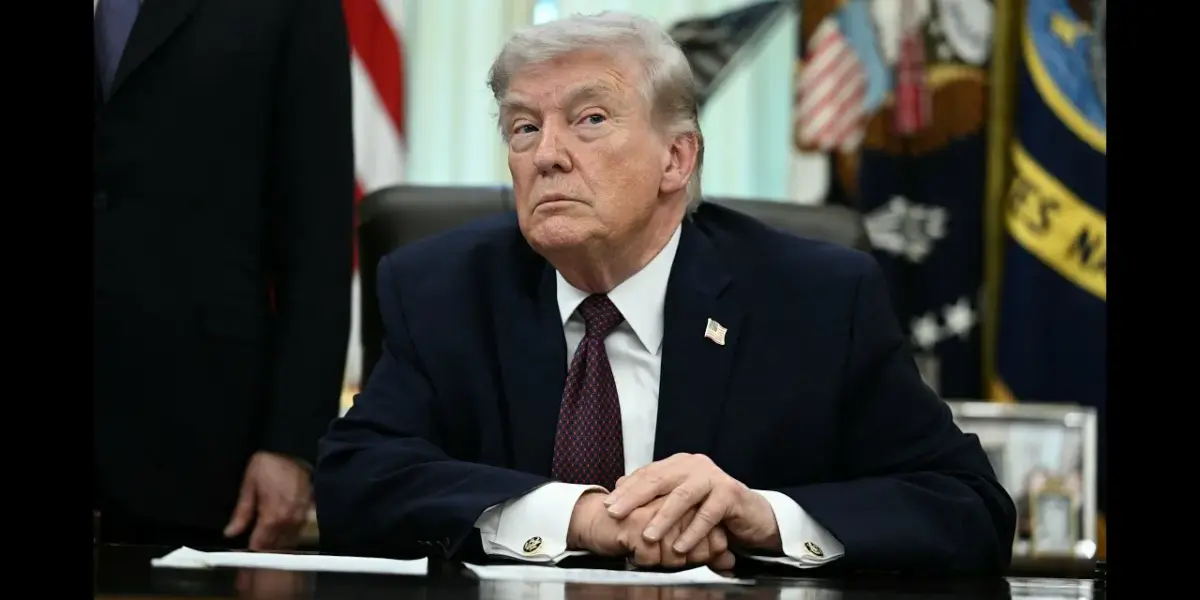
Trump Threatens NATO Exit, Calling Alliance ‘Paper Tiger’
President Trump is signaling a significant change in how the United States works with its allies. He recently stated he is strongly thinking about leaving NATO. This is a major military alliance that has been around for decades. Trump described NATO as a “paper tiger” in an interview with the Telegraph newspaper. He believes the alliance has not helped the U.S. enough, especially during a conflict with Iran.
NATO’s Role and Trump’s Grievances
The president specifically pointed to NATO allies not wanting to help reopen the Strait of Hormuz. This waterway is very important for oil shipments. Trump sees this as a major reason for his dissatisfaction. He feels the U.S. has always supported its partners. However, he believes this support has not been returned by them. This feeling of one-sided support is a key part of his argument.
Criticism of Allies’ Readiness
Trump also voiced concerns about the military readiness and priorities of other nations. He specifically mentioned the United Kingdom. He questioned their preparedness and leadership choices regarding defense. This criticism adds another layer to his doubts about the value of existing alliances. He seems to be looking for allies who can contribute more directly and effectively to shared security goals.
UK’s Response: Prioritizing National Interest
British Prime Minister Keir Starmer was asked about President Trump’s comments. Starmer stated that he would always act in his country’s best interest. He mentioned that he would do this regardless of any external pressures or statements. Starmer believes that maintaining a strong relationship with the United States is crucial for the UK. He also emphasized the importance of strong ties with Europe.
Strengthening Europe’s Defense
The UK leader explained that a stronger relationship with Europe, especially in defense and security, is vital for Britain. He believes that by improving its ties with Europe, the UK can then strengthen its relationship with the U.S. Starmer has been a long-time advocate for Europe to increase its own defense spending and capabilities. This suggests a belief that European nations should take more responsibility for their own security.
Historical Context: The Founding of NATO
NATO, the North Atlantic Treaty Organization, was formed in 1949. Its main goal was to protect Western Europe from the Soviet Union during the Cold War. The idea was that an attack on one member would be considered an attack on all. This mutual defense pact helped create a strong united front against potential aggression. Over the years, NATO has expanded and adapted to new security challenges.
Why This Matters
President Trump’s questioning of NATO’s value could significantly alter global security. NATO has been a cornerstone of Western defense for over 70 years. If the U.S. were to withdraw, it would weaken the alliance considerably. This could lead to instability in Europe and potentially embolden adversaries. It also raises questions about the future of international cooperation and collective security. Allies might start to doubt the reliability of U.S. commitments.
Implications and Future Outlook
Such a move could force European nations to increase their own defense spending and coordination. It might lead to a more independent European defense force. However, it could also create divisions among allies. The long-term impact on global stability and the balance of power is uncertain. Other countries might reconsider their own alliances and defense strategies in response to this potential shift.
Trends in Global Politics
Trump’s comments reflect a broader trend of questioning long-standing international agreements. There is a growing focus on national interests over collective security in some parts of the world. This approach, sometimes called “America First,” prioritizes what is seen as best for the United States directly. It challenges the post-World War II international order that emphasized cooperation and alliances.
Looking Ahead
Whether the U.S. actually leaves NATO remains to be seen. However, the president’s willingness to consider it signals a potential major shift. It highlights ongoing debates about the role of alliances in modern security. The world will be watching closely to see how these discussions unfold and what decisions are made. The future of NATO, and indeed global security, could depend on these choices.
Source: Trump Says He’s Considering Quitting NATO, Calls Alliance ‘a Paper Tiger’ (YouTube)

Related Articles
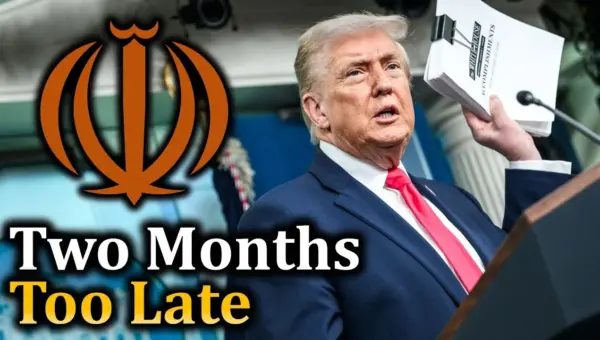
Trump’s Iran War Speech Misses Mark, Creates Chaos
President Trump's primetime address on the Iran War failed to provide clear strategy, instead highlighting domestic political divisions and economic distortions. The war's focus on economic impacts overshadows military realities and affects 2028 presidential prospects like J.D. Vance. Tensions also simmer within NATO.
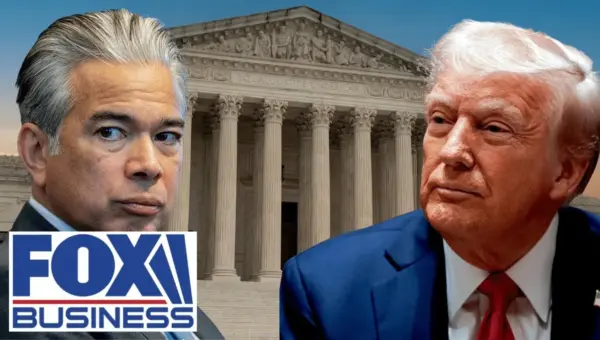
AG Battles Attorney Over Trump SCOTUS Visit Impact
A Supreme Court case on birthright citizenship is sparking debate. Legal experts clash over former President Trump's attendance at oral arguments and California AG Rob Bonta's criticisms. The ruling, expected by June, could impact immigration policy and labor markets.
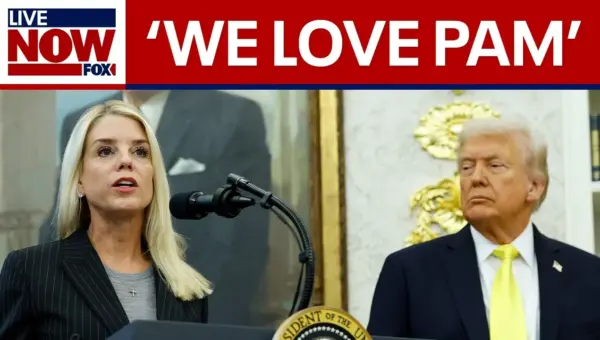
Trump Ousts AG Pam Bondi Amid Epstein Files Controversy
Pam Bondi has been removed as Attorney General amid controversy over the handling of the Jeffrey Epstein files. President Trump expressed appreciation for her service, naming Todd Blanch as acting AG. The Epstein files and demands for loyalty continue to be major issues for the Justice Department.