Trump Threatens NATO Allies With Troop Removal
President Trump is reportedly considering withdrawing U.S. troops from NATO allies deemed "less supportive" of American foreign policy. This potential move, which could see forces shifted from countries like Spain and Germany to Poland, follows criticism from Trump that some allies have not adequately backed U.S. goals. NATO officials have emphasized the importance of U.S. leadership while acknowledging ongoing discussions about alliance contributions.

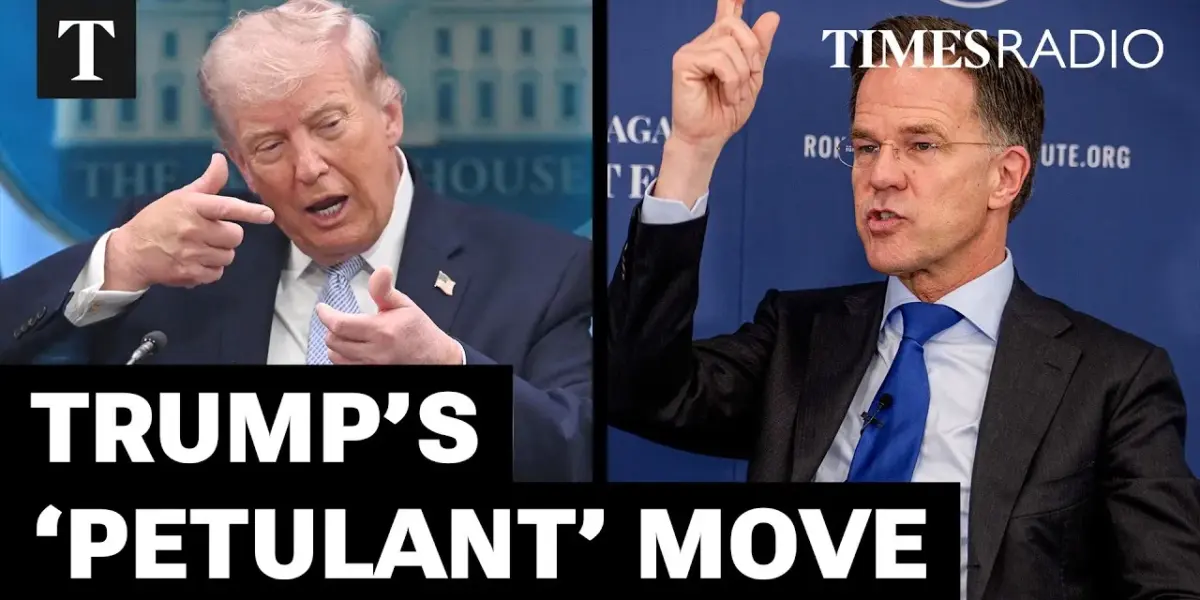
Trump Eyes NATO Troop Moves Over ‘Lack of Support’
President Donald Trump is reportedly considering pulling U.S. troops from NATO allies who have not sufficiently supported American foreign policy goals, particularly concerning Iran. This potential move, detailed in a Wall Street Journal report, suggests a significant shift in U.S. military posture within the alliance, potentially relocating forces from countries like Spain and Germany to more supportive nations such as Poland.
NATO Chief Stresses U.S. Leadership Amid Tensions
The comments from Trump come as NATO Secretary General Jens Stoltenberg praised U.S. leadership in a recent news conference. “American leadership is absolutely essential if freedom is to be the rule and not the exception,” Stoltenberg stated. He acknowledged initial slow responses from allies but emphasized their current support for U.S. military objectives, including efforts to prevent Iran from acquiring nuclear weapons and curb its influence. “Nearly without exception, allies are doing everything the United States is asking,” Stoltenberg added, suggesting that allies are responding to Trump’s requests.
‘Frank’ Discussions and Differing Views
Despite Stoltenberg’s positive remarks, meetings between Trump and NATO officials, including a recent discussion with NATO Secretary General Mark Rutte, have been described as “frank.” This term implies significant differences of opinion remain. Following one such meeting, Trump posted on social media, criticizing allies for not providing sufficient support in his view, and hinting at a “pay-to-play” model for alliances, a concept that reportedly makes allies nervous.
Beyond Defense Spending: A New Alliance Model?
Experts suggest Trump’s approach stems from a misunderstanding of NATO’s core purpose as a defensive alliance. He appears to view it more as a tool for his personal foreign policy initiatives, seeking not just military backing but also public praise. This has led to proposals for “punishing” less supportive members, a move that goes beyond the traditional focus on defense spending, which Trump has also criticized European nations for keeping too low.
“Trump has been really actually quite helpful on that front [defense spending],” noted one commentator, referring to how Trump’s pressure has prompted European countries to increase their defense budgets. However, the current proposals are seen as a different matter entirely, focusing on specific political actions rather than collective defense capabilities.
Logistical Hurdles and Military Ethics
The practicalities of relocating troops are immense. As former U.S. General Steven Anderson pointed out, moving an army base and its personnel is a massive logistical undertaking, not as simple as moving a ship. Anderson also raised serious ethical concerns regarding potential orders, stating he would have resigned if faced with an order he deemed a war crime, such as the threat to “annihilate Iran as a civilization.” He believes many high-level military leaders would have done the same.
This discussion touches upon a controversial issue in U.S. politics: the extent to which military personnel can or should question orders from the Commander-in-Chief. A past incident involving Democratic senators with military backgrounds suggesting they might not act on illegal orders led to accusations of treason from the White House and Republican party. The potential for prosecution of such individuals highlights the deep political divisions surrounding military obedience and ethics in the United States.
Broader Implications for NATO and Global Stability
While Trump’s actions might inadvertently strengthen NATO’s eastern flank by moving troops closer to Russia’s borders, potentially serving as a deterrent, the underlying intent appears to be punitive rather than strategic for the alliance. The commentators noted that it is difficult to see how Trump’s current approach strengthens his overall agenda, especially considering the potential for unintended consequences, such as strengthening Russia’s position, which was not his initial aim.
The situation underscores a significant cultural difference between U.S. and European political norms, particularly regarding the prosecution of political opponents. While polarization is evident in Britain, the U.S. exhibits a more intense level of partisan conflict, including attempts to prosecute politicians for their statements.
Source: Trump May Pull US Troops From ‘Less Supportive’ NATO Allies (YouTube)

Related Articles

Trump Renovation Raises Questions of Foreign Steel Influence
Questions are being raised about the use of foreign steel in White House renovations and potential links to policy changes. A donation of steel from ArcelorMittal to President Trump's ballroom project preceded adjustments to tariff policies that could benefit the company. This has sparked debate over transparency and corporate influence in government.

Congress Must Curb Trump’s War Powers Now
Concerns are mounting over President Trump's actions regarding Iran, prompting calls for Congress to reclaim its constitutional war powers. Senator Schumer is forcing a vote to highlight this issue, putting Republicans in a tough spot during an election year. This debate is crucial for maintaining the balance of power in U.S. foreign policy.
Democrats’ War Powers Push Faces Skepticism in Congress
House Democrats are pushing for a War Powers Resolution vote, but analysts suggest it may not gain traction. Meanwhile, Virginia's governor faces criticism over policy shifts, potentially serving as a political case study.