Trump Threatens Iran’s Infrastructure Amid War Talks
President Trump is simultaneously threatening to destroy Iran's energy and water infrastructure while claiming serious diplomatic discussions are underway. Meanwhile, Iran denies direct talks, and the ongoing war continues to impact global markets, driving up oil prices and affecting U.S. gas costs.


Trump Issues Stark Threats to Iran Amid Conflicting Diplomatic Signals
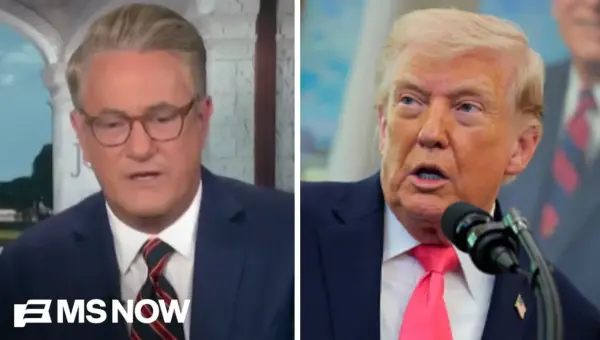
President Donald Trump is simultaneously escalating threats against Iran and suggesting diplomatic progress in ending the ongoing conflict. In a series of social media posts, Trump stated the U.S. is engaged in “serious discussions” with Iran, yet warned of dire consequences if a deal isn’t reached swiftly. He specifically threatened to “blow up and completely obliterate Iran’s civilian energy and water infrastructure” if the Strait of Hormuz isn’t reopened by his April deadline.
This aggressive rhetoric comes as Trump told reporters on Air Force One that a deal could be close. “I would only say that we’re doing extremely well in that negotiation, but you never know with Iran because we negotiate with them, and then we always have to blow them up,” he remarked. He expressed optimism, stating, “I do see a deal in Iran. Could be soon.”
Iran Denies Direct Talks, Calls U.S. Plan Unrealistic
However, Iran has publicly refuted claims of direct negotiations with Washington. Tehran described the Trump administration’s 15-point plan to end the war as “unrealistic and unreasonable.” This stark contrast in public statements highlights the complex and often contradictory nature of the diplomatic efforts.
White House Insists Talks Are Progressing
White House Press Secretary Karoline Leavitt pushed back against Iran’s statements, asserting that Tehran is eager to negotiate. “It’s no surprise that we are seeing the remaining elements of the regime become increasingly eager to end the destruction and come to the negotiating table while they still can,” Leavitt said. She maintained that despite public posturing, talks are continuing and going well. Leavitt added that if Iran rejects this “golden opportunity,” the U.S. military stands ready to ensure the regime “continues to pay a grave price.”
Economic Fallout: Rising Gas Prices and Market Uncertainty
The ongoing conflict is sending shockwaves through the U.S. economy. The national average for a gallon of regular gasoline has climbed to just under $4, a 34% increase since the war began. Oil prices have also surged, settling above $102 per barrel, the first time they’ve surpassed the $100 mark since the conflict started.
On Wall Street, market reactions reflect the uncertainty. While the Dow Jones Industrial Average ended the day slightly positive, the broader S&P 500 flirted with losses. Both the Dow and Nasdaq have entered correction territory, down over 7% since the war’s commencement. This economic instability is directly linked to the rising crude oil prices, with analysts noting that every $10 increase per barrel of oil translates to an additional $0.25 per gallon at the pump.
Military Options and Potential Escalation
The Pentagon is reportedly preparing various options for the president, which may include seizing Iran’s oil infrastructure, like Kharg Island, a key export hub. Courtney Kube, NBC News Senior National Security Correspondent, explained that such actions could involve significant U.S. ground forces. She noted that taking Kharg Island would be difficult and extremely dangerous, requiring constant air superiority to defend against Iranian attacks.
Other military options on the table include efforts to secure the Strait of Hormuz by establishing a presence on nearby islands, potentially preventing Iran from deploying boats and drones. A more dangerous option involves targeting Iran’s highly enriched uranium facilities, though the status and location of these facilities remain unclear.
Russia’s Role and Intelligence Sharing
Adding another layer of complexity, Ukrainian President Volodymyr Zelenskyy told Raf Sanchez, NBC News International Correspondent, that Russia is sharing intelligence with Iran. Zelenskyy cited an example where Russia allegedly took satellite images of a U.S. base in Saudi Arabia multiple times days before an Iranian attack that injured U.S. troops. He believes Russia benefits from a prolonged Middle East war, as high oil prices boost its revenue and the demand for U.S.-made interceptor missiles diverts resources from Ukraine.
Regional Tensions: Lebanon and Houthi Attacks
Stephanie Gosk, NBC News Senior National Correspondent in Tel Aviv, reported that Israeli Prime Minister Benjamin Netanyahu plans to widen the ground campaign in southern Lebanon against Hezbollah. This move aims to fundamentally change the border and has already led to significant destruction and displacement in Lebanon. Meanwhile, the Iran-backed Houthi rebels have begun launching missiles at Israel, raising concerns about another front opening in the conflict and potentially impacting critical shipping lanes like the Bab al-Mandab Strait.
What’s Next?
As the conflict enters its fifth week with no clear end in sight, the world watches closely. The diplomatic tightrope walk between threats and negotiations, coupled with economic pressures and regional escalations, creates a volatile situation. Future developments will hinge on whether diplomatic channels can overcome the aggressive rhetoric and if either side is willing to make significant concessions.
Source: Meet the Press NOW — March 30 (YouTube)

Related Articles

Gulf Allies Urge Trump to Continue Iran Conflict
U.S. allies in the Persian Gulf are urging President Trump to intensify military action against Iran, believing Tehran has not been sufficiently weakened. The ongoing conflict raises concerns about regional stability and global energy prices, while questions linger about the administration's long-term strategy.

Middle East Conflict Sends Gas Prices Soaring Past $4
The national average gas price has surpassed $4 per gallon for the first time since 2022, driven by escalating conflict in the Middle East. Recent attacks on oil tankers and military strikes have heightened fears of energy supply disruptions, impacting consumers globally.
US Weighs Troop Deployment Amid Iran Deal Push
The U.S. is considering deploying ground troops to Iran while simultaneously pushing for a diplomatic deal to reopen the Strait of Hormuz. Air strikes are ongoing as President Trump increases pressure on Iran.