Trump Threatens Iran’s Gas Field Amid Energy War
Former President Donald Trump has issued a severe warning to Iran, threatening to "massively blow up" the South Pars gas field if attacked. This escalation coincides with rising oil prices and concerns over global energy security. The situation is further complicated by rising terror threats within the U.S. and China's support for Iran.

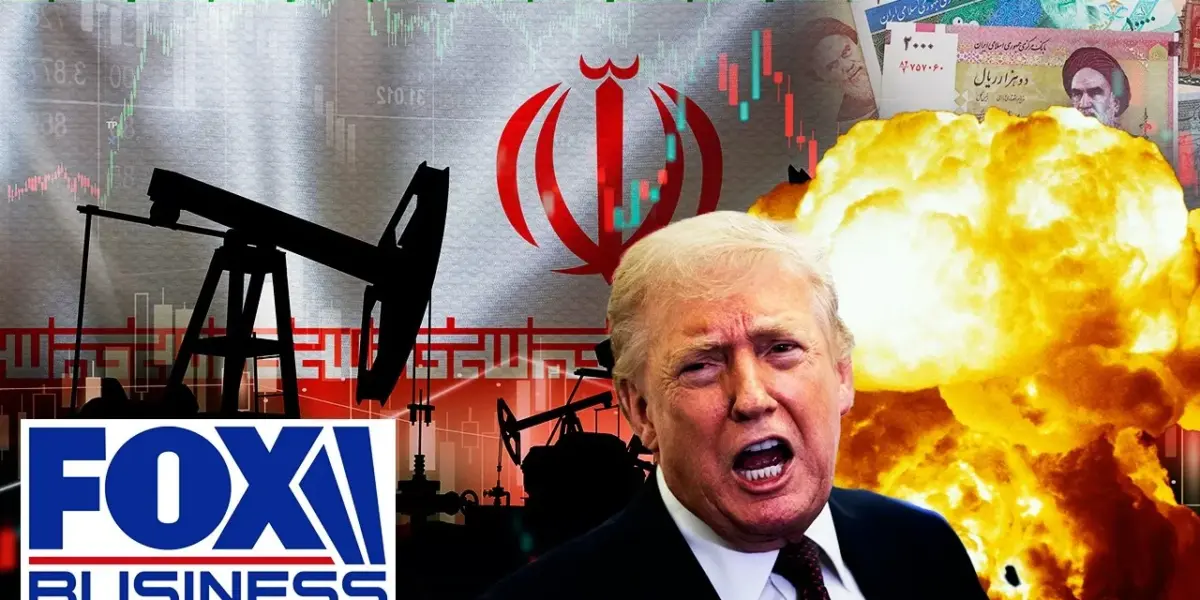
Trump Issues Stark Warning to Iran Over Gas Field Attacks
Former President Donald Trump has issued a strong threat against Iran, vowing to “massively blow up” the South Pars gas field if Iran continues to attack Israeli interests. This warning comes as tensions escalate, leading to higher oil prices and retaliatory strikes on energy infrastructure.
The exchange began after Israel reportedly conducted targeted strikes on Iran’s South Pars gas field. In response, Trump posted on his social media platform, Truth Social, that no further attacks on the field would be tolerated unless Iran attacked Qatar. In such a scenario, the United States, with or without Israel’s help, would unleash unprecedented force on the gas field.
This strong stance highlights the growing energy war and its potential global impact. The conflict has already caused a spike in oil prices, affecting economies worldwide. Iran has also retaliated by targeting Qatar’s liquefied natural gas (LNG) facilities, further intensifying the situation.
Understanding the Stakes: Oil Prices and Global Economy
KT McFarland, a former national security official, explained that Trump’s reluctance to target Iran’s oil and natural gas fields directly stems from a dual concern. Firstly, he understands the significant impact that rising oil and natural gas prices have on both the global and domestic economies. Higher energy costs can slow down business activity and increase expenses for consumers.
Secondly, McFarland pointed to the long-term implications of such actions. The question of who would be in charge and capable of rebuilding Iran after a potential regime collapse is a critical consideration. This suggests a strategic approach aimed at avoiding prolonged conflict and maintaining stability in the region.
McFarland recalled that Iran was once a close ally of the United States during the Nixon administration. She believes Iran could potentially be an ally again. This perspective likely influences Trump’s decision to focus on Iran’s military and nuclear capabilities rather than its economic engine, the oil and gas fields. While he possesses the power to cripple Iran’s economy, his current strategy appears to be more targeted.
Rising Terror Threats and Border Security Concerns
The discussion also touched upon the rising threat of Iranian-linked terror cells within the United States. This concern is amplified by the ongoing shutdown of the Department of Homeland Security, now in its 34th day. Recent investigations into attacks, including one at a Michigan synagogue and a shooting at Old Dominion University, underscore the urgency of the situation.
During a Senate Intelligence Committee hearing, former Congresswoman Tulsi Gabbard highlighted the complex and evolving threat landscape. She noted that various Islamist terrorist groups are actively seeking to spread their ideology globally and harm Americans. Gabbard pointed out that strict border enforcement measures and increased deportations have helped remove potential sources of future attacks.
However, the intelligence community assesses that these groups are developing advanced missile systems capable of reaching the U.S. homeland with both nuclear and conventional payloads. This raises serious questions about the nation’s preparedness and the effectiveness of current security measures.
Criticism of Administration’s Border Policy
McFarland expressed strong criticism of the current administration’s handling of national security threats. She found it “unconscionable” that Democrats seemed to overlook significant threats to the U.S. She attributed some of these threats to “lone wolves” potentially activated or encouraged by anti-American and anti-Israel rhetoric from certain media and political factions.
Furthermore, she pointed to the Biden administration’s “open border policy” as a major security vulnerability. McFarland questioned who might have entered the country unchecked and criticized Democrats for refusing to fund the very agencies responsible for protecting the nation. She emphasized the need to address these threats proactively before Iran acquires nuclear weapons.
The concern is not just about Iran obtaining a nuclear weapon, but also about its development of missiles capable of reaching the United States. McFarland noted that Iran began rebuilding its sites the day after they were attacked, indicating a persistent drive for nuclear capabilities. She believes Iran seeks nuclear weapons to dominate the region and blackmail the world.
The China Connection and Geopolitical Strategy
The conversation also explored the intricate relationship between the Iran conflict and China’s role. Maria Bartiromo questioned the decision to postpone a trip to China amidst the ongoing conflict, especially given China’s support for Iran. China has been a major buyer of Iranian oil, accounting for about 90% of its exports, and has provided other forms of support during the conflict.
McFarland described Donald Trump’s approach as “four-dimensional chess,” suggesting a strategy that encompasses both the Iran nuclear threat and China’s influence. She believes Trump aims to cut off China’s access to cheap energy supplies from Iran, Venezuela, and Russia. This energy is crucial for China’s manufacturing and its position in the emerging information age.
With the United States now being an energy dominant nation, thanks to increased domestic production and control over Venezuelan oil, McFarland sees an opportunity. Ensuring China lacks the necessary energy resources could be a key part of Trump’s strategy to prevent China from surpassing the U.S. in the future information age.
Market Impact and Investor Considerations
Market Impact: The direct military actions and threats concerning Iran’s energy infrastructure have led to increased volatility in global oil and natural gas markets. Spikes in energy prices can ripple through the economy, affecting transportation costs, manufacturing, and consumer spending. Investors should monitor geopolitical developments closely, as they can significantly influence commodity prices and broader market sentiment.
What Investors Should Know: The escalating tensions in the Middle East, particularly involving Iran, underscore the importance of energy security. Investors may consider the potential impact on energy stocks, as well as companies reliant on stable energy prices. The strategic decisions made by global powers regarding energy supply and geopolitical alliances will likely shape market dynamics in the short to medium term. Additionally, concerns about national security and border policies could influence sectors related to defense and homeland security.
Source: 'MASSIVELY BLOW UP': Trump drops MASSIVE threat as energy war ignites (YouTube)

Related Articles

G7 Allies Clash Over Iran War Strategy, Urge Focus on Russia
G7 foreign ministers met in Paris, revealing deep divisions over the U.S. war with Iran. European allies urged the U.S. to pressure Russia, linking its actions to the conflict and fearing support for Ukraine will wane.

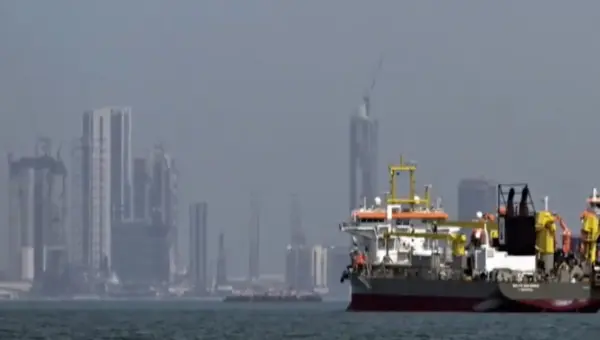
Iran Blocks China Ships, Exposing Beijing’s Weak Grip
Iran's recent decision to block Chinese ships at the Strait of Hormuz is exposing the limits of Beijing's influence in the Middle East. This action is causing delays and cancellations for Chinese manufacturers, turning a perceived geopolitical win into an economic strain.
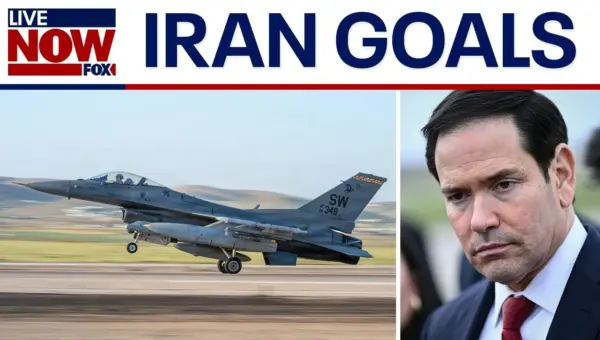
Rubio: US Can Achieve Iran War Goals Without Troops
Senator Marco Rubio outlined a strategy to counter Iran without deploying U.S. ground troops, focusing on weakening the regime and enhancing maritime security. He also criticized Cuba's economic system and expressed concerns about West Bank violence.