Trump Threatens Iran’s Destruction, Hints at Oil Seizure
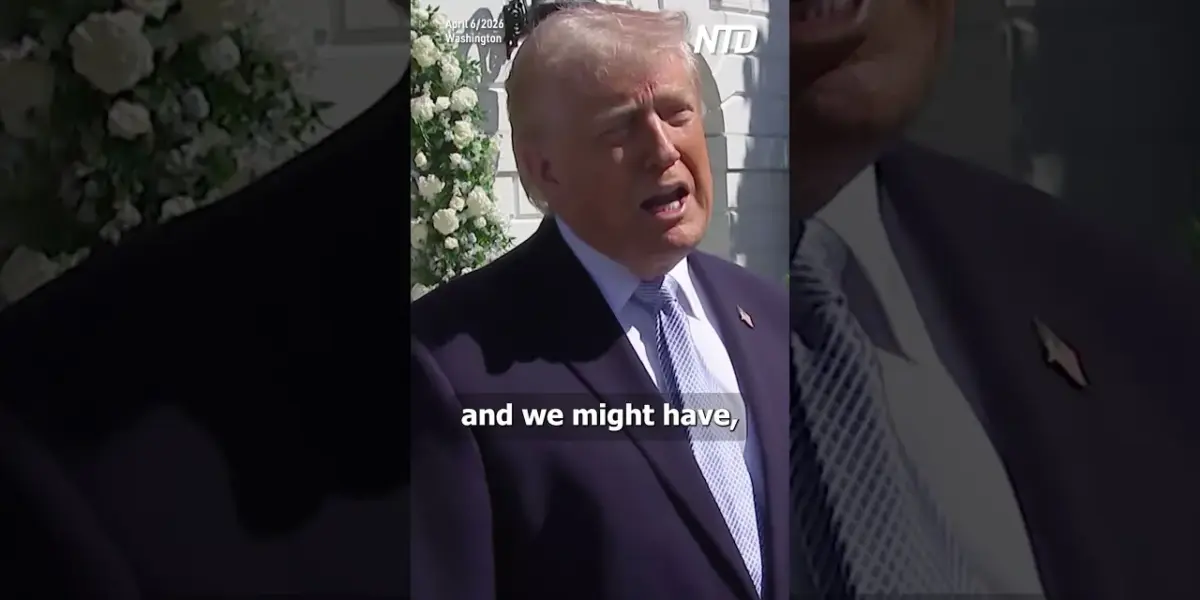
Former President Donald Trump has issued severe threats against Iran, vowing to "obliterate" the country if it doesn't surrender. He also expressed a desire to seize Iran's oil resources, citing it as "there for the taking." These statements highlight a stark and aggressive foreign policy stance.

Trump Threatens Iran’s Destruction, Hints at Oil Seizure
Former President Donald Trump recently made strong statements about Iran, suggesting a complete destruction of the country if it doesn’t comply with unspecified demands. He used vivid language, saying, “We are obliterating that country.” Trump indicated that this level of force would continue until Iran “says uncle,” a phrase meaning they give up. He warned that without surrender, Iran would lose essential infrastructure like bridges and power plants, leaving them with “no anything.”
Beyond the threats of military action, Trump also expressed a desire to take Iran’s oil. He stated, “If I had my choice, what would I like to do? Take the oil.” He believes this would be easy to do, saying, “There’s not a thing they can do about it.” Trump also noted that while he would personally like to take the oil and profit from it, he understands that the American public generally prefers U.S. troops to return home rather than engage in such actions.
Historical Context of U.S.-Iran Relations
The relationship between the United States and Iran has been tense for decades. It began with the 1953 coup that overthrew Iran’s Prime Minister Mohammad Mosaddegh, supported by the U.S. and the UK. This event installed the Shah of Iran, Mohammad Reza Pahlavi, who was friendly with the West. However, resentment grew among Iranians.
The situation drastically changed with the 1979 Iranian Revolution, which overthrew the Shah and established an Islamic Republic. This led to a breakdown in relations, most notably with the Iran hostage crisis, where American diplomats were held captive for 444 days. Since then, the two countries have been adversaries, with ongoing disputes over Iran’s nuclear program, its regional influence, and its support for various groups in the Middle East.
Analyzing Trump’s Rhetoric
Trump’s latest remarks echo his previous approach to foreign policy, often characterized by direct threats and a focus on transactional gains. His suggestion of “obliterating” a country is extreme and goes beyond typical diplomatic language. It brings to mind his administration’s “maximum pressure” campaign against Iran, which involved sanctions and military posturing.
The idea of seizing oil resources is also a provocative one. While nations have historically used economic leverage, outright seizure of another country’s natural resources would be a significant escalation. Trump’s acknowledgment that the American people might not support such a move highlights a potential conflict between his personal inclinations and broader public sentiment or international norms.
Balanced Perspectives and International Law
From a diplomatic standpoint, threats of total destruction are generally condemned. International law aims to prevent aggression and protect the sovereignty of nations. The use of force is typically reserved for self-defense or as authorized by the United Nations Security Council.
On the other hand, some might argue that strong rhetoric is a necessary tool to deter adversaries. Proponents of such approaches might see Trump’s statements as a way to signal U.S. resolve and discourage Iranian aggression or destabilizing activities in the region. However, this often comes with the risk of miscalculation and unintended conflict.
Why This Matters
These statements are significant because they come from a former U.S. President who may potentially run again. His willingness to discuss extreme military action and resource seizure, even if hypothetical, shapes the discourse around foreign policy. Such rhetoric can affect international relations, regional stability, and the perception of American power.
The comments also raise questions about the U.S. role in the Middle East and its approach to diplomacy versus military might. They touch upon long-standing debates about interventionism and the economic interests that often play a role in foreign policy decisions. Understanding these statements requires looking at the history between the two nations and the potential consequences of such aggressive language.
Implications, Trends, and Future Outlook
If Trump were to pursue such policies, the implications would be vast. A direct conflict with Iran could destabilize the entire Middle East, impacting global oil markets and potentially leading to wider regional wars. Seizing oil would be an act of war and would likely be met with severe retaliation.
The trend in international relations often sees a push and pull between aggressive posturing and diplomatic engagement. While some leaders may favor confrontation, many nations still value dialogue and de-escalation. The future outlook for U.S.-Iran relations remains uncertain, but statements like these highlight the potential for increased tension and conflict, depending on who holds power in the U.S. and how Iran responds.
Ultimately, the effectiveness and morality of such extreme threats and actions are subjects of ongoing debate. They test the boundaries of international diplomacy and the principles of national sovereignty.
Source: Trump Says Iran Will Have to Surrender Eventually (YouTube)

Related Articles

Trump Details Daring Iran Airman Rescue Mission
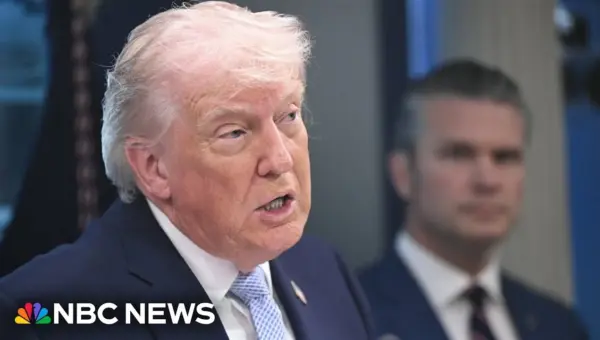
Former President Donald Trump described a daring U.S. military operation to rescue an airman shot down over Iran. The pilot evaded capture for hours in harsh terrain before a massive aerial effort, involving over 150 aircraft and strategic deception, brought him home safely without casualties.

Trump Threatens Iran Amidst Shifting Alliances
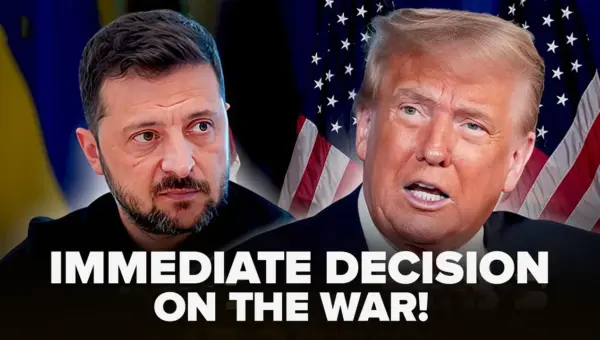
Former President Donald Trump issued a strong warning to Iran, threatening military action to reopen the Strait of Hormuz. Meanwhile, Ukraine pursues deeper diplomatic ties with Turkey and Syria, seeking broader international support amidst shifting global alliances.
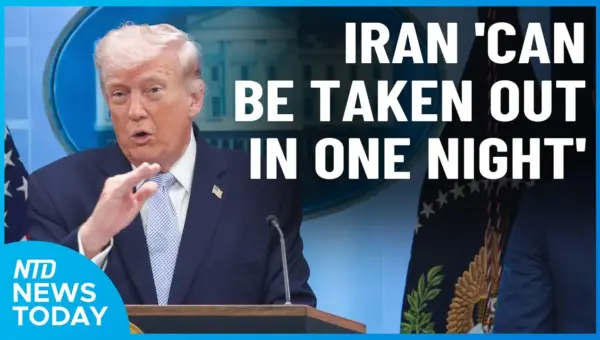
Trump’s Iran Threat: A Risky Game of Diplomacy?
President Trump issued a stern warning to Iran, stating they could be "taken out in one night" if talks fail, while also detailing a successful U.S. airman rescue. This rhetoric highlights the tense geopolitical climate and the delicate balance between deterrence and diplomacy.