Trump Threatens Iran with ‘Power Plant Day’ on Easter
President Trump issued a stern, profanity-laced ultimatum to Iran on Easter Sunday, threatening strikes on critical infrastructure like power plants and bridges if the Strait of Hormuz is not reopened by Tuesday evening. Despite diplomatic efforts by mediating nations, Iran has reportedly refused to negotiate, raising global concerns about potential escalation and economic fallout.

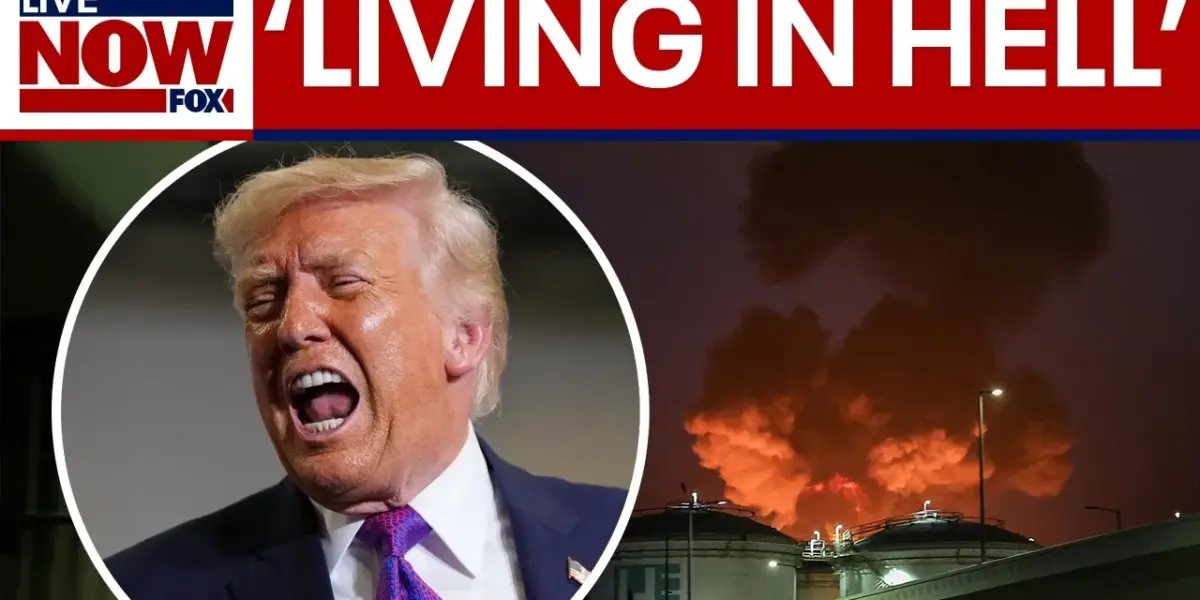
Trump Issues Stark Ultimatum to Iran
On Easter Sunday, President Trump issued a forceful and profanity-laced threat to Iran via social media, setting a new deadline for the country to open the Strait of Hormuz. The president’s post on Truth Social warned that Tuesday would be “power plant day and bridge day all wrapped up in one in Iran,” signaling potential strikes on critical infrastructure if Iran does not comply.
The ultimatum moves the deadline to approximately 8:00 p.m. Eastern time on Tuesday, creating a tense countdown for international relations. This marks an escalation in the ongoing dispute over the vital waterway, which is a major route for global oil transport.
Iran’s Stance and Diplomatic Efforts
Ahmad Sharawi, a research analyst at the FDD, discussed the situation, noting that Iran has shown no indication of meeting the U.S. demands. “All the reporting is indicating that Iran is refusing to negotiate and are putting harsh conditions that the US would never accept in order to reopen the trade,” Sharawi stated.
Mediating countries, including Pakistan, Turkey, and Egypt, have reportedly been trying to extend the deadline. However, Iran appears unwilling to concede on key U.S. demands, particularly concerning the Strait of Hormuz. This deadlock suggests a widening gap between the two nations’ positions.
Global Impact and Potential Retaliation
The closure of the Strait of Hormuz carries significant global economic consequences. Sharawi explained that oil prices have already risen sharply, and the opening of markets this week will reveal the full market impact of the weekend’s events. “The global economy is interconnected, and so the impacts are felt worldwide,” he added.
Should the U.S. carry out strikes on Iranian infrastructure, Iran’s response could be severe. Sharawi warned that desalination plants and oil infrastructure in Gulf states would likely be targeted. “If Iran is attacked, then we will see an increase in these attacks against these Gulf states,” he predicted. Such attacks could lead to a humanitarian catastrophe, especially in smaller nations like Kuwait and Bahrain that lack extensive storage facilities.
U.S. Role in Regional Security
The United States has been actively involved in defending its allies in the region. U.S. air defenses have played a crucial role in intercepting drones and missiles targeting critical facilities. “The US has played an important role in the defense of these countries,” Sharawi noted, emphasizing that many allies understand the necessity of the U.S. stance against Iran’s actions.
The conflict is entering its sixth week, and the timeline for resolution remains uncertain. President Trump has previously suggested a timeframe, but this is dependent on battlefield changes and intelligence regarding Iran’s military capabilities. The U.S. aims to degrade Iran’s ability to wage war and launch attacks.
Iran’s Military Capabilities and Future Threats
Despite U.S. efforts to degrade Iran’s military, the country still possesses the capability to launch drone and missile attacks. Sharawi acknowledged that while the U.S. has significantly reduced Iran’s capacity for large-scale missile launches, ongoing vigilance is necessary.
The Strait of Hormuz is not the only critical choke point; the Bab el-Mandeb strait is also a concern. While Houthi attacks have largely focused on Israel, closing the Bab el-Mandeb could broaden the conflict and potentially draw the U.S. into direct confrontation with the Houthis, a scenario they currently seem intent on avoiding.
Israel’s Alignment and Diplomatic Openings
Israel shares U.S. goals of degrading Iran’s military capabilities for its long-term security. Both nations are aligned in their efforts to counter Iran’s regional influence and its proxies. However, Israel also faces direct threats from Iranian proxies in Lebanon and Yemen, which it is addressing simultaneously.
While President Trump has opened the door for negotiations, and Israel understands the potential need for diplomatic tactics, both countries continue to collaborate on military actions. This includes targeting Iranian military infrastructure and ballistic missile launchers, demonstrating a continued unified front despite talks of diplomacy.
Deadline Extensions and Diplomatic Uncertainty
The possibility of further deadline extensions remains. Mediating nations are actively working to convince President Trump to prolong the ultimatum. The deadline has already been extended once, and future extensions depend on the status of secret negotiations and Iran’s willingness to engage.
As the current deadline approaches, the world watches closely. The coming hours will reveal whether diplomacy prevails or if President Trump’s threat of “power plant day” and “bridge day” will be carried out, potentially leading to a significant escalation in the region.
Source: Trump issues profanity-laced threat to Iran on Easter Sunday (YouTube)

Related Articles
Trump’s Actions Threaten Global Stability, Experts Warn
Political scientist Dr. Larry Jacobs warns that Donald Trump's actions, characterized by "incompetence, insanity and incoherence," pose a threat to global stability. The discussion on "The Weekend Show" examined specific examples and their potential impact on elections and international relations.

Rescued Airman’s Ordeal Highlights Military Resilience, Leadership Concerns
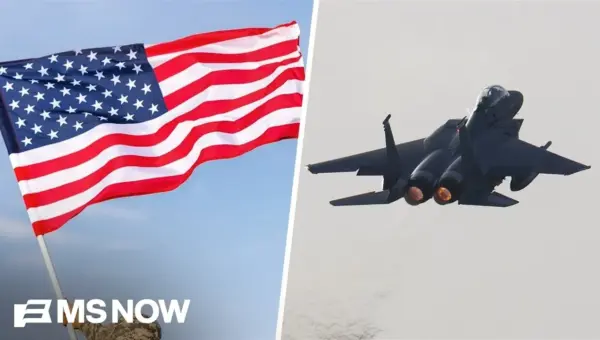
A U.S. Airman survived a harrowing 36-hour ordeal in Iran, demonstrating incredible resilience with only a pistol for defense before a large-scale rescue operation. The event, while a success for military training, has sparked debate over presidential rhetoric and leadership changes causing concern within the Department of Defense.

Trump’s Mail Voting Order May Backfire, Nevada Official Warns
Nevada's Secretary of State Cisco Aguilar is challenging former President Trump's executive order on mail-in voting, calling it unconstitutional and confusing. Aguilar argues states, not the President, control elections and that the order could disenfranchise voters, including Trump's own supporters. The order faces legal challenges over its impact on state election administration and local budgets.