Trump Threatens Iran, Sparking Global Oil Crisis
Former President Trump's threat to Iran over the Strait of Hormuz has ignited a global oil crisis. Conflicting reports, escalating missile strikes, and international backlash paint a grim picture. The world watches as oil markets reel and diplomatic efforts falter.


Trump’s Iran Threat Sparks Global Oil Crisis
On March 30th, 2026, the world held its breath as former President Trump issued a stark warning to Iran. He threatened to destroy Iran’s power plants, oil wells, and other vital infrastructure. This threat came with a condition: Iran must reopen the Strait of Hormuz, a crucial waterway for global oil transport. Trump’s aggressive stance suggests a potential for war crimes, even as he claimed to be having positive discussions with Iran’s leaders.
Conflicting Reports on Iran Negotiations
While Trump insisted that negotiations were moving forward, Iran’s government offered a different story. They called Trump’s proposals “excessive and illogical” and saw no real signs of a deal being reached. This conflicting information created uncertainty, especially with 50,000 American soldiers already stationed in the Middle East. Iran used social media to openly mock Trump’s claims about oil tanker deals and reopening shipping lanes, further fueling regional tensions.
Escalating Conflict and Global Impact
The situation quickly grew more serious. Missile strikes became common across the region. Israel’s Hifa refinery was hit, and an Iranian strike damaged a Kuwaiti power and water facility, causing one death. New satellite images showed fires on key oil pipelines in the United Arab Emirates. This suggested Iran might be targeting alternative shipping routes. A US missile strike in Iran reportedly hit civilian areas, including a school and homes, killing at least 21 people, according to The New York Times.
Oil Market in Turmoil
The global oil market reacted sharply to these events. Analysts warned that the disruption was worse than any previous shock. They noted that the world’s spare oil production capacity was almost completely used up. This meant there was little buffer to make up for lost supply, leading to fears of soaring prices and shortages.
International Pushback and Economic Concerns
European leaders began to express serious concerns. Germany warned that the conflict could have economic consequences as severe as the COVID-19 pandemic. Italy distanced itself from the conflict, with its defense minister stating, “We did not support this war, and no one asked for our opinion.” He added that the length of wars depends on the resistance of the weakest, not just the power of the strongest. Spain took a stronger stance by banning US military aircraft linked to the war from its airspace and bases. This signaled growing international opposition to the conflict.
Domestic Political and Economic Strain
Back in the United States, the conflict placed a strain on domestic resources. Republicans considered cutting federal health spending to fund up to $200 billion for the war and immigration enforcement. Meanwhile, the Department of Homeland Security faced a shutdown. However, TSA workers began receiving back pay, which helped ease massive airport delays caused by the shutdown. In a separate, unusual event, the US Army started an investigation after Apache helicopters flew low over a protest in Nashville and near the home of musician Kid Rock. This display was considered controversial.
Why This Matters
This series of events highlights the volatile nature of international relations and the significant impact that regional conflicts can have on the global economy. The threat to vital shipping lanes like the Strait of Hormuz directly affects the world’s energy supply, influencing everything from gas prices at the pump to the cost of goods. The differing accounts from the US and Iran underscore the challenges of diplomacy in high-stakes situations. Furthermore, the international pushback and economic warnings from allies like Germany and Italy show that such conflicts are not isolated incidents but have far-reaching consequences.
Historical Context and Future Outlook
Tensions between the US and Iran have a long and complex history, marked by periods of confrontation and attempted diplomacy. Previous incidents involving the Strait of Hormuz have often led to spikes in oil prices and increased military presence in the region. The current situation, however, appears to be escalating beyond previous episodes, with direct threats to critical infrastructure and significant international fallout. The involvement of a former president, now acting outside of official government channels, adds another layer of complexity. Looking ahead, the situation remains precarious. The ability of diplomatic channels to de-escalate the conflict will be crucial. The global response, particularly from key allies, will also shape the outcome. The economic repercussions, especially concerning oil supply and prices, are likely to persist, impacting consumers and businesses worldwide. The long-term implications for regional stability and international cooperation remain uncertain, depending heavily on the actions taken by all parties involved in the coming days and weeks.
Source: BREAKING NEWS UPDATES – 3/30/26 – 2:14pm ET (YouTube)

Related Articles
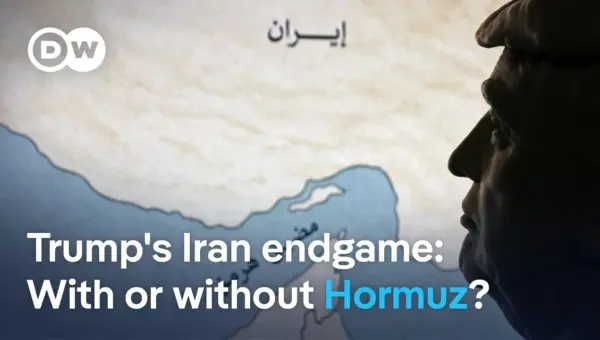
US Weighs Iran Strategy: Hormuz Strait’s Fate Uncertain
The United States is reportedly reconsidering its strategy in the Iran conflict, potentially willing to end hostilities even if the Strait of Hormuz remains closed. This critical oil choke point's closure has trapped thousands of vessels, causing global economic disruption and raising questions about U.S. war objectives. Military action remains a strong possibility to reopen the vital waterway.

Hegseth Undermines Trump’s War Plans Daily
Pete Hegseth, Trump's Secretary of Defense, is reportedly undermining the former president's stated war plans with Iran. Conflicting timelines, shifting objectives, and ethical questions surrounding financial dealings create significant uncertainty. This situation highlights the challenges of clear communication and strategic consistency in national security.


Iran’s Strategy: Humiliate the West, Cause Global Pain
Iran's leaders are reportedly using energy and fertilizer shortages to inflict global pain and humiliate the West. This strategy could lead to a harsh winter for Europe and food crises worldwide. The situation raises concerns about potential military escalation.