Trump Threatens Iran, Pushing Diplomacy Further Away
President Trump's threats to 'obliterate' Iran's Kharg Island and its energy infrastructure are raising alarms and potentially hindering diplomatic efforts. Mixed signals regarding negotiations and a shared 1987 interview clip about seizing Iranian oil have drawn criticism and fueled concerns about U.S. foreign policy aims. Experts question the effectiveness of military pressure, suggesting it may further radicalize the regime and push solutions further away.

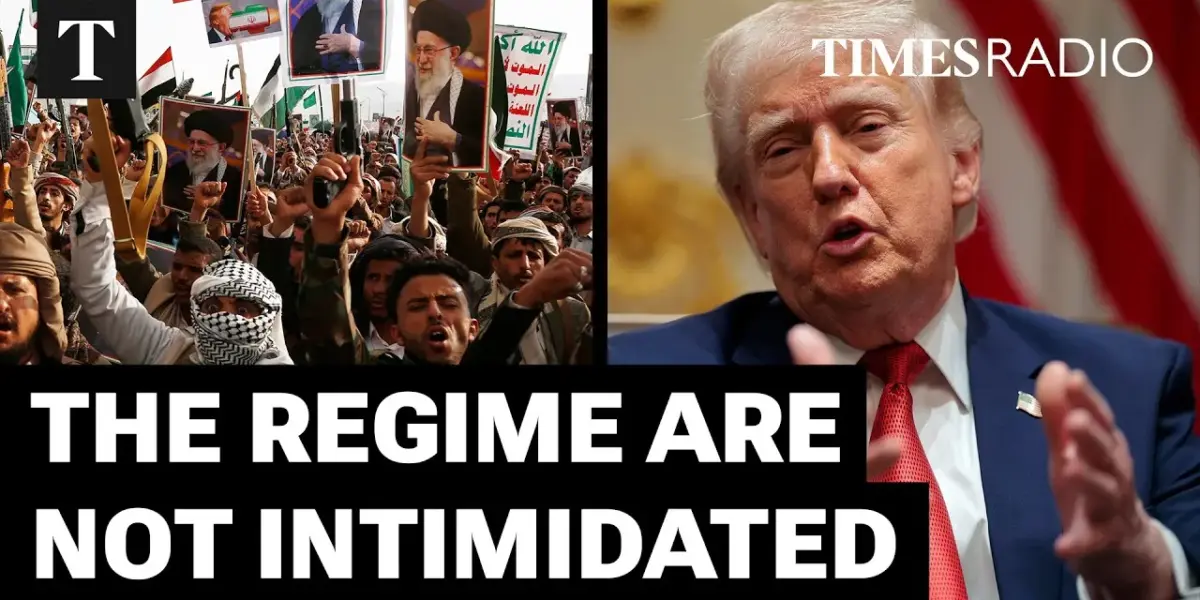
Trump’s Threats to ‘Obliterate’ Iran’s Kharg Island Raise Alarm
President Trump has issued stark warnings to Iran, threatening to ‘obliterate’ Kharg Island and its vital infrastructure, including power plants and oil facilities. These aggressive statements, made via social media, come amid ongoing tensions and a month into the current conflict, raising serious questions about the direction of U.S. foreign policy and the prospects for diplomatic solutions.
Contradictory Signals on Diplomacy
The president’s rhetoric presents a confusing picture. While publicly threatening severe military action, he has also suggested that negotiations with Iran are progressing well. White House Press Secretary Caroline Levit stated that the U.S. armed forces will always act within the law, but emphasized that President Trump intends to pursue the objectives of ‘Operation Epic Fury’ and expects Iran to agree to a deal.
This mixed messaging has drawn criticism. Barbara Leaf, a former U.S. Assistant Secretary of State and Ambassador to the UAE, expressed bewilderment at the president’s approach. “He’s been meandering all over the rhetorical map,” Leaf commented, highlighting the contradiction between threatening civilian infrastructure and then calling Iranian officials “sharp guys” with whom a deal can be made. She believes the situation is moving in an “escalatory direction.”
Echoes of Past Ambitions
Adding to the complexity, President Trump recently shared a 1987 interview clip with Barbara Walters. In the clip, he discusses the idea of taking Iran’s oil. “Why couldn’t we go in and take over some of their oil?” he asked. Sharing this old interview now, as tensions rise, has reinforced concerns among some in the Middle East and beyond about the true aims of U.S. foreign policy.
Leaf described hearing a U.S. president speak this way in 2026 as “extraordinary” and something that “reinforces the worst sorts of conspiracy thinking.” She noted that this kind of talk, especially concerning potential military actions to seize oil, is particularly concerning given the current geopolitical climate.
Prospects for Negotiation Diminish
Experts are skeptical about the effectiveness of Trump’s strategy. Leaf suggests that public threats, delivered in a demeaning way, are less likely to achieve their intended effect. She pointed out that the Iranian regime has become increasingly radicalized over the past month, making it unlikely to be intimidated by rhetoric or even the visible presence of U.S. troops, such as the 82nd Airborne Division.
The idea of using maximum military pressure to force Iran to the negotiating table appears unlikely to succeed, according to Leaf. She stated, “The more that the threats are arrayed publicly and in a sort of derisive fashion, the less likely that it has the intended effect.”
High-Risk Military Operations Considered
Speculation is rife about potential U.S. military actions, including seizing Kharg Island or securing Iran’s uranium stockpiles. However, such operations are fraught with extreme risks. Leaf detailed the immense difficulty of a mission to secure nearly a thousand pounds of highly enriched uranium, warning of dangerous toxic fumes if the canisters are damaged.
She also noted that taking Kharg Island or controlling strategic points on the Iranian side of the Strait of Hormuz presents significant risks with unclear strategic gains. Seasoned military commanders, Leaf mentioned, also question the benefits of such ventures. She suggested that negotiated agreements would be a far better approach to ending the current conflict.
Regional Concerns and Future Outlook
Gulf officials, who wish to remain anonymous, are not optimistic about the current situation. They seek a weakened Iranian regime that can no longer pose a threat to its neighbors. However, they also want to avoid state collapse or a chaotic regime change in Iran.
The current approach, characterized by aggressive threats and contradictory signals, appears to be pushing diplomatic solutions further away. As the conflict continues, the focus remains on whether President Trump’s strategy will lead to a de-escalation or further entrench the region in a dangerous cycle of conflict.
Source: Trump's Threats To 'Obliterate' Kharg Island Are Pushing Negotiations Further Away (YouTube)

Related Articles
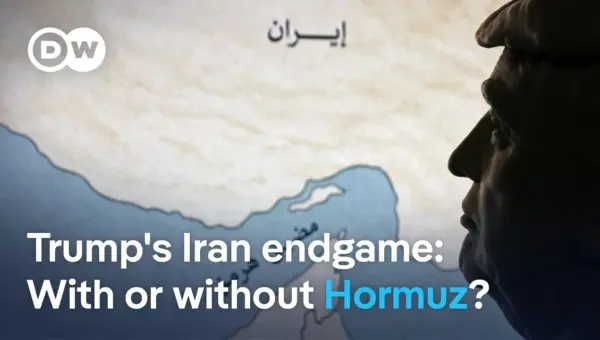
US Weighs Iran Strategy: Hormuz Strait’s Fate Uncertain
The United States is reportedly reconsidering its strategy in the Iran conflict, potentially willing to end hostilities even if the Strait of Hormuz remains closed. This critical oil choke point's closure has trapped thousands of vessels, causing global economic disruption and raising questions about U.S. war objectives. Military action remains a strong possibility to reopen the vital waterway.

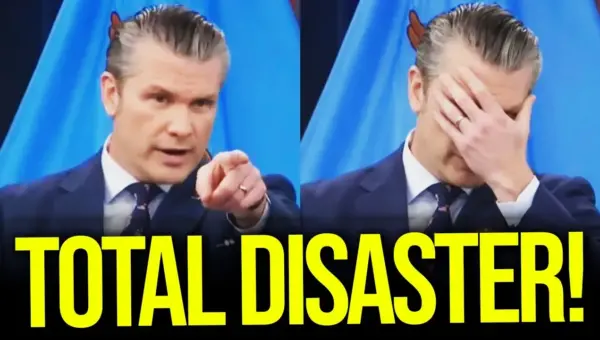
Hegseth Undermines Trump’s War Plans Daily
Pete Hegseth, Trump's Secretary of Defense, is reportedly undermining the former president's stated war plans with Iran. Conflicting timelines, shifting objectives, and ethical questions surrounding financial dealings create significant uncertainty. This situation highlights the challenges of clear communication and strategic consistency in national security.

Iran’s Strategy: Humiliate the West, Cause Global Pain
Iran's leaders are reportedly using energy and fertilizer shortages to inflict global pain and humiliate the West. This strategy could lead to a harsh winter for Europe and food crises worldwide. The situation raises concerns about potential military escalation.