Trump Threatens Iran: ‘Power Plant Bridge Day’ Looms
President Trump has issued a stark warning to Iran, declaring Tuesday 'Power Plant Bridge Day' and threatening severe consequences if a deal isn't reached within 48 hours. This escalation follows the reported killing of senior Iranian intelligence officials and a successful U.S. military rescue operation. Geopolitical tensions are high, but capital markets have remained surprisingly stable, with analysts increasing earnings estimates.

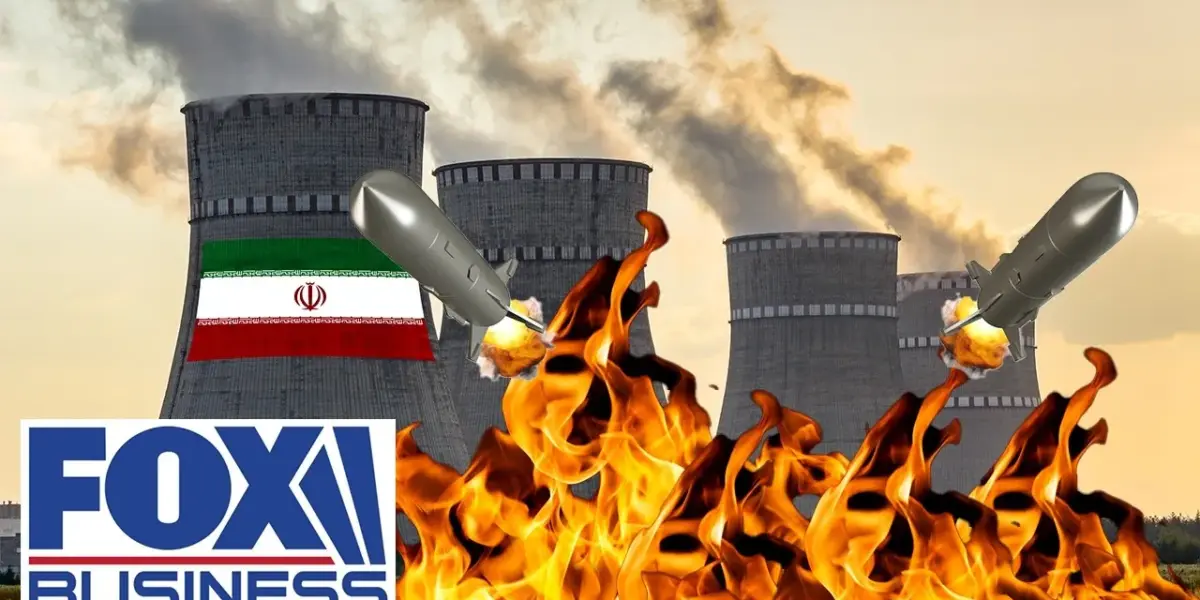
Trump Escalates Tensions with Iran, Threatens “Power Plant Bridge Day”
In a dramatic escalation of rhetoric, President Trump has issued a stark warning to Iran, threatening severe consequences if a deal is not reached within 48 hours. The President declared Tuesday to be “Power Plant Bridge Day,” signaling a readiness to strike Iran’s energy infrastructure if Tehran does not comply with U.S. demands, particularly regarding the reopening of the Strait of Hormuz.
This declaration follows the reported killing of a senior intelligence chief for Iran’s Islamic Revolutionary Guard Corps (IRGC) and another commander of a special operations unit. The U.S. military also successfully rescued an airman shot down over Iran over the weekend. The pilot survived for nearly three hours behind enemy lines, climbing over 7,000 feet to hide in a mountain crevice before activating an emergency beacon. President Trump hailed the rescue as a “miracle” and reaffirmed his commitment to never leaving American warfighters behind.
Geopolitical Tensions and Market Reactions
The heightened tensions come at a critical time for the global economy, with concerns about the Strait of Hormuz, a vital chokepoint for global oil and gas shipments. The conflict is now entering its sixth week, and many had previously worried about a global recession. However, capital markets have shown remarkable resilience, holding up relatively well.
Betting markets indicated a roughly 60% probability of U.S. military strikes on Iranian infrastructure if Iran did not come to the table for a deal. Despite these tensions, the 10-year Treasury yield has remained stable, hovering around 4.3% to 4.4%, suggesting that markets are not anticipating a major spike. Furthermore, analysts are increasing their earnings estimates for companies, indicating expectations for a strong earnings season and a belief that the situation will be resolved.
The Strait of Hormuz: A Critical Global Artery
The Strait of Hormuz is crucial for the global economy, not just for oil and gas. Its closure impacts more than just energy prices; it affects the entire global economic system. For weeks, the international community has been focused on this waterway. The U.S. had initially been mediating a 45-day ceasefire that could have led to a permanent end to the conflict.
The President’s strong stance is also supported by allies. Officials in the UAE have stated they will join the United States if military action is needed to open the Strait. This partnership with Gulf states, built by President Trump, is seen as strong and could contribute to a resolution. The involvement of these Gulf partners sends a powerful message to Iran that it cannot continue to be a destabilizing force in the Middle East.
Russia’s Role and Oil Prices
The situation also benefits Russia, which is effectively profiting from higher oil prices. Brent crude has been trading around $108 per barrel, and West Texas Intermediate (WTI) at $110. Russia, like other major global players such as China and Europe, needs the Strait of Hormuz to remain open. The fact that Russia is the primary beneficiary of the current situation, where the Strait is effectively closed, suggests that there is a strong global incentive to see it reopened.
Domestic Impact: Gas Prices and Political Pressure
Higher oil prices directly impact domestic gasoline prices. The average price for a gallon of gas is currently around $4.12, up from $4.11 the previous day. These prices add significant political pressure on the administration. President Trump is aware of this, as rising gas prices resonate with the public. The hope is that the futures market will see prices drop significantly, potentially bringing the cost per gallon back under $3 this summer.
Market Impact: What Investors Should Know
While geopolitical tensions are high, capital markets have remained relatively stable. The 10-year Treasury yield has not seen a significant spike, and analysts are revising earnings estimates upward. This suggests that many investors believe the situation will be resolved, potentially through a deal or through decisive action that quickly reopens critical trade routes.
The Strait of Hormuz remains a key focus. Any disruption there has immediate and far-reaching consequences for global energy supplies and prices. The involvement of allies like the UAE in potential actions to reopen the Strait reinforces the international pressure on Iran. While Russia benefits from higher oil prices, the broader global interest in open trade routes suggests a strong impetus for resolution.
For investors, the key takeaway is to monitor the developments surrounding Iran and the Strait of Hormuz closely. While markets have shown resilience, the situation remains fluid. The potential for significant shifts in energy prices and global trade could impact various sectors. The focus on earnings season and stable Treasury yields offers some reassurance, but the geopolitical backdrop remains a critical factor to watch.
Source: 'POWER PLANT BRIDGE DAY': What Trump’s plan could TRIGGER (YouTube)

Related Articles
Trump’s Influence Fuels Legal Chaos in Colorado
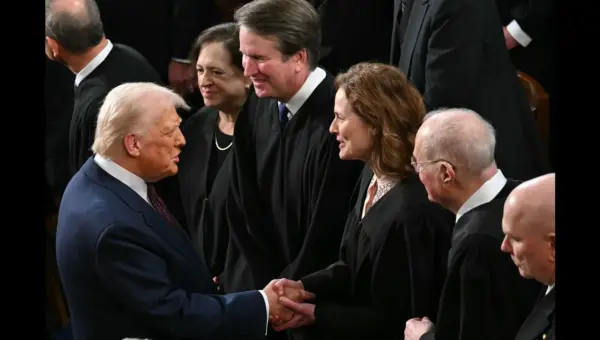
A Colorado appeals court has overturned Tina Peters' 9-year prison sentence, but her conviction remains. This decision has sparked debate about political influence on the justice system and the consequences of election denial.
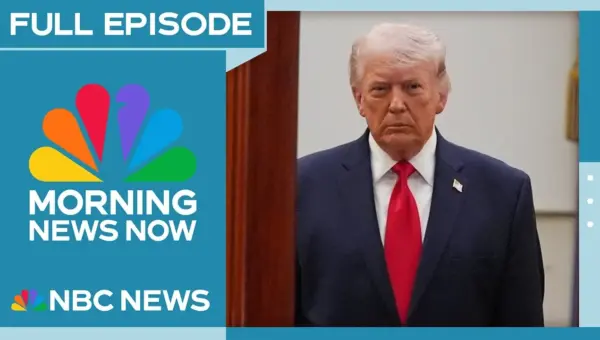
Trump Warns Iran, Faces Criticism Amid Escalating Tensions
President Trump issued a series of strong warnings to Iran, setting a deadline for the reopening of the Strait of Hormuz and threatening severe consequences. Meanwhile, the U.S. military successfully rescued a second airman downed in Iran. Democrats criticized the President's rhetoric, calling it dangerous, while economic impacts of the conflict, including rising gas prices, are being felt at home. In space news, NASA's Artemis II crew is set to make history with a lunar flyby, and Pope Francis called for peace on Easter amidst global conflicts.
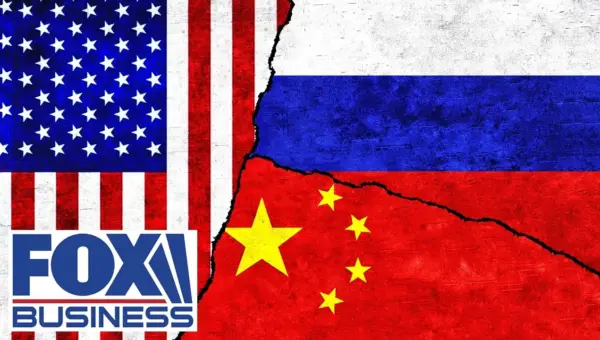
China-Russia Alliance Risks Global Energy & Security
A growing alliance between China and Russia is creating ripples in global energy markets and security. China's reliance on Middle Eastern oil, coupled with potential disruptions in the Strait of Hormuz, could lead to higher prices and economic strain. Meanwhile, China's increasing assertiveness in the Indo-Pacific and its advancements in drone technology raise further concerns.