Trump Threatens Iran Gas Field Amid Regional Energy Crisis
Attacks on energy facilities in Iran and Qatar have caused oil prices to skyrocket, leading to economic instability and confusion over U.S. involvement. Former President Trump denies U.S. awareness of an Israeli strike on the South Pars gas field, while other reports suggest prior notification.

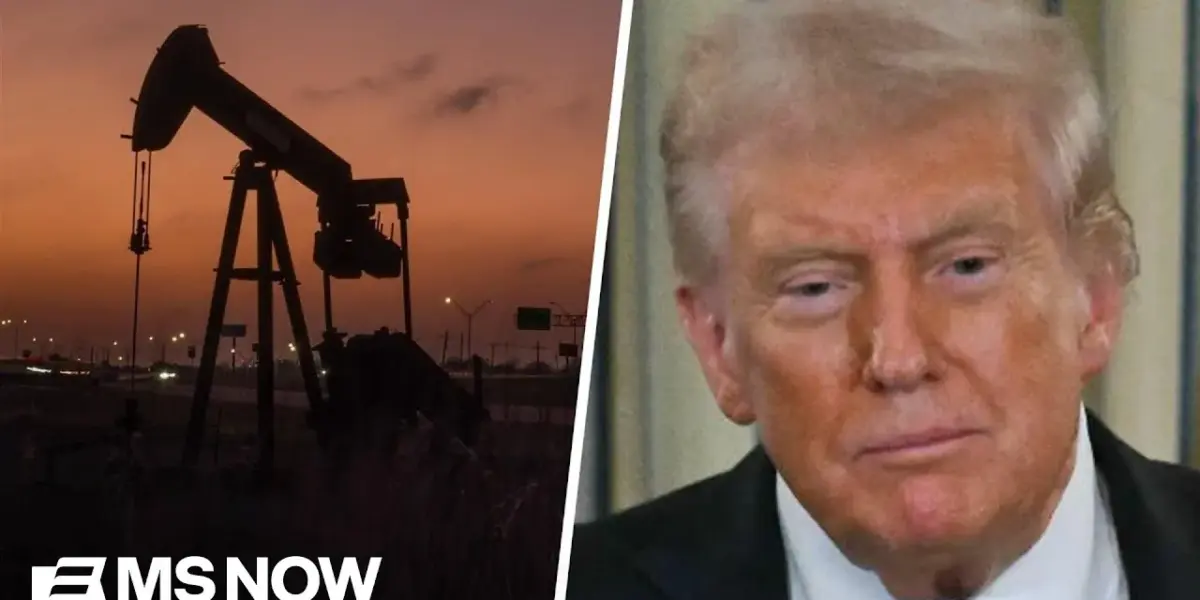
Middle East Energy Facilities Targeted, Prices Spike
Recent attacks on energy facilities in Iran and Qatar have sent shockwaves through global markets, causing Brent crude futures to surge to $119 a barrel. These strikes, described as a “worst-case scenario,” hit the heart of global oil production, impacting economies worldwide. The attacks specifically targeted a natural gas processing plant, halting production and leading to a 30 percent jump in natural gas prices in Europe. This disruption also affects oil shipments, with Saudi Arabia reportedly cutting its own oil pumping due to storage issues. Experts warn that if these attacks continue, the entire energy system could be disrupted, leading to weeks of price hikes and potential shortages.
Confusion Over U.S. Knowledge of Israeli Strikes
Amidst the escalating tensions, there is significant confusion regarding the U.S. awareness of an Israeli strike on the South Pars gas field. Former President Donald Trump posted on social media that the U.S. was unaware of the Israeli plans. However, other reports, including one from The Wall Street Journal citing American and Israeli officials, suggest the U.S. was informed and had no objections. This lack of clarity raises questions about U.S. involvement and its stance on the actions taken. Experts believe it is highly probable that the U.S. knew about the planned attack, given the close cooperation between the two air forces to prevent accidental conflict. The argument may have been made that if Iran was striking Gulf refineries, Israel needed to respond.
Escalation and Global Economic Impact
The recent attacks represent a significant escalation in the region. Crude oil prices have skyrocketed, and gas prices at the pump have increased by over 80 percent in just a few weeks. This price surge presents a substantial financial benefit to the Russian government, whose budget relies heavily on oil and gas revenues. The increased income could be used to fund its military operations, including the war in Ukraine. The situation is so severe that U.S. Treasury Secretary Scott Bessent has discussed potentially removing sanctions on Iranian oil currently at sea, aiming to increase supply and lower prices for consumers.
Iran’s Neighbors Call for De-escalation
In response to the mounting instability, the foreign ministers of 12 Arab and Islamic countries have urged Iran to halt its attacks on neighboring nations. Saudi Arabia has stated that any remaining trust has been completely shattered. Iran’s actions, including drone and projectile attacks on its neighbors, are seen as a strategic misstep. Many of these nations were not directly involved in the recent military campaigns. There are significant questions about the Iranian government’s control, with its military structure becoming increasingly decentralized. This makes it difficult to provide assurances and manage strategic decisions effectively, especially after facing successful U.S. military campaigns.
Market Fears Long-Term Energy Instability
The ongoing conflict and its impact on energy supplies are causing analysts and market participants to anticipate a long-term imbalance between oil supply and demand. This expectation is likely to keep oil prices elevated in the medium term. The global markets are primarily seeking stability and a clear timeline for the end of the conflict and the resumption of normal energy flows. With no end in sight and continued reports of further escalation, including a potential $200 billion funding request from the Pentagon, the situation remains highly volatile.
This article covers the recent attacks on energy facilities in the Middle East, the resulting spike in oil and gas prices, and the confusion surrounding U.S. knowledge of Israeli actions. It also explores the global economic implications, including the benefits to Russia, and the calls for de-escalation from Iran’s neighbors.
Source: Trump threatens to 'blow up' Iranian gas field if Tehran responds to strike (YouTube)

Related Articles

Iran’s Capabilities Destroyed, Stocks to Soar: Analyst
Geopolitical analysis suggests Iran's military capabilities are nearing destruction, paving the way for U.S. control of the Strait of Hormuz. This resolution is expected to lower oil prices and significantly boost the stock market, according to market watchers.


MAGA Base Questions Trump’s Grip at Chaotic CPAC
A conservative gathering revealed surprising dissent within the MAGA base, with attendees booing impeachment. This, coupled with government shutdowns and electoral losses, signals potential shifts in the party's direction and priorities.


Trump Flirts With Host, Dodges Iran Human Rights Question
During an interview, Donald Trump deflected a question about the human rights situation in Iran. Instead of answering, he reminisced about a past lunch and complimented the interviewer's appearance. This exchange highlights a trend in political communication where personal interactions can overshadow serious global issues.