Trump Threatens Iran: Deal or Face Unholy Wrath
President Trump has issued a stern warning to Iran, demanding they negotiate a deal with the US before it's too late. The administration is prepared to escalate military action significantly if Iran refuses to come to the table. This high-stakes standoff involves strategic military strikes and questions about international cooperation.

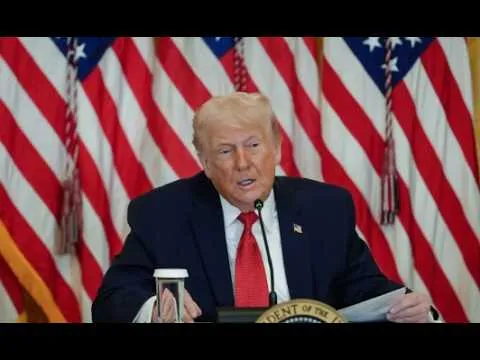
Trump Issues Stark Warning to Iran: Negotiate or Suffer Consequences
President Trump has sent a clear and forceful message to Iran: come to the negotiating table now, or face severe repercussions. The White House has stated that the president is prepared to take extreme action if Iran does not agree to a deal. This situation highlights a critical moment in international relations, where diplomacy is being tested against the threat of military escalation.
A Demand for Dialogue
The president’s warning, delivered via his social media platform, urges Iranian leaders to seek an agreement with the United States promptly. He emphasized that time is running out and that there will be no turning back once a certain point is reached. President Trump also pushed back against Iran’s public denials of engaging in talks, suggesting that their leaders are publicly rejecting a deal out of fear of their own people or potential retaliation.
“They are negotiating, by the way, and they want to make a deal so badly, but they’re afraid to say it because they figure they’ll be killed by their own people. They’re also afraid they’ll be killed by us.”
This statement suggests a complex internal dynamic within Iran that the US believes it can exploit. The president’s remarks imply that Iran’s public stance does not reflect its private desires or needs.
Military Pressure Mounts
Simultaneously, the US military has been applying significant pressure on Iran. Operation Epic Fury has reportedly resulted in striking over 10,000 targets, destroying a substantial portion of Iran’s naval capabilities, particularly its drone and missile production sites. This military action is clearly intended to strengthen the US’s negotiating position.
Furthermore, thousands of additional US forces are being deployed to the region. The White House has explicitly warned that if Iran does not engage in negotiations and reach an agreement, President Trump is ready to “unleash hell.” This phrase signals a readiness for a significant military response that would be far more intense than anything seen before.
“But if Iran fails to accept the reality of the current moment, if they fail to understand that they have been defeated militarily and will continue to be, President Trump will ensure they are hit harder than they have ever been hit before. President Trump does not bluff and he is prepared to unleash hell.”
This strong language suggests that the administration views the current military actions as a prelude to potentially larger-scale operations if diplomacy fails.
Strategic Strikes and Regional Alliances
Adding to the pressure, Israel has confirmed the killing of an Iranian naval commander. This individual was reportedly responsible for blocking the Strait of Hormuz, a vital waterway for global oil transport. The US has also been actively targeting Iranian mine-laying boats and coastal sites around the strait, aiming to keep this critical passage open.
In a separate but related point, President Trump has criticized NATO allies for their perceived lack of assistance in securing the Strait of Hormuz. He stated that while the US does not need NATO, the lack of support during this critical time will be remembered. This criticism points to a potential strain in US relations with its traditional allies, suggesting an expectation of greater burden-sharing in security matters.
Looking Ahead: The Cabinet Meeting
The president was scheduled to hold his eleventh cabinet meeting of his second term, his first since the conflict in Iran escalated. Such meetings are often used to discuss ongoing strategies and policy decisions. The developments surrounding Iran are expected to be a central topic of discussion, both domestically and internationally.
Why This Matters
This situation is significant because it involves potential military conflict in a strategically crucial region. The Strait of Hormuz is a chokepoint for a large percentage of the world’s oil supply. Any disruption there could have severe global economic consequences. The strong rhetoric from President Trump, combined with military deployments and actions, indicates a high-stakes standoff. It also raises questions about the effectiveness of military pressure as a tool for diplomatic resolution and the future of international cooperation in security matters.
Historical Context
Tensions between the United States and Iran have a long history, dating back to the 1979 Iranian Revolution. The US has often viewed Iran’s regional influence and nuclear program as a threat, while Iran sees US actions as interference in its internal affairs and a form of aggression. Previous US administrations have used sanctions and military posturing to influence Iran’s behavior. President Trump’s approach, characterized by direct warnings and a willingness to escalate, represents a continuation and intensification of this long-standing dynamic.
Implications and Future Outlook
The immediate implication is the heightened risk of military conflict. If negotiations fail, the US military is prepared to act decisively. This could lead to a wider regional conflict, with unpredictable consequences. On the diplomatic front, Iran’s internal political situation appears to be a key factor. If the current leadership is indeed afraid to make a deal, it suggests that external pressure might not be enough to achieve a breakthrough. The criticism of NATO allies also points to a potential shift in how the US engages with its partners, possibly seeking more unilateral actions or demanding greater contributions from allies. The coming weeks will be crucial in determining whether diplomacy or military action will shape the future relationship between the US and Iran.
Source: Trump Warns Iran to Negotiate Before ‘It's Too Late’ (YouTube)

Related Articles
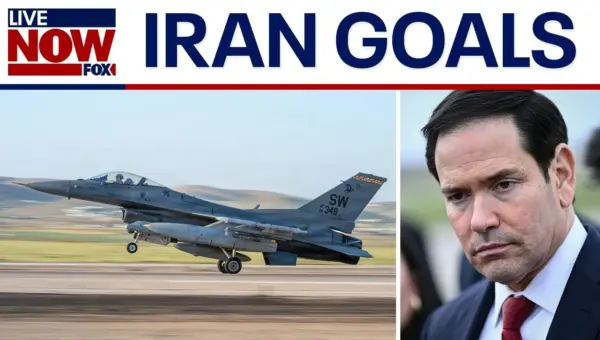
Rubio: US Can Achieve Iran War Goals Without Troops
Senator Marco Rubio outlined a strategy to counter Iran without deploying U.S. ground troops, focusing on weakening the regime and enhancing maritime security. He also criticized Cuba's economic system and expressed concerns about West Bank violence.
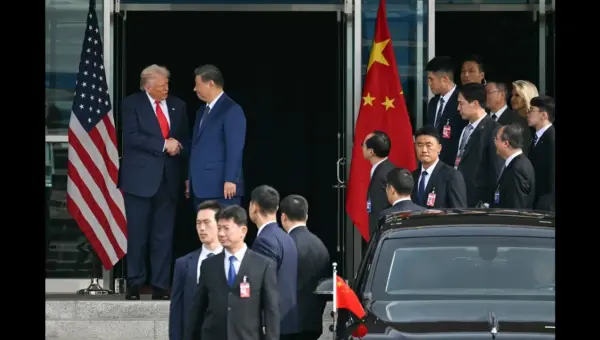
Trump’s “Walk Away” Tactic Signals Tougher Stance on China
Retired Air Force Brigadier General David Stillwell believes President Trump's strategy of being willing to walk away from negotiations puts pressure on China. This tactic, combined with US global actions and strengthened alliances, signals a more assertive American foreign policy.


Israel Escalates Iran Strikes, Warns of Wider War
Israel has launched significant strikes inside Iran following continued missile fire, warning of further escalation. The conflict risks wider regional instability and economic disruption, especially concerning the Strait of Hormuz.