Trump Threatens Iran: Deadline Looms for Strait of Hormuz
President Trump has set a Tuesday evening deadline for Iran to reopen the Strait of Hormuz, threatening U.S. strikes on Iranian infrastructure if demands are not met. Despite escalating rhetoric and concerns about war crimes, diplomatic channels remain open, with both sides engaged in negotiations.

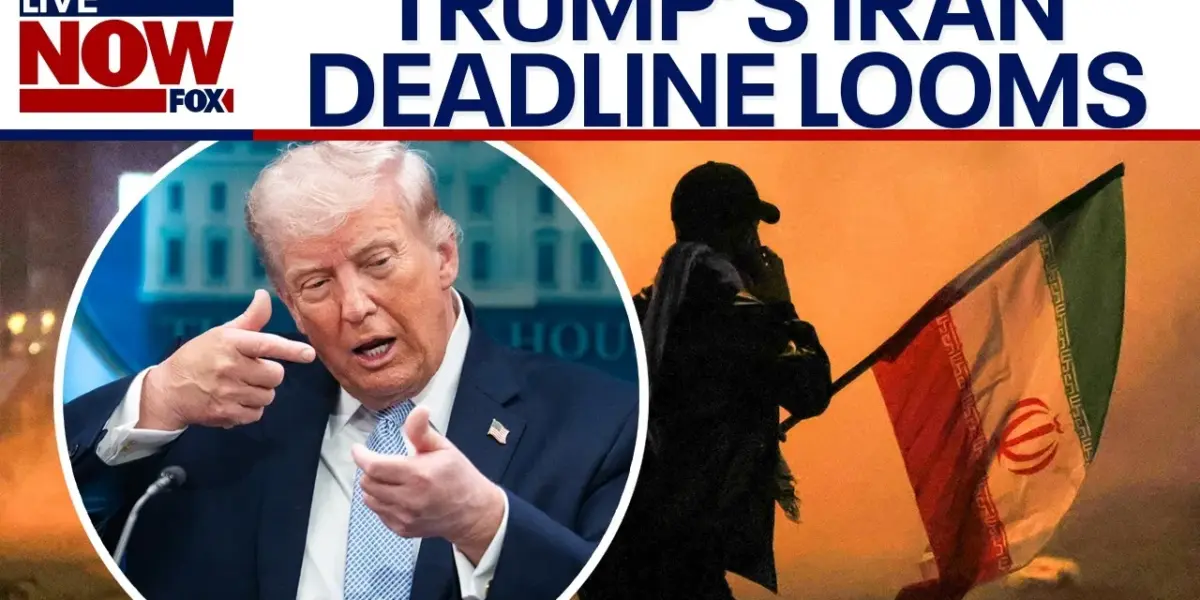
Trump Sets Tuesday Deadline for Iran to Reopen Strait of Hormuz
President Donald Trump has issued a firm deadline for Iran to reopen the vital Strait of Hormuz to commercial shipping. The President stated that Iran has until 8:00 PM Eastern Time on Tuesday to comply. If Iran does not meet this demand, the United States will launch attacks targeting Iran’s power plants and bridges, according to a White House press conference.
Mixed Signals from the White House
During a lengthy press conference, President Trump presented a complex message. He reiterated threats to strike civilian infrastructure, including bridges and power plants, and even suggested the possibility of devastating attacks that could “wipe the entire nation off the map.” However, he also expressed a desire to avoid widening the conflict and emphasized his preference for negotiations. These negotiations, he noted, have not yet yielded major breakthroughs.
Adding another layer to his remarks, Trump, speaking earlier on the White House lawn, likened the situation to a business deal. He suggested the U.S. military could quickly enter Iran, seize oil assets, and “finish the job” for profit, implying public impatience for a swift resolution.
Will Weisert, an Associated Press reporter who attended the press conference, summarized the president’s approach as wanting to show he has “a lot of options.” Trump appears to want the flexibility to escalate the conflict, attack more targets, or pursue a deal, aiming to control the direction of the situation.
Unforeseen Consequences and Limited Options
Weisert also offered a contrasting perspective, highlighting the unforeseen consequences of the conflict over the past seven weeks. Iran has effectively closed the Strait of Hormuz, and there appears to be no clear plan to reopen it short of a negotiated settlement. This situation suggests that the U.S. may now have fewer options than before the conflict began.
The approaching 8:00 PM deadline on Tuesday is therefore seen as a critical juncture. The markets have reacted to Trump’s pronouncements, with oil prices rising and stock markets falling when escalation seems likely, and rallying when diplomatic breakthroughs appear possible.
War Crimes Concerns and Presidential Response
The potential U.S. strikes on civilian infrastructure have drawn strong warnings from the United Nations and legal experts, who have stated such actions could constitute war crimes. When questioned about this, President Trump dismissed the concerns, stating, “I’m not concerned about that. I don’t, you know, this is not something that’s going to factor into my calculus.” White House Press Secretary Caroline Levit argued that Iran is at war with the U.S. and that war crimes should not impede military actions.
President Trump also suggested that Iranian civilians might welcome such attacks as a means to rise up against an unpopular regime. However, Weisert noted that the situation on the ground is more complex. While protests have occurred, the current government, led by a more radical supreme leader, maintains control. Weisert questioned whether widespread uprisings would occur following significant bombing, especially given the potential for increased civilian casualties.
Economic and Political Repercussions
If a large-scale bombing campaign were to commence, the fallout would be immense. Beyond the immediate humanitarian concerns, there would be significant military follow-up questions, as air strikes alone might not be sufficient. The economic impact, particularly rising gas prices, is already sending shockwaves through the U.S. and global economies.
These economic pressures are politically significant, especially with midterm elections approaching. High gas prices and public dissatisfaction with the handling of the Iran situation could affect voter sentiment and potentially impact the Republican party’s control of Congress. The White House is keenly aware that a negative outcome could complicate the president’s agenda and lead to increased scrutiny.
Negotiations and the Path Forward
Despite the threats, there are ongoing diplomatic efforts. A recent proposal from the U.S. and its allies for a 45-day ceasefire, during which Iran would work to reopen the Strait of Hormuz, was rejected by Iran. Tehran instead submitted its own 10-point plan for a more permanent peace.
Both sides are talking, and President Trump has acknowledged a “willing participant on the other side” interested in making a deal. While a comprehensive agreement within 24 hours seems unlikely, progress could lead Trump to extend his deadline. The coming hours are crucial, with potential developments impacting not only the U.S. and Iran but the entire world.
The visual of a destroyed bridge in Iran, shown in the video, serves as a stark reminder of the potential devastation should President Trump follow through with his threats.
Source: Middle East latest: Trump threatens to hit Iran's infrastructure as deadline nears (YouTube)

Related Articles
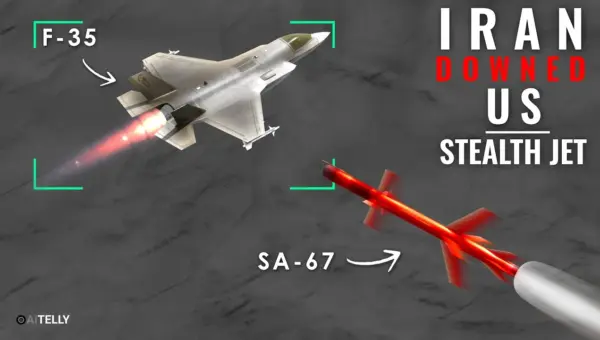
Iran Hits F-35: Stealth’s Heat Signature Becomes Deadly Weakness
An F-35 stealth fighter was reportedly hit by an Iranian missile, exposing a key vulnerability: its heat signature. This incident highlights how advanced infrared detection can challenge even the most advanced stealth technology, forcing a reevaluation of air combat strategies.


Dem Rep. Calls Trump’s Iran Threats ‘Apocalyptic’
Democratic Congresswoman Yasemin Anzari has strongly condemned President Trump's "apocalyptic" threats against Iran, warning of potential genocide and nuclear war. She is calling for the 25th Amendment to be invoked and is introducing articles of impeachment against Defense Secretary Pete Hegseth. Anzari fears the President's rhetoric could strengthen the Iranian regime and harm its people.
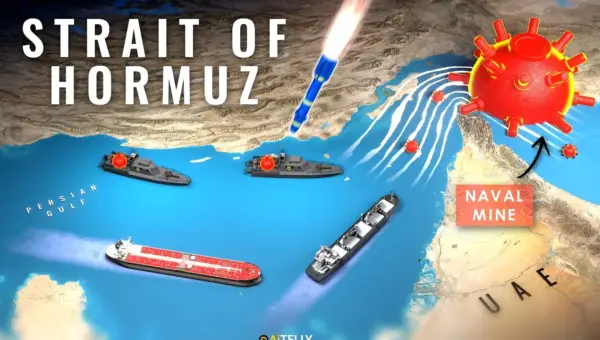
US Strikes Iran’s ‘Mosquito Fleet’ to Secure Oil Lanes
Iran's use of naval mines and fast attack boats in the Strait of Hormuz prompted a decisive US response. The US employed a preemptive strategy, striking mine-laying ships and storage facilities with precision-guided missiles and bombs.