Trump Threatens Iran: Bridges, Power Plants Next Targets
President Trump has escalated his rhetoric against Iran, threatening to target critical infrastructure like bridges and power plants. These comments come amidst ongoing military operations and a recent shake-up in Army leadership. Geopolitics experts suggest this is a strategic move to pressure Iran's hardliners, with a focus on concluding operations swiftly.

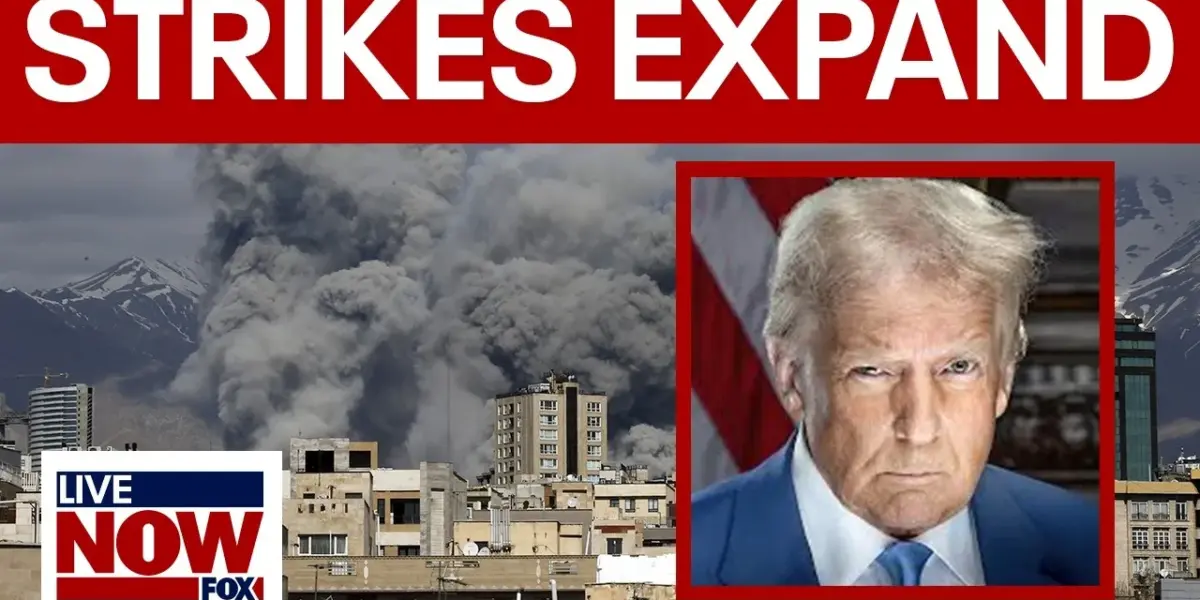
Trump Escalates Rhetoric on Iran, Cites Infrastructure Targets
President Trump has issued a stark warning regarding potential U.S. military actions against Iran, stating that bridges and electric power plants could become targets. The comments, made via a post on Truth Social early this morning, signal a potentially significant escalation in the ongoing conflict.
“Our military, the greatest and most powerful by far anywhere in the world, hasn’t even started destroying what’s left in Iran,” Trump wrote. “Bridges next. Then electric power plants. New regime leadership knows what has to be done and has to be done fast.”
These remarks come at a tense moment, with the U.S. continuing military operations in the region. The statement also follows a recent announcement from the Pentagon: Defense Secretary Pete Hegs has asked for the resignation of General Randy George, the Army’s top uniformed officer. The reason for this departure was not provided, adding another layer of uncertainty to the military’s leadership during this critical period.
Broader Context: A Pattern of Escalation
This latest statement from President Trump is not an isolated incident. It follows his address to the nation earlier this week, where he declared that U.S. forces would continue to strike Iran “very hard” over the next two to three weeks, aiming to bring the country “back to the stone ages.” He also claimed that all U.S. objectives had been met or exceeded.
Meanwhile, Iran has reportedly continued to fire missiles at Israel and Gulf Arab states. A spokesperson for Iran’s military insisted that the country maintains stockpiles of arms, munitions, and production facilities, indicating a readiness to continue its actions.
Geopolitics expert Saab Szykoula commented on the situation, suggesting that President Trump’s strategy from the outset was to prevent Iran from becoming a nuclear power, destroy its ballistic missile capability, and eliminate its top leadership. “That’s happened,” Szykoula stated, referring to past actions, though he acknowledged that war situations are always evolving.
Interpreting Trump’s Strategy and Future Outlook
Szykoula interprets Trump’s recent threats as a signal to the remaining hardliners within Iran’s leadership. “They are trying to be the holdouts. They are the ones who are attacking civilian facilities in the Middle East,” he explained, suggesting these actions justify the military response.
The expert also touched upon the potential for a swift end to the conflict. “President Trump and his closest advisers realize that’s the reason why you saw in his address to the nation he spoke about 2 to 3 weeks because he wants to get the job done,” Szykoula said. He believes the goal is to avoid a long-term operation and protect American troops.
Looking ahead, Szykoula outlined two potential paths: diplomacy and further escalation. He noted that while diplomacy is ongoing, it faces challenges due to the lack of direct contact between the U.S. and Iran, relying instead on mediators like Pakistan, whose intentions he questioned.
The second path involves Iran’s potential for further escalation. Szykoula anticipates that the U.S. and its allies may work to secure the Strait of Hormuz, a critical chokepoint for global trade. He mentioned that countries like India, with significant strategic interests, might join efforts to ensure the strait’s freedom from Iranian control.
“Bridges next. Then electric power plants. New regime leadership knows what has to be done and has to be done fast.” – President Trump
Regional Tensions and Potential Retaliation
The expert also addressed the interconnectedness of regional fronts, specifically mentioning Israel’s expanding operations against Hezbollah in Lebanon. “Clearly sends out a message that they, the U.S., and Israel will not stop,” Szykoula stated, viewing these actions as part of a well-orchestrated strategy.
He acknowledged that Iran and its funded terror groups might attempt counter-strikes. “But I think, they’re well prepared to take on these threats,” he concluded, suggesting that significant further escalation from this route is unlikely.
What’s Next?
The coming weeks will be crucial in observing whether President Trump’s threats translate into further military action against Iranian infrastructure. The situation remains volatile, with the potential for both diplomatic breakthroughs and continued military pressure. The focus will be on whether Iran’s leadership chooses to de-escalate or continues its current course, and how U.S. policy evolves in response.
Source: Trump threatens expanded strikes on Iran, "Bridges next, then Electric Power Plants" (YouTube)

Related Articles
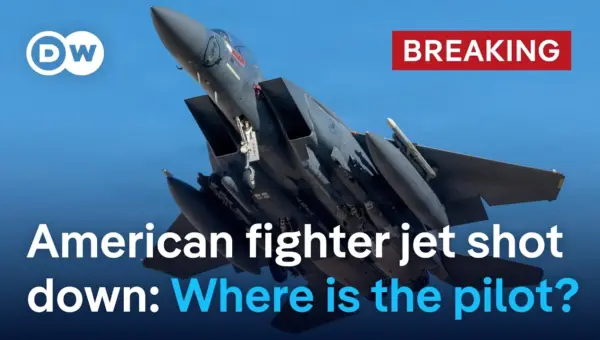
US Jet Downed in Iran: Crew Fate Unknown, War Unpopular
An American F-15 fighter jet has been shot down over Iran, with U.S. officials confirming the loss but offering few details on the crew's fate. The incident occurs amid widespread public opposition to the war and raises questions about Iran's air defense capabilities.
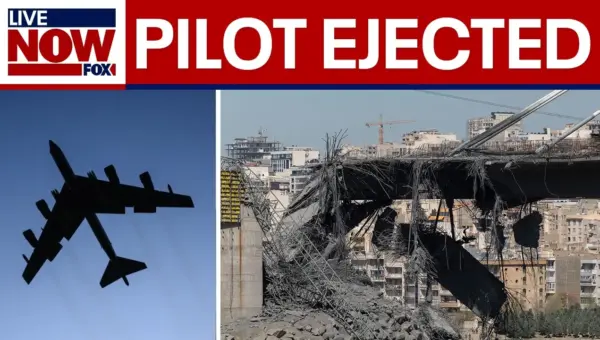
Iran Claims US Pilot Ejected; US Silent Amid Escalating Tensions
Iran claims a U.S. pilot ejected from a fighter jet over its territory, offering a reward for capture. The U.S. has not confirmed the report amid escalating regional tensions. Military experts discuss the strategic implications of U.S. strikes and the potential for internal change in Iran.
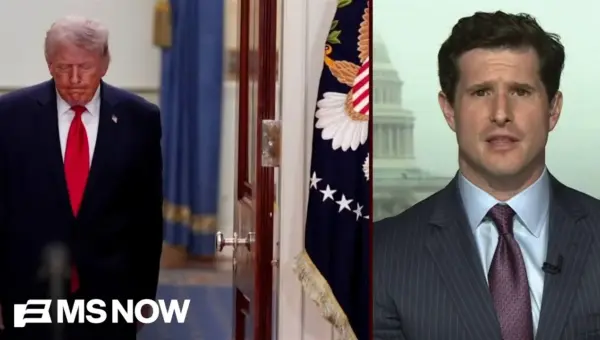
Trump Weighs War Exit Amid Iran Strikes and Internal Debate
President Trump is reportedly facing internal debate over how to end the escalating conflict with Iran, according to a new Time Magazine report. While publicly vowing to increase strikes, privately Trump seeks an "off-ramp" to declare victory and avoid domestic backlash, even as advisors express surprise at Iran's retaliatory attacks.