Trump Threatens Iran: Bomb Plants, Bridges Over Strait of Hormuz
President Donald Trump has threatened to bomb Iran's power plants and bridges if the regime does not permit free passage through the Strait of Hormuz. This severe warning escalates U.S.-Iran tensions over the critical global oil shipping lane. Experts are analyzing the potential consequences of such rhetoric on regional stability and global markets.

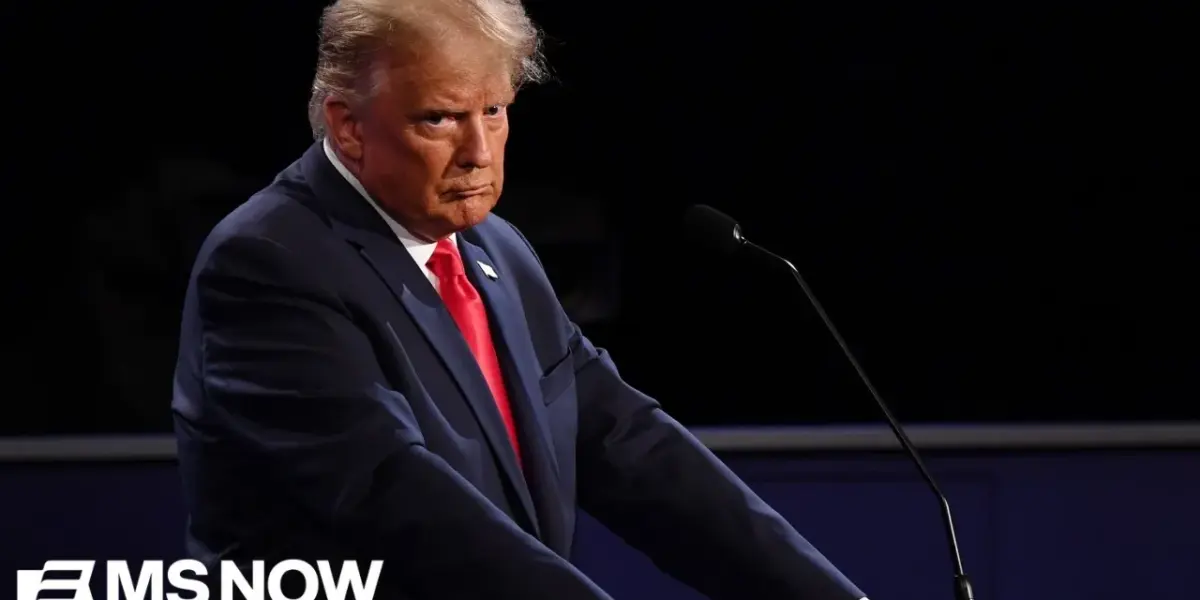
Trump Issues Stark Warning to Iran Over Strait of Hormuz
President Donald Trump has issued a severe threat against Iran, vowing to bomb the country’s power plants and bridges if its regime does not allow ships to pass freely through the vital Strait of Hormuz. The comments, made recently, signal a significant escalation in tensions between the United States and Iran over a critical global shipping lane.
Context: The Strait of Hormuz and Its Importance
The Strait of Hormuz is a narrow waterway connecting the Persian Gulf to the Gulf of Oman. It is one of the world’s most important choke points for oil transportation. Approximately one-fifth of the world’s total oil consumption passes through this strait daily. Any disruption here can have immediate and far-reaching effects on global energy markets, causing prices to surge. Iran has previously threatened to close the strait, a move the U.S. and its allies have vowed to prevent.
The President’s Rhetoric and Potential Consequences
While the exact timing of Trump’s remarks was not specified in the provided information, the threat to target civilian infrastructure like power plants and bridges is a serious escalation of rhetoric. Such actions, if carried out, would have devastating consequences for Iran’s civilian population and economy. Analysts suggest that this tough talk aims to deter Iran from taking actions that could further destabilize the region or impede global trade.
“Open the f***in’ Strait!” Trump reportedly stated, emphasizing his demand for unimpeded passage. The threat to strike power plants and bridges highlights the administration’s willingness to consider drastic measures to ensure the strait remains open.
The potential impact of such threats extends beyond immediate military considerations. Economic sanctions already in place against Iran could be intensified, and diplomatic relations could further deteriorate. The international community often reacts strongly to threats against civilian infrastructure, potentially leading to further isolation of the nation issuing the threats or the nation being threatened.
Expert Reactions and Analysis
Journalists Ankush Khardori and Laura Barron-Lopez joined ‘The Weekend’ program to discuss the implications of President Trump’s statements. Their analysis likely focused on the strategic goals behind the threats, the potential for miscalculation, and the broader geopolitical ramifications. Discussions would typically explore whether such aggressive language is a negotiating tactic or a genuine precursor to military action.
Experts often weigh in on the delicate balance of deterrence and diplomacy in international relations. The strategy of threatening significant retaliation is a common tool, but its effectiveness depends heavily on credibility and the specific context of the dispute. In this case, the Strait of Hormuz’s global importance makes any threat a matter of international concern.
Broader Implications for Regional Stability
The ongoing tensions between the U.S. and Iran are a significant factor in the stability of the Middle East. The Strait of Hormuz is not just an economic artery but also a sensitive geopolitical flashpoint. Any conflict or serious disruption in this area could draw in regional powers and international military forces, potentially leading to a wider conflict. The U.S. Navy regularly patrols the strait to ensure freedom of navigation, often in cooperation with international partners.
Looking Ahead: What to Watch Next
Moving forward, observers will be closely watching Iran’s response to these threats and any actions taken by the U.S. to enforce its demands. The international community’s reaction will also be a key indicator of how seriously these threats are being taken. Diplomatic channels, though often strained, will remain crucial in de-escalating the situation and preventing missteps that could lead to a dangerous escalation. The economic impact on global oil prices will also serve as a barometer of the perceived risk in the region.
Source: ‘Open the f***in' Strait’: Trump threatens to bomb Iran’s power plants, bridges (YouTube)

Related Articles

China Maps Seabed, Eyes Hawaii in Naval Power Play
China's extensive seabed mapping in the Pacific, particularly around strategic areas like Guam and Hawaii, is raising concerns about its preparation for submarine warfare. This effort, often disguised as scientific research, aims to enhance China's naval capabilities and challenge US dominance in the region.

Russia Faces Last-Ditch Offensive, Internal Cracks
Russia may be launching a final major offensive in Ukraine as it faces mounting internal pressures. Analysts suggest this push is a last resort before significant manpower and financial issues arise. Meanwhile, increasing domestic information control and official criticism highlight growing cracks within the Russian establishment.


Trump Threatens Iran, Shaking Global Stability
Former President Trump's aggressive Easter Sunday warning to Iran has ignited global concerns, highlighting a volatile intersection of politics, religion, and foreign policy. The analysis explores the motivations behind such rhetoric, the deep divisions within American society, and the potential for severe economic and geopolitical repercussions worldwide.