Trump Tells Allies: Secure Oil Routes or Do It Yourself
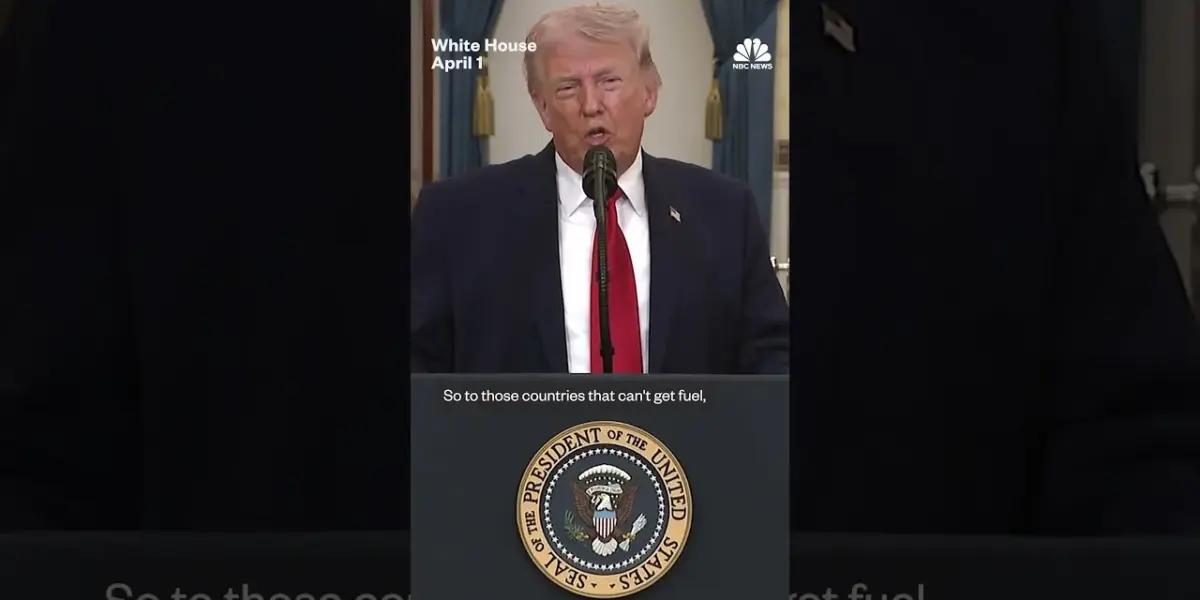
Former President Donald Trump urged global allies to take primary responsibility for securing the Strait of Hormuz, a vital oil transit route. He advised nations dependent on the strait to protect it themselves, suggesting the U.S. would offer support but not lead the effort. Trump also encouraged these countries to buy more oil from the U.S. and to act assertively to secure their energy supplies.

US President Urges Global Powers to Guard Strait of Hormuz
Former President Donald Trump has called on global allies to take charge of securing the vital Strait of Hormuz, a key waterway for global oil transport. Speaking recently, Trump asserted that nations heavily reliant on oil flowing through the strait must prioritize its protection themselves. He suggested that these countries possess the capability to ensure their own energy security, even as the United States offers support.
A Call for Self-Reliance in Energy Security
Trump’s message directly addresses countries that depend on the Strait of Hormuz for their oil supplies. He stated, “The countries of the world that do receive oil through the Hormone Strait must take care of that passage. They must cherish it. They must grab it and cherish it.” This call for self-governance in protecting energy routes comes at a time of global energy market fluctuations and geopolitical tensions.
The former president emphasized that the United States is willing to be “helpful” but stressed that the primary responsibility should lie with the nations that benefit most from the strait’s open passage. “We will be helpful, but they should take the lead in protecting the oil that they so desperately depend on,” Trump explained. This approach suggests a potential shift in how the U.S. views its role in global security, advocating for a more distributed burden of responsibility.
Direct Advice for Oil-Importing Nations
For those countries currently struggling to obtain fuel, Trump offered a two-part suggestion. First, he advised them to increase their oil purchases from the United States, highlighting America’s abundant oil reserves. “We have plenty. We have so much,” he remarked, underscoring the nation’s capacity to meet global demand. This recommendation positions the U.S. as a reliable energy supplier for allies.
Second, Trump urged these nations to display greater resolve and take direct action to secure the strait. “Build up some delayed courage. Should have done it before. Should have done it with us as we asked. Go to the strait and just take it, protect it, use it for yourselves,” he declared. This strong directive encourages a more assertive stance from allies in safeguarding their own economic interests.
‘Decimated’ Iran and the ‘Easy’ Path Forward
Trump also commented on the current state of Iran, suggesting that the country has been significantly weakened. He stated, “Iran has been essentially decimated. The hard part is done.” This assessment implies that Iran’s capacity to interfere with shipping is diminished, making the task of securing the Strait of Hormuz less challenging for other nations. The implication is that with Iran’s influence reduced, the path for other countries to assert control over the strait is now more feasible.
Broader Implications for Global Trade and Alliances
The Strait of Hormuz is a critical chokepoint, through which about 20% of the world’s total oil consumption passes. Any disruption in this waterway can have significant ripple effects on global energy prices and supply chains. Trump’s remarks suggest a desire to reduce the U.S. commitment to policing international shipping lanes, particularly in regions where American interests may not be as directly threatened as those of its allies.
This stance could encourage a reevaluation of defense partnerships and security arrangements among oil-dependent nations. It might push countries in Asia and Europe, who are major importers of Middle Eastern oil, to develop more independent defense capabilities or form regional security pacts. The call for “delayed courage” points to a perceived hesitation among some allies to take on greater security responsibilities, a pattern Trump seems keen to change.
Looking Ahead: A Shift in Security Burden?
Trump’s advocacy for allies to take the lead in securing the Strait of Hormuz signals a potential future direction in U.S. foreign policy concerning global commons. As the world continues to navigate complex geopolitical landscapes and fluctuating energy markets, the actions of these allied nations in response to this call will be closely watched. Their willingness and ability to assume greater responsibility for their own energy security could reshape regional alliances and the global security architecture.
Source: Trump urges other countries to take control of the Strait of Hormuz (YouTube)

Related Articles
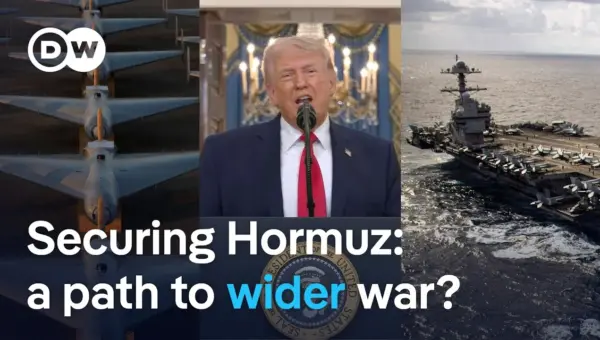
Strait of Hormuz Tensions Risk Wider Middle East War
Efforts to secure the vital Strait of Hormuz risk triggering a wider Middle East war, according to UN warnings and security analysts. The narrow waterway is crucial for global trade, and forcing it open against Iran's objections could escalate regional tensions dramatically. Experts highlight the complex geography, Iran's remaining military capabilities, and the involvement of regional players as key factors in the volatile situation.
UK Leads Global Effort to Secure Strait of Hormuz
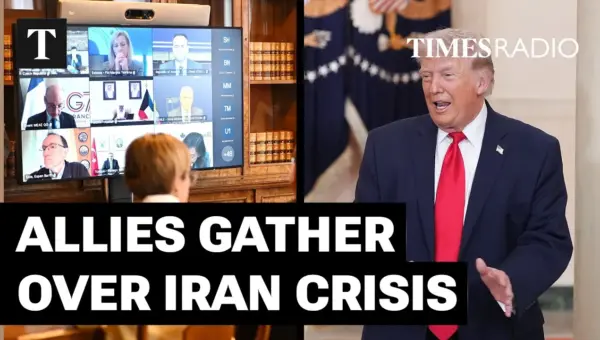
The UK has rallied over 40 countries to address the crisis in the Strait of Hormuz, a vital global energy route. The initiative seeks diplomatic and economic solutions amidst rising tensions and calls for a stronger European role. Experts suggest that negotiation, rather than military action, is key to securing the strait's passage.
Iran Claims Jet Downed, Escalates Regional Attacks
Iran claims it shot down a U.S. fighter jet, marking a significant escalation in regional tensions. The U.S. has been targeting Iranian infrastructure, while Iran and its allies have launched retaliatory strikes across the Middle East, impacting oil facilities and causing injuries. The critical Strait of Hormuz remains a key point of contention.