Trump Targets Protesters: Secret Summit Aims to Squash Dissent
Donald Trump is reportedly organizing a secret global summit to label protesters as terrorists and combat "left-wing violence." Critics argue this move unfairly targets dissent and ignores statistics showing greater threats from right-wing extremism. The meeting may include leaders with similar approaches to suppressing opposition.

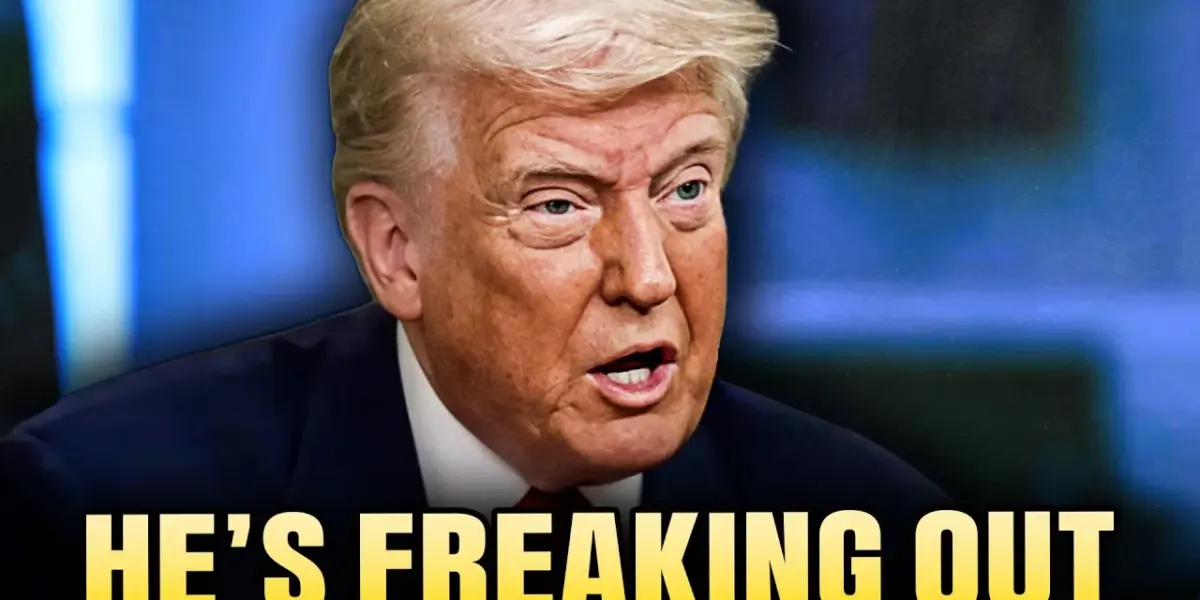
Trump Targets Protesters: Secret Summit Aims to Squash Dissent
Donald Trump is reportedly planning a private meeting with global leaders to discuss what he calls a rise in “left-wing violence.” This gathering, set for June or July, aims to address protests that have spread worldwide, including the recent “No Kings” demonstrations. The meeting is intended to be a closed-door event, not open to the public or media.
Defining the Enemy: A Historical Misunderstanding
Trump administration officials claim that anarchists, Marxists, and groups like Antifa have been responsible for decades of violence, including bombings and riots. They point to this as a long-standing threat to the Western world. However, the nature of Antifa is often misunderstood. It’s not a formal organization with members or a leadership structure. Instead, it’s described as a loose collection of individuals who oppose fascism. While some may engage in disruptive actions, the claim that Antifa has been waging a decades-long terror campaign with bombings and shootings is not supported by evidence. In reality, Antifa, as a concept, is about opposing fascism and has existed in various forms for a long time, not just emerging recently.
Focus on Feelings, Not Facts?
The core issue, according to critics, is Trump’s desire to label anyone protesting against him as a terrorist. This includes peaceful demonstrators, those who use symbolic protests like the “Baby Trump” balloon, or even artists creating controversial statues. The motivation seems to stem from personal offense rather than a genuine assessment of threats. Statistics suggest that right-wing extremism poses a far greater risk, with individuals being significantly more likely to be harmed by right-wing extremists than by left-wing ones. This disparity is reportedly around 20 to one.
A Meeting of Like-Minded Leaders?
Trump reportedly hopes to persuade other world leaders to adopt his view and label protesters as terrorists. However, the prediction is that major Western allies like Canada, the UK, France, and Germany will likely not send high-level representatives to such a meeting. Instead, the attendees might be leaders with similar approaches to dissent, such as Vladimir Putin of Russia, Recep Tayyip Erdogan of Turkey, Mohammed bin Salman of Saudi Arabia, and Benjamin Netanyahu of Israel. This gathering could resemble a coalition of leaders who are also often criticized for suppressing political opposition and protests within their own countries.
Why This Matters
This proposed meeting highlights a growing global trend of leaders attempting to delegitimize and suppress protest movements. By framing dissent as “left-wing violence” or “terrorism,” leaders can justify crackdowns and undermine democratic participation. The focus on personal affronts by leaders, rather than addressing underlying societal issues that fuel protests, is a dangerous tactic. It suggests a willingness to prioritize maintaining power over listening to citizens’ concerns. The potential for international cooperation on such a platform could embolden authoritarian tendencies and set a worrying precedent for how governments respond to public outcry.
Implications and Future Outlook
If Trump succeeds in gathering support for this initiative, it could lead to increased international pressure on activists and dissenters. It might also create divisions among allies, with some countries potentially aligning with this approach while others resist. This could further complicate international relations and the global discourse on human rights and freedom of assembly. The future outlook suggests a continued struggle between governments seeking to control narratives and citizens demanding accountability and change. The effectiveness of such meetings depends heavily on who actually attends and whether their shared goals outweigh national interests and democratic values.
Historical Context
Throughout history, governments have often sought to label and suppress protest movements. From the Red Scare in the United States to crackdowns on dissidents in various authoritarian regimes, the tactic of framing opposition as a threat to national security or public order is not new. What might be different now is the potential for a coordinated, international effort driven by leaders who are themselves facing significant domestic opposition and who see a common cause in silencing criticism. The rise of social media also plays a role, allowing protests to spread quickly but also enabling governments to monitor and potentially target activists more effectively.
Source: Trump Holding Secret Meeting To Stop Future No Kings Protests (YouTube)

Related Articles
Trump Backs Off Iran Strikes Amid ‘Excessively Dangerous’ Fallout
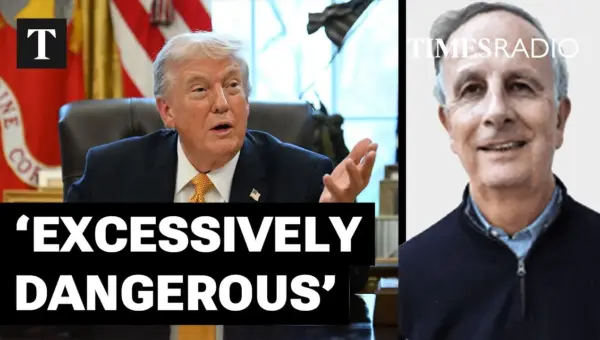
President Trump has reportedly stepped back from threats to bomb Iran's energy infrastructure, citing 'excessively dangerous' fallout. This comes as Pakistan brokers a ceasefire proposal amid escalating tensions and global economic concerns. The potential for war crimes and the significant benefits to Russia from rising oil prices are also key factors.


Trump Escalates Iran Tensions with New Threats
President Trump has issued a new deadline for Iran to open the Strait of Hormuz, threatening severe consequences including attacks on infrastructure. The heightened rhetoric follows the successful rescue of a second U.S. airman whose jet was downed over Iran, drawing criticism from Democrats concerned about American safety.

Trump’s NATO Claims Crumble Under Scrutiny
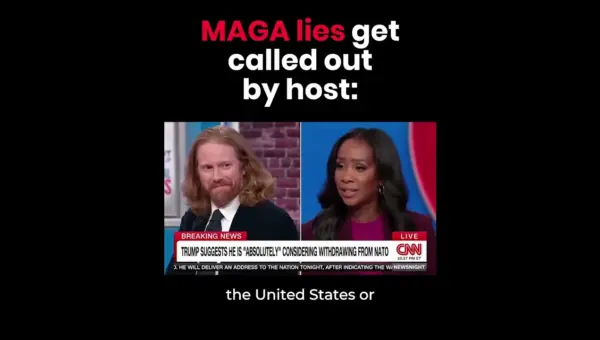
Reports challenge Donald Trump's claims about NATO and his interest in Greenland. Historical records of NATO's founding and the actual discussions with Denmark raise serious questions about the stated reasons for his actions. This analysis explores the discrepancies and their implications for international alliances.