Trump Targets $200 Billion Fraud in New Task Force
President Trump has launched a new federal task force targeting widespread fraud in welfare and SBA programs, aiming to recover billions in taxpayer dollars. The initiative will audit programs, including a $50 billion SBA initiative, and revisit COVID-era fraud, with Vice President J.D. Vance leading the effort.

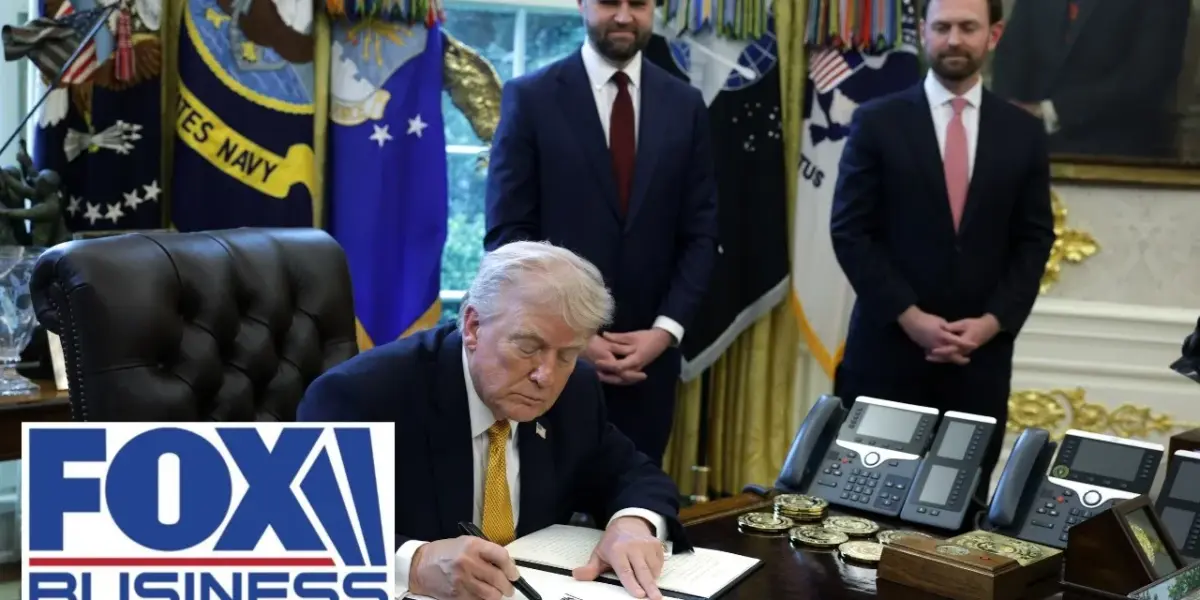
Trump Launches Sweeping Anti-Fraud Task Force Targeting Welfare and SBA Programs
President Trump has officially greenlit a sweeping new federal task force aimed at combating fraud within government programs, with a particular focus on welfare and Small Business Administration (SBA) initiatives. The initiative seeks to reclaim billions in taxpayer dollars lost to illicit activities, with the administration suggesting that uncovering even half of the existing fraud could lead to a balanced budget.
Focus on Welfare and Nursing Home Oversight
A significant aspect of the new task force’s mandate involves scrutinizing welfare programs, especially in states identified as having weak oversight. The administration highlighted concerns that current systems may inadvertently facilitate fraud, leading to taxpayer-funded programs being exploited. This includes instances where families might shift the financial burden of elderly care onto Medicaid, a program largely funded by taxpayers, by leveraging state-specific eligibility requirements. Small Business Administrator Kelly Loeffler noted that approximately two-thirds of nursing home residents are on Medicaid, underscoring the scale of potential financial leakage.
“This is wrong. It robs needy families of that help that they should get. And then it goes to undeserving either criminal illegal aliens, or it goes to the Somali fraud rings that are defrauding hard-working American taxpayers…” Administrator Loeffler stated, emphasizing the dual impact of fraud on both legitimate beneficiaries and public trust.
Auditing a $50 Billion SBA Program
The SBA has already initiated significant actions, including an audit of a $50 billion program that had reportedly gone unexamined for 50 years. Administrator Loeffler revealed that this audit has already identified issues, leading to the removal of 20% of participants, impacting over 1,000 individuals and contracts totaling $1.5 billion. This proactive auditing approach aims to prevent future large-scale discrepancies by fixing systemic issues at their source.
Addressing COVID-Era Fraud and Future Prevention
The task force will also revisit fraud that occurred during the COVID-19 pandemic, specifically mentioning an estimated $200 billion in potential fraud that the Biden administration may have overlooked or attempted to mitigate through loan forgiveness programs. The administration is committed to prosecuting individuals involved in such schemes, with recent reports of individuals facing jail time, including a recent four-year sentence. The goal is not only to prosecute past offenders but also to reform programs to prevent recurrence.
Task Force Leadership and Systemic Reform
Vice President J.D. Vance is set to lead the newly formed task force. His role will involve coordinating efforts across the entire cabinet and federal agencies to address the systemic nature of fraud. The objective is to create a robust, all-of-government approach that ensures accountability and prevents future exploitation of public funds. The administration asserts that this comprehensive strategy will lead to individuals facing legal consequences, including imprisonment, aligning with public demand for justice.
Economic Context and Investor Implications
The anti-fraud initiative is being presented within a broader economic narrative. Administrator Loeffler highlighted positive economic indicators attributed to the Trump administration’s policies, such as tax cuts, deregulation, and a focus on domestic manufacturing, which have purportedly led to job growth and enabled small businesses to invest and hire. Despite challenges like high fuel prices, the administration points to efforts to lower the cost of living, interest rates, and inflation. The success of these anti-fraud measures could potentially free up significant capital, impacting fiscal policy and potentially reducing the national debt over the long term.
Market Impact
The establishment of this task force signals a heightened focus on fiscal responsibility and the integrity of government spending. Investors and taxpayers alike will be watching to see the efficacy of these measures in recovering lost funds and preventing future waste. The successful prosecution of fraud cases and the reform of vulnerable programs could lead to a more stable fiscal environment. Furthermore, the reclaiming of billions of dollars could influence budget allocations and potentially ease pressure on future tax revenues or government borrowing.
What Investors Should Know
- Fiscal Discipline: The initiative underscores a commitment to fiscal discipline and aims to improve the efficiency of government spending.
- Potential for Savings: If successful, the task force could recover substantial sums, potentially impacting the national debt and future fiscal policy decisions.
- Regulatory Scrutiny: Businesses and individuals operating within government-funded programs may face increased scrutiny and stricter compliance requirements.
- Economic Narrative: The anti-fraud efforts are being framed as part of a larger economic agenda focused on growth and fiscal health.
The long-term implications hinge on the task force’s ability to implement sustainable reforms and maintain consistent enforcement, ensuring that taxpayer dollars are protected and directed towards their intended purposes.
Source: Trump orders nationwide fraud task force targeting welfare and SBA programs (YouTube)

Related Articles


California Faces $170M Fraud Allegations Amid Medicaid Woes
Independent journalist Nick Shirley alleges California faces over $170 million in fraud linked to its daycare and hospice programs. These revelations follow his prior investigation into significant Medicaid fraud in Minnesota, highlighting a potential nationwide issue.

Billions Lost to Social Program Fraud
Billions of dollars are being lost to fraud and abuse within U.S. social programs like SNAP, Medicare, and Medicaid. Investigations reveal loopholes allowing wealthy individuals to claim benefits and widespread exploitation of childcare and healthcare subsidies, raising concerns about program integrity and financial oversight.
SNAP Fraud Loophole Exposed; Farmers Face Fertilizer Woes
A loophole allowing a millionaire to claim SNAP benefits has been exposed, raising concerns about program integrity. Meanwhile, farmers face rising fertilizer costs, though many had prepared for the planting season. Efforts are underway to combat fraud and stabilize agricultural supply chains.