Trump Taps Oil Reserves Amid Iran Conflict, Global Strikes
President Trump has ordered the release of oil from the U.S. Strategic Petroleum Reserves to combat rising gas prices amid escalating conflict with Iran. The move coincides with a coordinated international release of emergency oil supplies as Iran attacks shipping lanes.

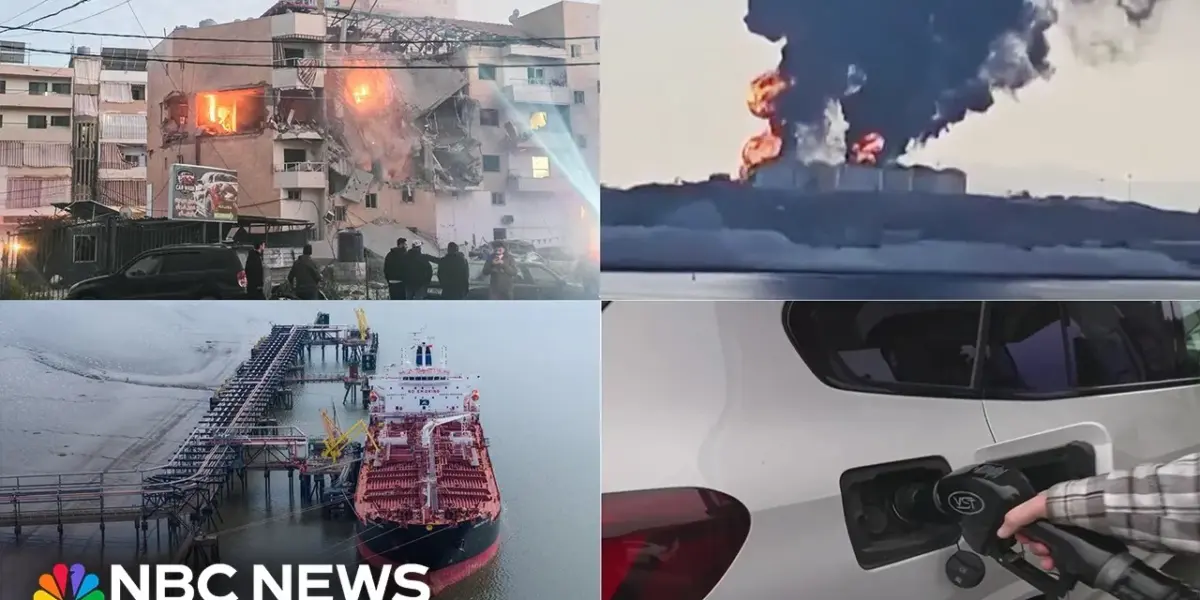
President Orders Strategic Reserve Release as Tensions Flare
In an emergency move to combat surging gas prices, President Trump announced late today plans to tap into the United States’ Strategic Petroleum Reserves. This decision comes as Iran escalates its conflict in the Middle East, launching attacks on at least three ships traversing the vital Strait of Hormuz, a critical chokepoint for global oil transportation.
Iran Escalates Attacks, Threatens Oil Supply
New video footage reveals the dramatic moment a drone struck an oil depot in Oman, causing a massive explosion and highlighting the growing threat to energy infrastructure in the region. Iran has explicitly vowed to drive oil prices to $200 a barrel by disrupting tanker traffic through the Strait of Hormuz, which at its narrowest point is only 20 nautical miles wide and accounts for over 20% of the world’s oil transit.
“We’ll reduce it a little bit, and that brings the prices down. We have to get rid of the evil. There is great evil taking place in Iran, as you know,” President Trump stated regarding the reserve release. He previously warned Iran that any interference with the Strait would result in a significantly harsher military response.
International Response: A Coordinated Oil Release
In a synchronized effort to stabilize global oil markets, the International Energy Agency (IEA) and its member nations, including the U.S., have committed to releasing a record 400 million barrels of oil from emergency stockpiles. This coordinated release aims to alleviate upward pressure on prices, which have seen significant volatility due to the escalating conflict.
“The price of a barrel of U.S. crude rose almost $5.00 today, gas already up $0.60 a gallon nationwide since the war began.”
Despite these measures, oil prices remained steady around $87 a barrel following the announcement. Oil analysts caution that while the reserve release might slow the price increase, further hikes are still possible, with some suggesting $4.00 a gallon nationwide remains a potential outcome. The global consumption of over 100 million barrels of oil daily means even a 400 million barrel release represents only about four days of supply. Experts emphasize that the most crucial factor for price stabilization remains the unimpeded flow of oil through the Strait of Hormuz, which historically handles 20 million barrels per day.
U.S. Military Actions and Domestic Pressure
The President’s actions come as the Pentagon claims to have significantly degraded Iran’s military capabilities. “To date, we have struck more than 5,500 targets inside Iran,” a military official reported. President Trump expressed confidence that the conflict would conclude soon, stating, “There’s practically nothing left to target.” He elaborated that Iran’s navy, air force, and radar systems have been largely dismantled, and its leaders are gone.
While most Republicans have voiced support for the operation, citing its goals of dismantling Iran’s missile and drone programs and nuclear ambitions, the President faces pressure from some allies. Critics question the necessity and clarity of the current military engagement, particularly given campaign promises to avoid prolonged conflicts.
Internal Unrest and Intelligence Concerns
Inside Iran, a top security official has reportedly threatened to shoot protesters, signaling a potential crackdown following deadly demonstrations in January. Meanwhile, an advisor to Israel’s Prime Minister expressed hope for renewed public dissent, noting that a significant portion of the Iranian population is reportedly dissatisfied with the current regime.
Adding a layer of complexity, the Supreme Leader of Iran has not been publicly seen or heard from since the conflict began. Reports suggest he may have been injured early in the hostilities, with his absence potentially linked to security concerns and a physical injury sustained on the opening day of the conflict, according to Iran’s Ambassador to Cyprus.
Preliminary Findings on Deadly School Strike
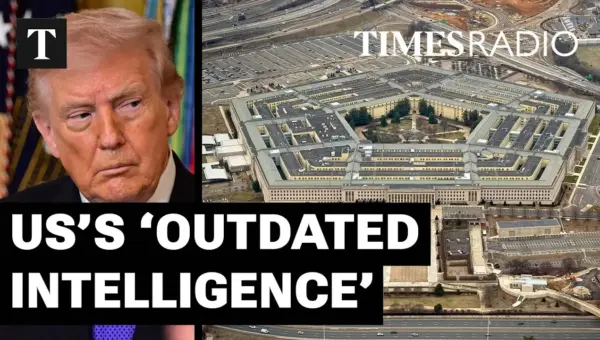
In related news, a preliminary Pentagon investigation into a deadly strike on an Iranian school that killed 170 people suggests the U.S. may be responsible. Four sources familiar with the findings indicate that outdated intelligence, which identified the location as a former military facility, likely led to the munitions hitting the intended target. The Defense Intelligence Agency, reportedly relying on intelligence shared by Israeli partners, had deemed the target valid at the time.
Looking Ahead: Oil Prices and Regional Stability
As the situation in the Middle East continues to develop, attention remains fixed on the trajectory of oil prices and the potential for further escalation. The effectiveness of the international oil reserve release and the ongoing military operations will be key factors in determining regional stability and the economic impact on consumers worldwide. The world watches to see if diplomatic channels can be opened amidst the escalating conflict and if the situation in Iran leads to renewed internal dissent.
Source: Trump taps strategic oil reserve to drop gas prices as Iran War sparks strikes across Middle East (YouTube)

Related Articles


Trump Touts Economy Amid Iran War Fallout, Oil Prices Surge
President Trump is touting his economic agenda amidst rising oil prices fueled by the Iran conflict. An unprecedented 400 million barrels of oil are being released from strategic reserves to stabilize markets, while the U.S. military reports success against Iranian mine layers. Analysts and former officials question the administration's strategy and preparedness for the economic fallout.
US Strike on Iranian School Blamed on Outdated Intel
Preliminary findings suggest a deadly U.S. strike on an Iranian school, which killed 175 people, was caused by outdated intelligence. The Pentagon is investigating the incident, which occurred near the Strait of Hormuz. Meanwhile, Iran has withdrawn from the 2026 World Cup, citing safety concerns.

Trump’s Iran War Miscalculation Fuels Global Oil Crisis
The Trump administration's miscalculations have plunged the Middle East into an escalating war with Iran, triggering a global oil crisis and economic instability. Revelations suggest officials downplayed risks to vital shipping lanes, leading to Iran's control of the Strait of Hormuz and soaring gas prices.