Trump Taps Mullin for DHS Amidst Iran War Escalation
Donald Trump has reportedly chosen Senator Markwayne Mullin to lead the Department of Homeland Security amidst escalating U.S. military action against Iran. The decision raises questions about Mullin's readiness for a wartime role at the helm of the critical security agency.

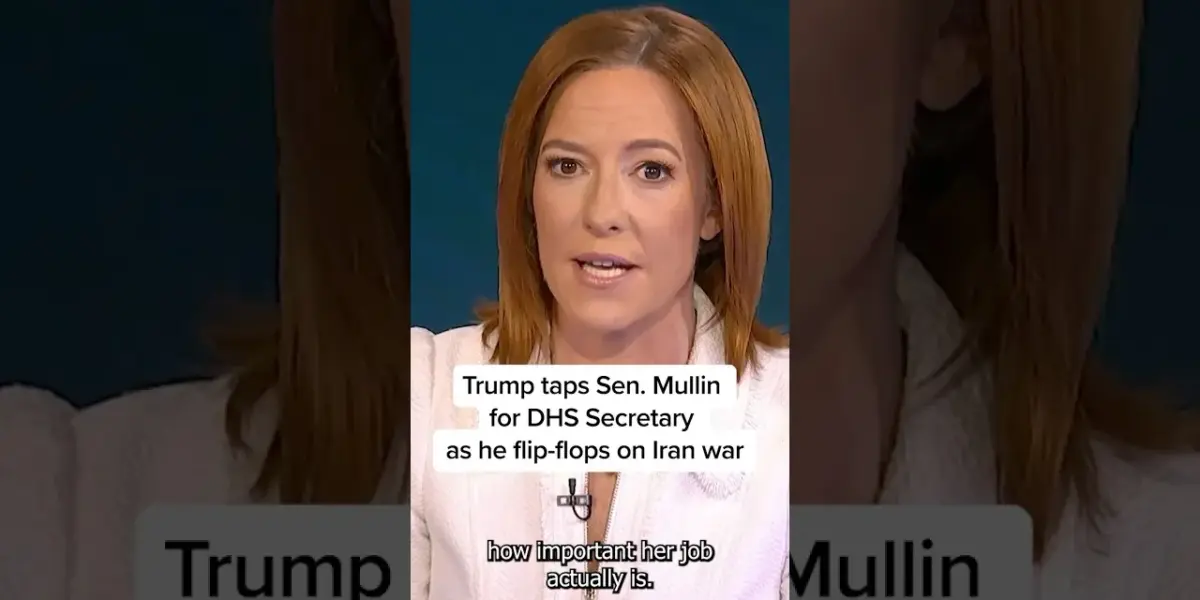
Trump Taps Senator Markwayne Mullin for Homeland Security Secretary
Former President Donald Trump has reportedly selected Senator Markwayne Mullin (R-OK) to serve as the next Secretary of the Department of Homeland Security (DHS). The announcement comes at a critical juncture, as the United States finds itself in an escalating conflict with Iran, a move that has drawn significant criticism and raised concerns about the nation’s security readiness. The Department of Homeland Security, established in the aftermath of the September 11, 2001, terrorist attacks, was designed to unify and coordinate national efforts to protect the homeland from a wide range of threats, particularly during times of war.
Context of the DHS Appointment
The appointment of a new DHS Secretary is a significant event under any circumstances, but it carries added weight given the current geopolitical climate. The DHS is responsible for a broad mandate, encompassing border security, immigration enforcement, cybersecurity, infrastructure protection, emergency preparedness, and counterterrorism efforts. Its leadership is crucial for maintaining national security and public confidence, especially when the nation is engaged in international hostilities. Senator Mullin, a businessman and a member of the House of Representatives before his election to the Senate in 2020, brings a legislative background to the potential role. His tenure in Congress has included service on committees related to armed services and energy, suggesting a focus on national security and economic stability.
Escalating Tensions with Iran
The backdrop to Mullin’s potential nomination is the Trump administration’s recent actions that have led to a significant increase in tensions with Iran. While the exact nature and triggers of this “ill-conceived war,” as described by some sources, are not fully detailed in the provided transcript, the implication is that the former President has initiated actions that have pushed the U.S. closer to direct military confrontation. The decision to potentially appoint a new DHS Secretary amidst such a volatile international situation raises questions about the administration’s strategic priorities and its assessment of the threat landscape. The DHS plays a vital role in securing the nation’s borders and critical infrastructure, which could be targets in a conflict with Iran. The effectiveness of the department under new leadership, particularly in a wartime scenario, is a matter of immediate concern.
Concerns Over Wartime Readiness
The transcript explicitly raises doubts about Senator Mullin’s preparedness for the demanding role of DHS Secretary, especially in the context of a war. “it’s still not clear whether the man he’s tapped to replace her is up to the wartime job,” the source states. This sentiment suggests that Mullin’s background or the circumstances of his nomination may not adequately address the unique challenges posed by a nation at war. The complexities of managing a department tasked with domestic security while the U.S. is engaged in overseas conflict require a leader with a deep understanding of both national and international security dynamics, as well as the ability to coordinate effectively across numerous agencies and levels of government. The effectiveness of the DHS in such a scenario hinges on its ability to anticipate, deter, and respond to threats, both foreign and domestic, which could be amplified during a period of active military engagement.
Leadership Transition Amidst Crisis
The potential leadership change at DHS occurs at a time when the nation is already grappling with significant security challenges. The establishment of DHS itself was a response to a national security crisis, and its leadership is always under scrutiny. However, appointing a new Secretary during an active military conflict with a nation like Iran introduces a layer of complexity and risk. The transition requires a seamless handover of responsibilities, ensuring that the department’s operations remain robust and uninterrupted. The success of this transition will depend on Mullin’s ability to quickly grasp the intricacies of the department’s mission and to command the confidence of its personnel and the broader national security apparatus. The administration’s decision to proceed with such a significant personnel change under these conditions will undoubtedly be closely watched by allies and adversaries alike.
Looking Ahead
The coming weeks will be crucial in determining the effectiveness of this potential appointment. Senator Mullin’s confirmation process, should it proceed, will likely involve intense scrutiny regarding his qualifications, his stance on border security, counterterrorism, and his understanding of the implications of the ongoing conflict with Iran. Public perception and the confidence of national security professionals will also play a significant role in his tenure. As the U.S. navigates this period of heightened international tension, the leadership at the Department of Homeland Security will be a critical component of the nation’s overall security posture. The focus will be on whether Mullin can effectively lead the department through these turbulent times and reassure the American public of their safety.
Source: Trump taps Sen. Mullin for DHS Secretary as he flip-flops on Iran war (YouTube)

Related Articles


Trump’s Iran Policy: From ‘Never Again’ to Regional War
Governor Gavin Newsom criticizes former President Trump's "cluelessness" on Iran, highlighting a pattern of inconsistent rhetoric and actions that have led to regional war, economic instability, and human cost. The shifting justifications for escalation underscore a lack of strategic clarity with profound global implications.


Tornadoes Rip Through Plains, Trump Demands Iran’s Surrender
Millions face tornado threats across the central U.S. as storms unleash destruction, claiming lives in Oklahoma. Meanwhile, President Trump demands Iran's "unconditional surrender" amidst escalating Middle East conflict and Israeli strikes in Lebanon.

Russia’s Iran Gamble: Strategic Ally or Future Liability?
Russia and Iran's strategic partnership, forged under mutual sanctions, deepens with military cooperation including Iranian drones for Ukraine and Russian arms. However, Moscow's support has limits, impacting its global prestige and potentially risking instability if Iran's regime falters.