Trump Tackles Biden-Obama Iran Policy Failures
A Republican Senator argues that past Democratic administrations' energy and terrorism policies empowered Iran, creating challenges the Trump administration is now addressing. This geopolitical narrative impacts investor considerations regarding energy markets and regional stability.

Trump Administration Faces Iran’s Nuclear Ambitions Amidst Policy Reversal
The current geopolitical landscape, particularly concerning Iran’s nuclear program and regional influence, is being framed as a direct consequence of past Democratic administrations’ policies, according to recent commentary from a Republican Senator. The narrative suggests that the Obama and Biden administrations’ energy policies and approach to terrorism inadvertently empowered Iran, creating the very challenges the Trump administration is now tasked with resolving.
Legacy of Past Policies
The core argument posits that the energy policies enacted under President Obama, and continued by the Biden administration, alongside what is described as a “naive approach on terrorism,” significantly bolstered Iran’s financial capacity. Specifically, the Green New Deal, a legislative framework aimed at addressing climate change through significant economic and social change, is cited as having indirectly supported groups like Iran, enabling them to finance conflicts and operate with impunity as they allegedly crossed international “red lines.”
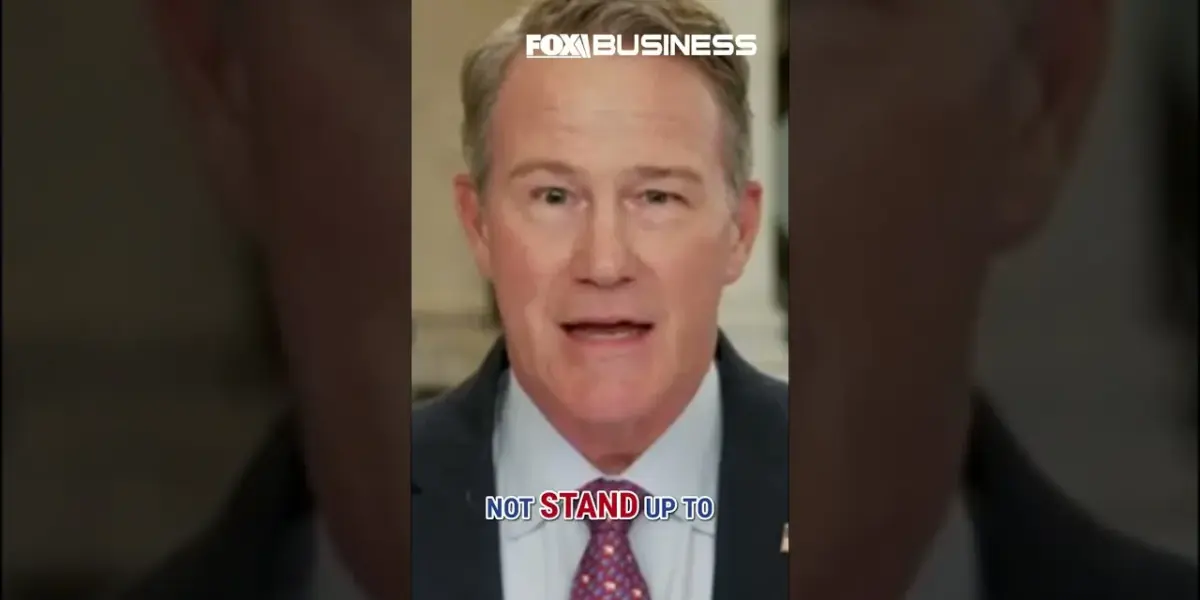
“Joe Biden and his entire team uh with the Green New Deal helped uh really put groups like Iran uh and their ability to uh finance wars and not stand up to them as they uh crossed red lines time after time.”
This perspective contends that these prior policies created a permissive environment for Iran’s expansion of its capabilities, including its nuclear ambitions, ballistic missile development, and regional threats such as drone operations capable of disrupting critical global trade routes like the Strait of Hormuz.
Trump’s Role in ‘Fixing Past Problems’
The prevailing sentiment is that President Trump inherited a complex and precarious situation, necessitating a reversal of previous strategies. The assertion is that the failures of the two preceding Democratic presidencies placed Iran in a position of considerable power, granting it the potential to develop nuclear weapons, launch ballistic missiles at neighboring countries, and wield influence through drone capabilities that could threaten international maritime security.
The Trump administration’s subsequent actions, though not detailed in the provided transcript, are presented as remedial measures designed to counteract the perceived negative outcomes of earlier policies. This suggests a strategic shift aimed at confronting Iran more directly and curbing its perceived proliferation and destabilizing activities.
Market Impact and Investor Considerations
While the transcript focuses on the political and geopolitical aspects of US-Iran relations, such developments can have significant ripple effects across global markets. Investors often monitor geopolitical tensions, particularly those involving major energy producers and critical shipping lanes, due to their potential to impact oil prices, inflation, and overall economic stability.
Key Considerations for Investors:
- Energy Markets: Iran’s significant role as an oil producer means that any escalation or de-escalation of tensions can directly influence global crude oil prices. Disruptions to supply or the potential for future disruptions can lead to price volatility.
- Geopolitical Risk Premium: Increased tensions in the Middle East often lead to a “geopolitical risk premium” being factored into asset prices, particularly commodities and currencies of affected regions.
- Defense Sector: Geopolitical instability can sometimes lead to increased defense spending, potentially benefiting companies within the defense industry.
- International Trade: Threats to vital shipping routes like the Strait of Hormuz can impact global trade flows, affecting shipping companies, logistics, and the cost of imported goods.
Long-Term Implications
The long-term implications hinge on the sustained effectiveness of the policies enacted by the Trump administration and any subsequent shifts by future administrations. The debate over the optimal strategy for handling Iran – whether through sanctions, diplomatic engagement, or a combination thereof – remains a critical factor for regional stability and global economic health. Investors will need to continue tracking diplomatic developments, the status of international sanctions, and Iran’s own nuclear advancements to gauge future risks and opportunities.
The underlying assertion is that the current challenges stem from a foundational misjudgment of Iran’s strategic intentions and capabilities by previous administrations. The effectiveness and sustainability of the Trump administration’s approach in neutralizing these perceived threats will be a key determinant of future geopolitical and economic outcomes in the region and beyond.
Source: Trump is fixing the problems of the past: GOP sen says #shorts (YouTube)

Related Articles

Stocks Ignore War Risks, Focus on “Taco Moments”
Stock markets appear to be overlooking the severe supply chain risks stemming from the Iran conflict, focusing instead on potential diplomatic de-escalations. While the S&P 500 shows resilience, bond and commodity markets signal deep concern over disruptions to critical resources like LNG, helium, and fertilizers.

U.S. Iran Tensions Rise Amid Shifting Alliances
Rising tensions between the U.S. and Iran are creating a volatile geopolitical situation. With conflicting signals on de-escalation and potential shifts in alliances like NATO and U.S.-Israel relations, the path forward remains uncertain. The global economy and regional stability hang in the balance.


Iran Targets US With Cyberattacks, Escalating Digital Warfare
Iran is increasingly using cyberattacks to challenge the U.S., as seen in a recent hack of the FBI director's account. Experts say this is a strategic shift due to Iran's limitations in conventional warfare. The U.S. needs to strengthen its digital defenses, focusing on encryption and cloud computing, rather than solely relying on traditional security measures.