Trump Surrenders Control of Strait of Hormuz, Admits War Failure
President Donald Trump has admitted failure in his efforts to control the Strait of Hormuz, shifting responsibility to other nations. His justification for the conflict, including claims about Iran's nuclear program, has been widely disputed, and his rhetoric has been criticized for demeaning military service.

Trump Admits Defeat in Hormuz Strait Standoff
President Donald Trump has officially surrendered in his bid to control the Strait of Hormuz, acknowledging that other nations must now ensure the passage remains open. This admission comes after Trump initiated a military buildup and threatened action, only to backtrack and place the responsibility on global partners.
Shifting Blame: The World Must Act, Trump Says
In a recent address, Trump stated, “The countries of the world that do receive oil through the Hormuz Strait must take care of that passage. They must cherish it. They can do it easily. We will be helpful, but they should take the lead in protecting the oil that they so desperately depend on.” These words signal a significant shift from his earlier strong stance, effectively admitting his military efforts have failed to achieve the stated objective.
Devaluing Military Service and Misrepresenting Threats
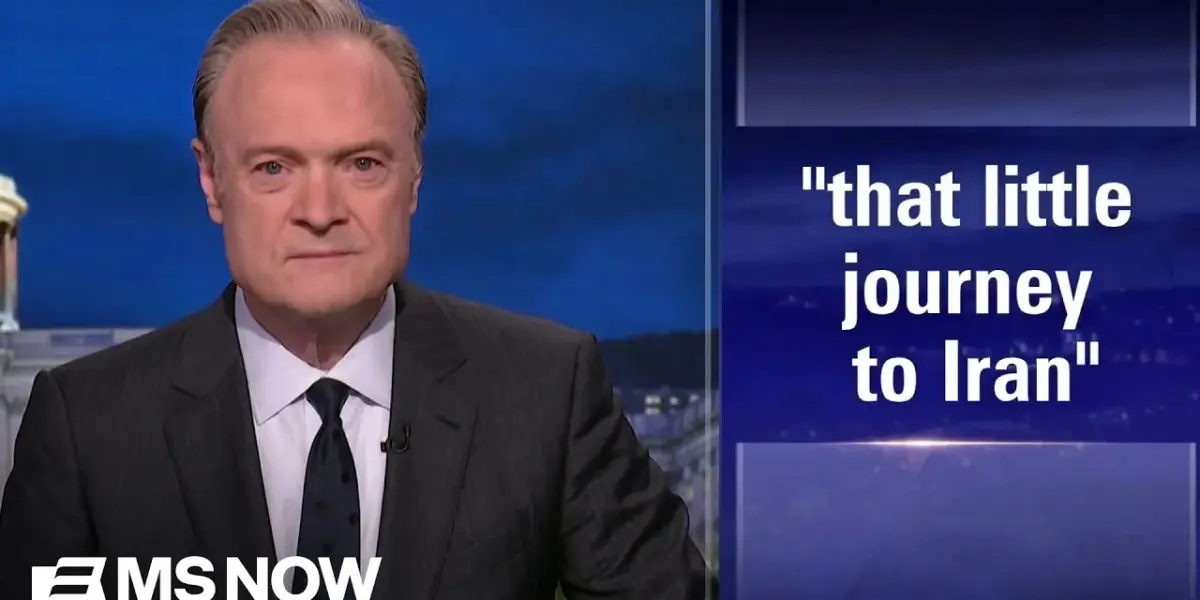
Critics slammed Trump’s characterization of his military actions as a “little journey to Iran.” This phrase was seen as deeply insulting to the members of the U.S. military involved and a demeaning of wartime service. Furthermore, Trump’s justification for the conflict, claiming Iran was on the verge of obtaining a nuclear weapon, was labeled a “pathological lie” by intelligence officials who indicated Iran’s nuclear program was progressing much slower than claimed.
Empty Rhetoric and Phony Stunts
The president’s lengthy speech offered no new information or concrete plans, leading to questions about why it was broadcast. Trump reiterated threats of war crimes against Iran if a deal wasn’t reached, a stark contrast to his promise that any conflict would conclude within weeks. The troop movements and military posturing, previously presented as decisive actions, were revealed to be “phony stunts” with no real objective or mission.
Abandoning Key Objectives
Notably absent from Trump’s address was any mention of Iran’s uranium stockpile, a previously stated objective for his military engagement. Despite suggestions of a plan to seize the material, Trump now claims he no longer cares about it. This abandonment of a core reason for initiating the conflict further undermines his administration’s credibility.
Iran’s Defiance and Rising Gas Prices
Iran has publicly denied Trump’s claims of seeking a ceasefire and has asserted continued control over the Strait of Hormuz. The head of Iran’s Parliament National Security Commission defiantly stated, “The Strait of Hormuz will certainly reopen, but not for you.” Meanwhile, the average national price of gasoline in the U.S. has surpassed $4, with experts linking this rise to the escalating tensions and supply chain disruptions.
Collapsing Approval and Erratic Behavior
Compounding his foreign policy struggles, Trump’s domestic approval rating has fallen to 35%. Polling suggests a significant portion of Americans, including Republicans, view him as increasingly erratic. Even controversial figures like Alex Jones have expressed concerns about Trump’s mental state, signaling a potential loss of support from the fringes of his base. This decline is seen as a major threat to his party’s prospects in upcoming elections.
A Failed War, Unanswered Questions
In conclusion, Trump’s handling of the Strait of Hormuz situation is marked by a clear admission of failure, a disregard for military service, and a string of unsubstantiated claims. The president leaves the American people with higher fuel costs, a disrupted global supply chain, and a war that began for unclear reasons and ended without achieving its stated goals. The administration’s inability to clearly explain the purpose and outcome of this conflict has raised serious questions about its competence and decision-making.
Looking Ahead
As the situation in the Strait of Hormuz continues to evolve, attention will be on whether other nations step in to ensure maritime security. The long-term economic impact of the conflict and the rising fuel prices on the U.S. and global markets will also be closely watched. Furthermore, the continued decline in President Trump’s approval ratings and the increasing public perception of his erratic behavior will undoubtedly shape the political landscape leading into future elections.
Source: Lawrence: Trump failed to explain his war, disgraced military calling it 'a little journey to Iran' (YouTube)

Related Articles


Trump’s Iran Strategy Faces Backlash, Domestic Division
President Trump's strategy towards Iran is drawing criticism for its mixed messaging and potential to backfire. While military actions are underway, domestic divisions and uncertainty about long-term goals are creating significant challenges. The situation raises questions about the effectiveness of the current approach and its impact on regional stability and global markets.
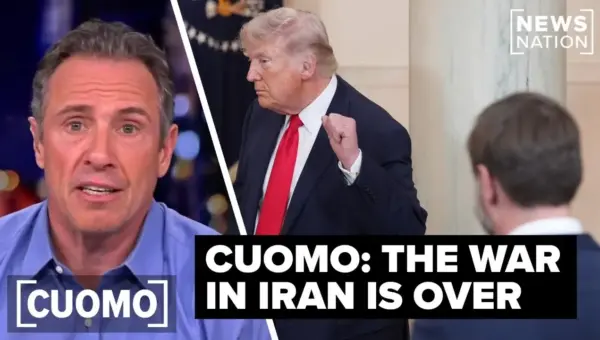
Iran War Declared Over: US Seeks Exit Amid Domestic Focus
The U.S. appears to be signaling an end to its military conflict with Iran, driven by a need to focus on domestic issues. President Trump's recent speech suggests a desire for de-escalation, despite aggressive rhetoric. The analysis highlights economic hardship, contradictory messaging, and the pressing challenges at home as key drivers for this shift.
World Allies Step Up as US Steps Back from Strait Security
As the US steps back, over 30 nations met to secure the vital Strait of Hormuz, crucial for global oil trade. President Trump wants allies to lead security efforts, while Iran's leverage and potential Russian support complicate the situation. Military options are being considered, but reopening the strait may take longer than anticipated.