Trump Supporters Demand End to Wars Amid Rising Gas Prices
Rising gas prices amid escalating global conflicts are fueling public frustration, with many, particularly Trump supporters, demanding clarity from the White House on the economic costs of foreign policy. Calls are mounting to de-escalate international tensions and focus on domestic economic well-being.

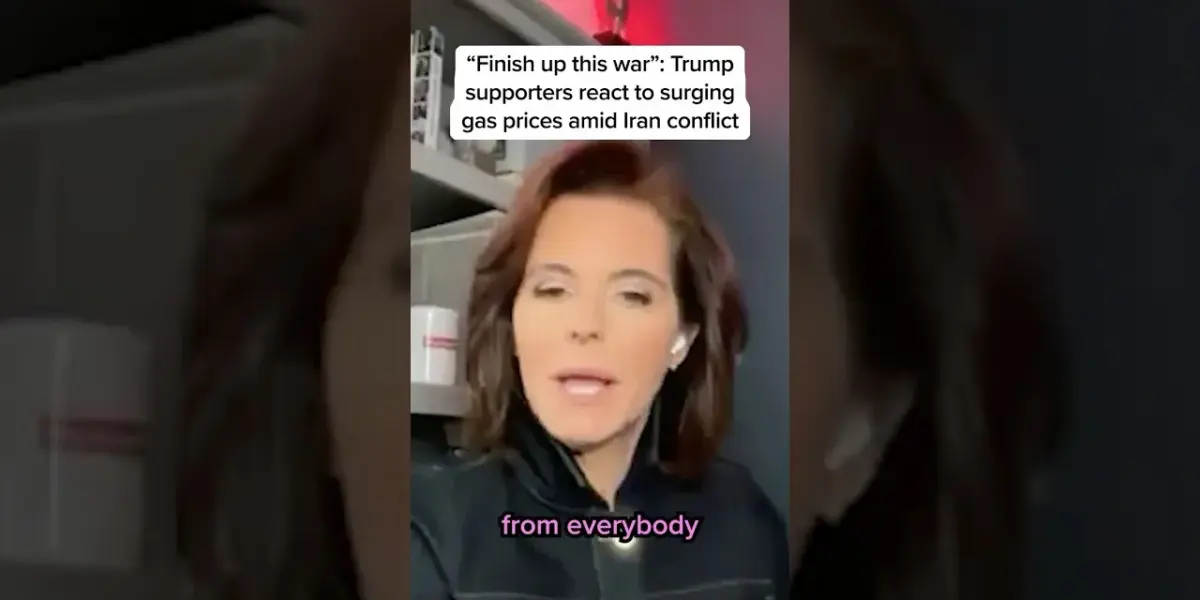
Gas Prices Surge, Igniting Calls for War De-escalation
As the global political landscape intensifies with escalating tensions in the Middle East, a significant segment of the American public, particularly supporters of former President Donald Trump, are expressing growing frustration over the perceived link between ongoing conflicts and the sharp rise in domestic gasoline prices. This sentiment was highlighted in recent observations, where the White House faced criticism for a lack of clear communication regarding the economic implications of foreign policy decisions, specifically concerning the conflict involving Iran.
Public Demands Clarity on War Costs and Benefits
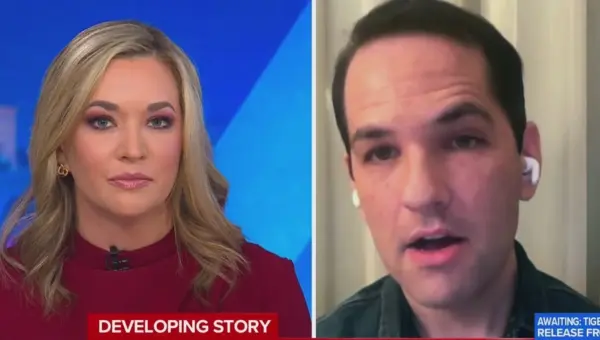
The core of the public’s discontent appears to stem from a perceived lack of transparency from the current administration. “The White House has not explained how long the short-term pain is, what exactly the long-term gain is, when it’s going to come, how it’s going to come,” stated journalist Steph Ruhle, reflecting a sentiment echoed by many Americans who feel blindsided by the economic consequences of international conflicts. This call for clarity is particularly pronounced among those who advocate for a more isolationist foreign policy, often aligning with the “America First” agenda historically championed by Donald Trump.
Economic Impact Fuels Political Discourse
The correlation between geopolitical instability and fluctuating oil prices is a well-established economic principle. However, for many consumers, the immediate impact is felt at the gas pump. The current surge in prices has reignited debates about energy independence and the nation’s role in global conflicts. Supporters of Donald Trump, in particular, have been vocal, often expressing a desire to “finish up this war” and refocus national resources inward. This perspective suggests a belief that military entanglements abroad directly contribute to economic hardship at home, manifesting as higher energy costs.
Historical Context and Shifting Public Opinion
The current discontent is not without historical precedent. Throughout various administrations, periods of increased military engagement have often coincided with economic challenges, leading to public outcry. The Trump era, characterized by a deliberate effort to reduce foreign entanglements and prioritize domestic issues, resonates with a segment of the electorate who see a return to such policies as a solution to current economic woes. This group often views diplomatic and economic pressure as preferable alternatives to military intervention, especially when those interventions appear to carry a significant economic cost for the average American.
The Role of Media and Public Perception
The way these complex issues are communicated to the public plays a crucial role in shaping perception and driving political sentiment. When the public feels uninformed about the rationale, duration, and expected outcomes of foreign policy actions, anxieties can easily translate into economic blame. The demand for a clear explanation of “short-term pain” versus “long-term gain” underscores a desire for accountability and a more direct connection between policy decisions and their tangible effects on citizens’ lives. The current media landscape, with various platforms offering different perspectives, further complicates the narrative, allowing distinct viewpoints, such as those held by Trump supporters, to gain traction and coalesce around specific policy criticisms.
Looking Ahead: Policy and Public Trust
As global tensions continue to simmer, the pressure on policymakers to provide transparent and compelling justifications for their actions will likely intensify. The economic well-being of citizens remains a paramount concern, and the connection between foreign policy and domestic economic conditions, particularly energy prices, will continue to be a focal point of public debate and political strategy. The administration’s ability to articulate a clear vision and demonstrate tangible benefits from its international engagements will be critical in rebuilding public trust and mitigating the economic anxieties that are currently fueling calls for a decisive shift in foreign policy.
Source: "Finish up this war": Trump supporters react to surging gas prices amid Iran conflict (YouTube)

Related Articles
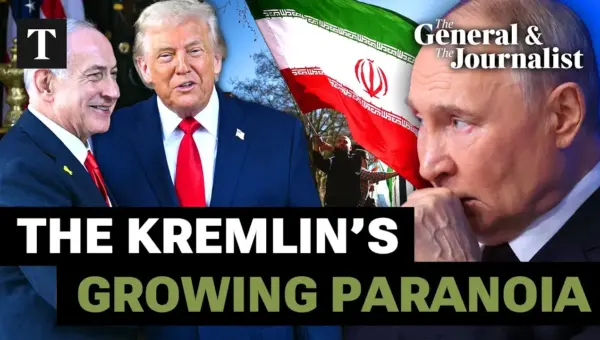
Kremlin Shakes: Elite Discontent Fuels Putin’s Paranoia
Internal turmoil and paranoia are reportedly gripping the Kremlin as President Putin faces growing elite discontent and the realities of the Ukraine war. Meanwhile, Russia's strategic involvement in the Iran conflict highlights complex calculations and potential risks, even as a wider global war remains unlikely.

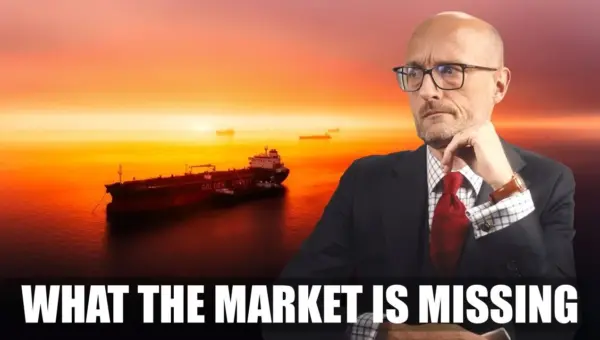
Stocks Ignore War Risks, Focus on “Taco Moments”
Stock markets appear to be overlooking the severe supply chain risks stemming from the Iran conflict, focusing instead on potential diplomatic de-escalations. While the S&P 500 shows resilience, bond and commodity markets signal deep concern over disruptions to critical resources like LNG, helium, and fertilizers.

Protesters Challenge Presidential Power, Ignite Debate
Millions are protesting nationwide under the "No Kings" banner, challenging presidential authority and policies they deem unconstitutional. Organizers emphasize First Amendment rights while debating foreign policy, immigration, and the balance of power.