Trump Strikes Iran Deal: Uranium Ban, Stockpile Removal
President Trump announced a new agreement with Iran involving a halt to uranium enrichment and removal of nuclear material. The deal also includes a ceasefire contingent on reopening the Strait of Hormuz and threats of massive tariffs on weapons suppliers.

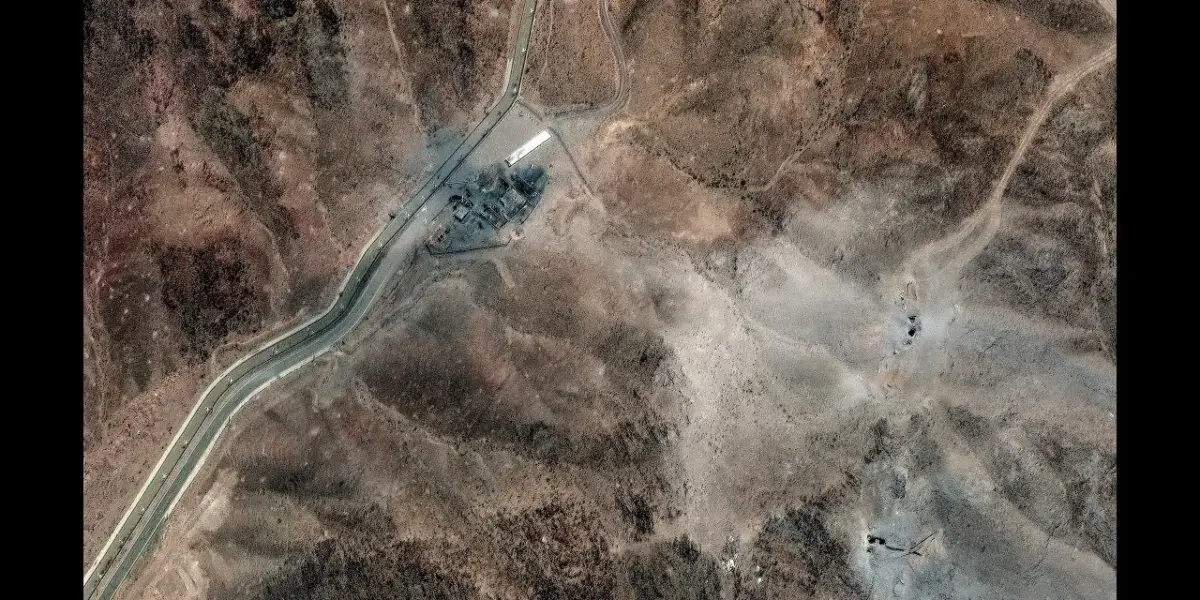
Trump Claims Historic Iran Deal on Nuclear Material
President Trump has announced a surprising agreement with Iran aimed at curbing its nuclear program. This deal, according to a post on Truth Social, includes a commitment from Iran to stop enriching uranium. Furthermore, the United States will reportedly work with Iran to remove deeply buried nuclear material. This cooperation marks a significant shift in US-Iran relations, moving away from years of tension.
Ceasefire Hinges on Strait of Hormuz Reopening
The agreement includes a two-week ceasefire. A key condition for this pause in hostilities is Iran’s promise to reopen the Strait of Hormuz. This vital waterway has been a point of conflict, with Iran previously threatening to disrupt shipping. The reopening is seen as a crucial step towards de-escalation.
Massive Tariffs Threaten Weapons Suppliers
In a stern warning to countries supporting Iran’s military, President Trump also announced plans for severe tariffs. Any nation found supplying Iran with weapons will face immediate tariffs of 50% on all goods sold to the United States. This move is clearly aimed at cutting off Iran’s access to military hardware. Historically, countries like China and Russia have provided Iran with weapons technology, including missiles and air defense systems. It remains to be seen which nations will be targeted first by these new tariffs.
World Leaders React with Cautious Optimism
News of the ceasefire has been met with a generally positive reception from world leaders. However, there is also a sense of caution. Vice President JD Vance, speaking in Hungary, issued a direct warning to Iran. He stated that while cooperation is welcome, any attempts to deceive or obstruct the agreement will have serious consequences. This sentiment highlights the delicate nature of the current situation.
“If the Iranians are willing in good faith to work with us, I think we can make an agreement. If they’re going to lie, if they’re going to cheat, if they’re trying gonna try to um prevent even the fragile truths that we’ve we’ve set up from taking place, then they’re not going to be happy.” – Vice President JD Vance
Potential Joint Venture for Strait of Hormuz
Beyond securing the strait, President Trump has also suggested a potential joint venture between the US and Iran. In an interview with ABC, he proposed a toll system for ships passing through the Strait of Hormuz. He believes a joint effort could effectively secure the passage. Trump also indicated that significant financial benefits could be realized from this collaboration.
White House Focus on Diplomacy and Security
The White House is expected to be busy following these announcements. President Trump is scheduled to meet with the NATO chief. Additionally, the White House press secretary will hold a briefing for reporters. These events suggest a focus on solidifying international alliances and communicating the details of the new Iran strategy.
Why This Matters
This reported agreement between the US and Iran, if it holds, could significantly alter the geopolitical landscape in the Middle East. For years, tensions have been high, often centering on Iran’s nuclear ambitions and its regional activities. The promise to cease uranium enrichment and remove nuclear material addresses a major international concern. The threat of massive tariffs also signals a new, aggressive approach to controlling the flow of weapons to the region. The reopening of the Strait of Hormuz is critical for global trade, as many oil tankers rely on this passage. A stable Strait means more predictable energy markets.
Historical Context and Future Outlook
The relationship between the US and Iran has been fraught with difficulty for decades. Following the 1979 revolution, diplomatic ties were severed. More recently, international efforts have focused on preventing Iran from developing nuclear weapons, leading to the 2015 Joint Comprehensive Plan of Action (JCPOA). The current administration’s approach appears to be a departure from previous strategies, emphasizing direct negotiation and strong economic pressure. The success of this new deal will likely depend on Iran’s willingness to comply and the international community’s ability to monitor its actions. The coming weeks will be crucial in determining whether this fragile agreement can lead to lasting peace and security in the region.
Source: Trump: Iran Won’t Enrich Uranium, Will Dig up Stockpile (YouTube)

Related Articles
Trump Threatens Media Over Ceasefire Report
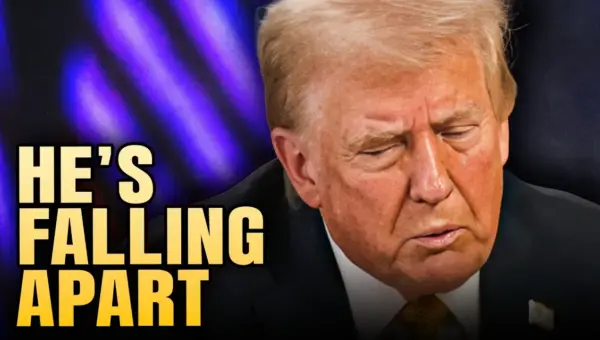
Donald Trump has escalated his conflict with CNN, threatening investigations after the network reported on Iran's claims regarding a ceasefire agreement. This action raises serious concerns about press freedom and potential government overreach.

Trump’s Iran War Fuels Inflation, Strains Alliances
Donald Trump's recent military actions in Iran are being blamed for a significant rise in U.S. inflation and increased gas prices, impacting consumer confidence. The conflict has also strained relationships with key international allies, leading to diplomatic friction and questions about the future of alliances like NATO.
MAGA Elite Rebel: Trump Battles His Own Loyalists
Donald Trump is facing a revolt from his own MAGA elite, including figures like Tucker Carlson and Alex Jones. The conflict erupted after Trump's comments on potentially threatening Iranian civilians, which even his loyalists found unacceptable. This internal dissent, backed by data from his own social media, signals potential cracks in his base.