Trump Store Fails: A Sign of Fading Political Fortunes?
A Trump merchandise store in Chicago has closed, with its owner citing falling sales linked to political events and economic uncertainty. This failure raises questions about the sustainability of businesses built solely on political branding.

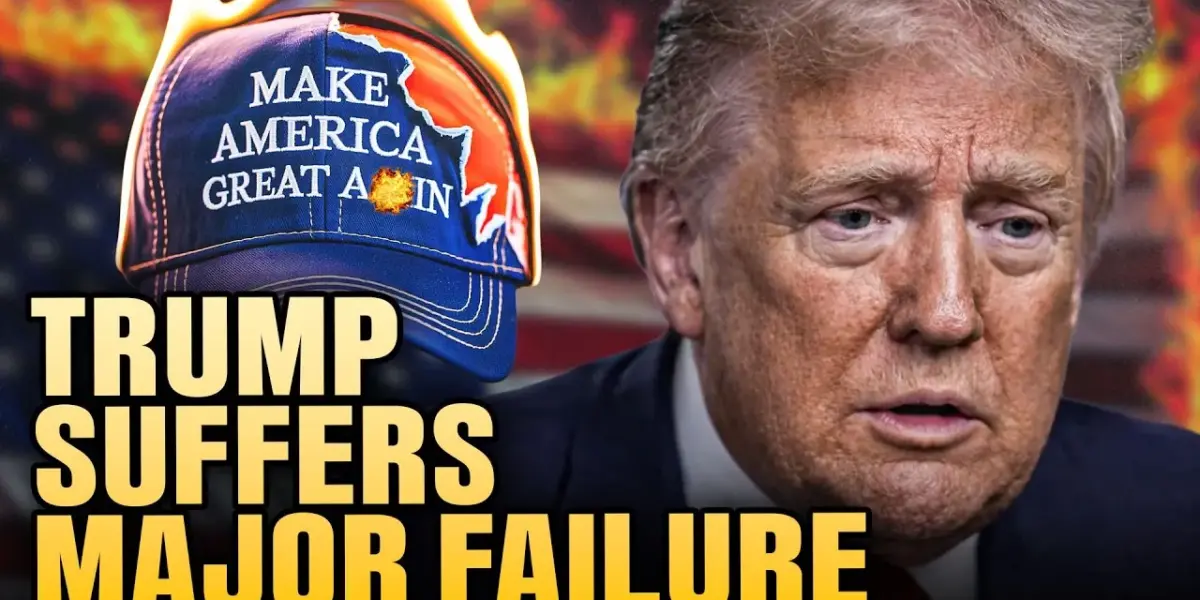
Trump Store Fails: A Sign of Fading Political Fortunes?
For years, Donald Trump’s name has been a brand. People have tried to make money by selling things with his name and image on them. These “Trump stores” popped up in many places, from the South to the North. The idea was that strong support for Trump would be enough to keep a business going. However, one store owner in Chicago learned this business model might not be as strong as she thought.
Lisa Fleshman, the owner of a Trump merchandise store in Chicago, has had to close her doors. She wasn’t making enough money to even cover her monthly rent. Fleshman believes sales dropped significantly after Donald Trump made comments about Iran. She said business “was dead as a doornail” after the situation started. Fleshman suggested customers might have felt unsure about what was happening. She also thought people wearing Trump merchandise might worry about being asked questions they couldn’t answer.
“I think customers are unsure what’s going on. Not everyone, but I think a majority of people are unsure what’s going on. And if you wear it, they feel someone might come up to them and ask them questions.”
The store sold items like shirts that said “God Guns and Trump 2024” and “Ice Ice Baby, Department of Doge.” They also had cardboard cutouts of Trump and shirts showing him as a superhero. These are the kinds of items sold by people who believe those critical of Trump suffer from “Trump derangement syndrome.” This term is often used to suggest critics have a mental problem. Yet, the store owner’s struggles suggest a different reality for some.
Fleshman’s situation highlights a potential disconnect between fervent political support and the practicalities of running a business. The idea that political merchandise alone can sustain a store is a gamble. When economic conditions worsen or foreign policy actions create uncertainty, consumer spending can quickly shift. This is especially true for non-essential items like political souvenirs.
Why This Matters
The closure of a Trump-themed store is more than just a single business failing. It can be seen as a small indicator of shifting public sentiment or economic pressures affecting even strong political bases. If a business built on a specific political figure’s popularity can’t survive, it raises questions about the long-term viability of such ventures. It also points to how external events, like international conflicts, can impact even seemingly unrelated businesses.
Fleshman, despite her struggles, remained optimistic. She stated, “I’m not even making half my rent. I never did this for the money, but I don’t know how much longer I can last with paying for all that stuff.” She expressed a belief that things would improve, linking it to national pride and freedom. This optimism, however, clashes with the economic realities she described. It also contrasts with the idea that a leader’s actions, whether economic or foreign policy related, can directly affect people’s livelihoods and willingness to spend.
Historical Context and Trends
Selling merchandise related to political figures is not new. Throughout history, items like buttons, flags, and posters have been used to show support for leaders and movements. However, the rise of social media and a more polarized political climate has amplified the commercialization of political identity. For some, supporting a politician like Trump became a significant part of their personal brand, leading to a market for related goods.
This trend saw an explosion during Trump’s presidency and continues to some extent. Yet, as the transcript suggests, the market for such goods might be sensitive to external factors. The economic situation, public perception of the leader’s actions, and general consumer confidence all play a role. A store’s success can be a barometer, not just of loyalty, but of the broader economic health and public mood.
Implications and Future Outlook
The failure of this particular store suggests that political loyalty alone might not be a sustainable business strategy. As political figures face scrutiny or as economic challenges mount, the demand for associated merchandise can fluctuate. This could mean that businesses relying heavily on a single political brand face higher risks.
The future for such businesses likely depends on several factors. These include the ongoing popularity of the political figure, the economic climate, and the ability of these businesses to adapt. If consumers are struggling financially, they are less likely to spend money on non-essential political items. Furthermore, if the political figure’s actions lead to controversy or negative public perception, it could directly impact sales.
Ultimately, the story of Lisa Fleshman’s store in Chicago serves as a reminder that businesses operate within a larger economic and social context. While political passion can drive sales, it is not immune to the realities of the marketplace or the impact of world events. The ability to connect with consumers, offer value, and adapt to changing circumstances remains crucial for any business, regardless of its political affiliation.
Source: Trump Store SHUTS DOWN As Support COLLAPSES (YouTube)

Related Articles

Ukraine Strikes Deep: Russia’s War Machine Falters
Ukraine's strategic strikes deep within Russia are crippling its war machine, leading to a 93% drop in Russian territorial gains over two months. Economic strain, infrastructure decay, and technological innovation by Ukraine are placing immense pressure on the Putin regime.

Economist Warns Iran War Fuels Inflation Surge
A sharp increase in gas prices, driven by the conflict in Iran, has tripled inflation in a single month. Experts warn that this is just the beginning, with lingering effects expected to impact consumers for years to come. The White House acknowledges short-term disruptions, but economists predict escalating costs and a significant hit to consumer sentiment.

Inflation Surge Threatens Housing Market Stability
Inflation is surging again, with prices jumping significantly in a single month. This rise, driven by oil and shipping costs, is expected to keep mortgage rates high and slow down the housing market. Consumers and investors alike will feel the financial pressure.