Trump Stays Put: Iran Tensions Keep President at White House
President Trump has postponed his Easter weekend trip to Florida, remaining at the White House due to rising tensions with Iran. The downing of a U.S. fighter jet over Iranian territory has prompted the President and his national security team to focus on managing the crisis from Washington D.C.


Trump Stays Put: Iran Tensions Keep President at White House
President Trump has changed his Easter weekend plans, staying at the White House instead of traveling to his Florida resort. This decision comes as tensions rise with Iran, following the downing of an F-15E fighter jet over Iranian territory. Senior administration officials confirm the President has been closely watching events unfold from the Oval Office and the adjacent dining room. His national security team is also present at the White House, indicating the seriousness of the situation.
Normally, President Trump would be heading to his Mar-a-Lago property in Palm Beach, Florida, for the holiday weekend. This usual routine highlights how significant the current events in Iran are, prompting him to remain in Washington D.C. The presence of a Marine sentry outside the West Wing serves as a visible reminder of the President’s constant readiness and the high-stakes environment he is operating within.
Motivations and Interests
President Trump’s decision to stay is driven by a need to manage the escalating situation with Iran directly. His primary interest is to maintain control and project strength in a volatile region. By remaining at the White House, he ensures immediate access to intelligence briefings and the ability to make swift decisions. This also sends a message to allies and adversaries alike that the U.S. is focused on the developing crisis.
Iran’s actions, including the downing of the fighter jet, are likely aimed at testing U.S. resolve and potentially seeking concessions. The Iranian government’s interests lie in asserting its regional influence and pushing back against U.S. pressure, which has included sanctions and increased military presence. The downing of the jet could be a deliberate provocation or a miscalculation, but it certainly raises the stakes for both sides.
Regional Context and Power Dynamics
The broader context involves ongoing strategic competition in the Middle East. The U.S. aims to counter Iranian influence, support regional partners like Saudi Arabia and Israel, and ensure the free flow of oil. Iran, conversely, seeks to maintain its strategic depth, support allied groups in places like Yemen and Syria, and resist U.S. sanctions. The downing of an advanced U.S. military asset like an F-15E is a significant event that could alter the regional balance if not managed carefully.
This incident occurs against a backdrop of complex regional alliances and rivalries. Key players include the U.S. and its Gulf Arab allies, Israel, and Iran with its network of proxies. Any misstep could draw in other regional powers or lead to a wider conflict. The White House’s focused response underscores the delicate nature of these power dynamics.
Economic and Military Considerations
While the transcript does not detail specific economic sanctions or trade figures, U.S.-Iran relations have been heavily influenced by economic policies. U.S. sanctions aim to cripple Iran’s economy and limit its ability to fund military activities. Iran, in turn, has used its strategic position, particularly concerning energy routes in the Persian Gulf, as a point of leverage.
The loss of an F-15E fighter jet represents a significant military event. These aircraft are advanced and costly, and their loss impacts operational readiness and national prestige. The incident requires a careful U.S. response, balancing the need to retaliate or deter further aggression with the desire to avoid a full-scale conflict.
Future Scenarios
One scenario is that both sides de-escalate, perhaps through back-channel communications, recognizing the danger of further conflict. This would allow President Trump to resume his normal schedule, though the underlying tensions would remain. Another possibility is a limited U.S. military response aimed at deterring future actions without triggering a wider war. This could involve targeted strikes or increased naval presence.
A more dangerous scenario involves miscalculation leading to a broader regional conflict. This could draw in other countries and significantly disrupt global energy markets. The President’s current focus at the White House suggests an awareness of these potential outcomes and a desire to manage the situation proactively.
Global Impact
The events in Iran have ripple effects far beyond the immediate region. Global markets, especially oil prices, are sensitive to instability in the Middle East. Any significant escalation could lead to price spikes and supply disruptions, affecting economies worldwide. Furthermore, the actions of major powers like the U.S. in this region shape international norms regarding sovereignty and the use of force.
This situation also tests international diplomatic frameworks. How the U.S. and Iran manage this crisis, and how other global powers react, will influence future geopolitical alignments and the effectiveness of international crisis resolution mechanisms. The world watches closely as President Trump navigates these critical decisions from the White House.
Source: President Trump to stay at the White House for Easter weekend (YouTube)

Related Articles

Trump’s Bold Oil Plan: Seize Hormuz for Global Fortune
President Trump proposed the U.S. seize control of the Strait of Hormuz to profit from oil sales. This bold suggestion comes as nations dependent on the vital waterway show reluctance to ensure its openness. The situation highlights global energy security concerns and complex international relations.
US Jet Downed Over Iran: Crew Separation Risks Examined
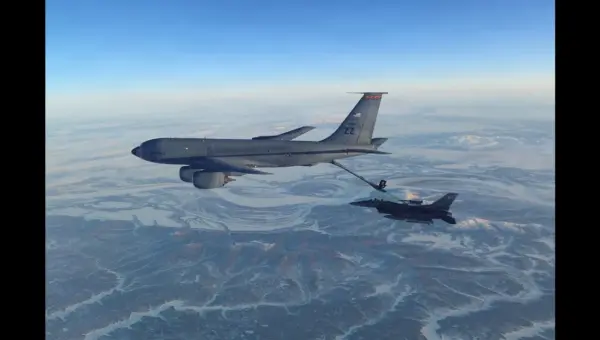
A U.S. fighter jet downed over Iran prompts a search and rescue mission, highlighting the risks and challenges faced by aircrews. Analysts suggest factors like low altitude and wind may have contributed to the incident, while the vital role of the Space Force in modern military operations is also examined.
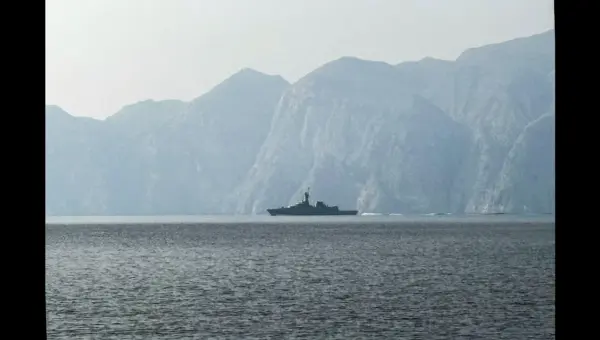
Iran’s Strait of Hormuz Threats Offer Chance to Reshape Middle East
Iran's aggressive tactics in the Strait of Hormuz, while threatening global energy supplies, present a unique opportunity to reshape Middle East dynamics. Analyst David Wormser suggests that new energy routes and strategic island seizures could fundamentally alter regional power structures and trade.