Trump Spokesperson Crumbles Under Legal Pressure
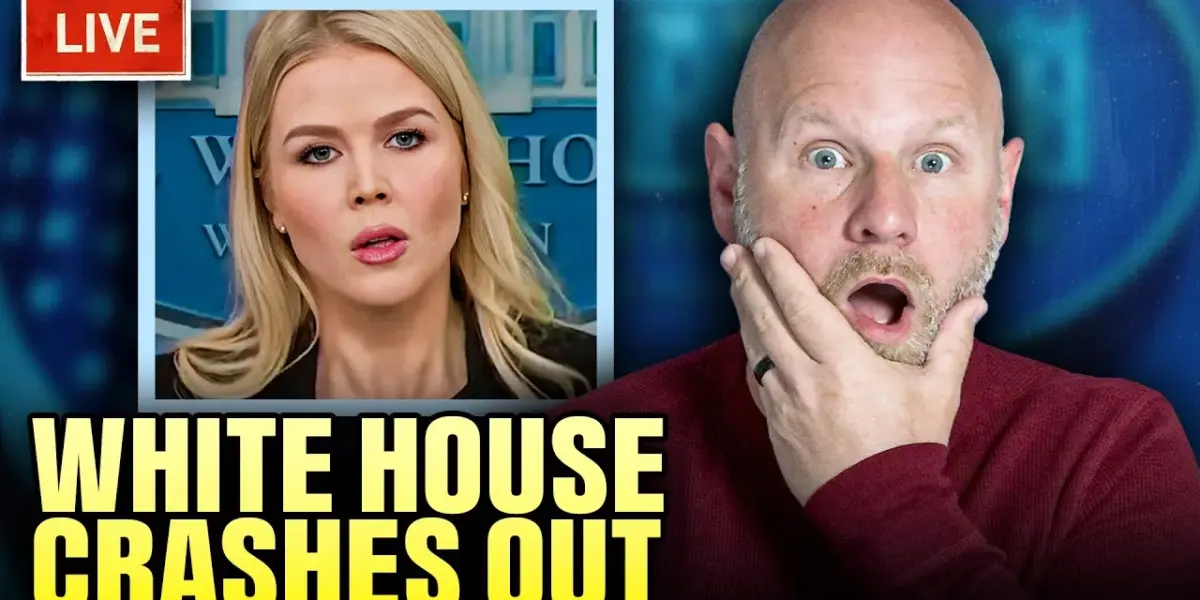
Karoline Leavitt, a spokesperson for Donald Trump, faced intense questioning regarding Special Counsel Jack Smith's memo on classified documents. Leavitt's agitated response, dismissing the memo as a hoax, highlights the increasing pressure on Trump's team amid ongoing legal challenges. This incident reflects a broader trend of legal battles being intertwined with political messaging.

Trump Spokesperson Crumbles Under Legal Pressure
Karoline Leavitt, a spokesperson for Donald Trump, recently faced intense questioning about a memo released by Special Counsel Jack Smith. The memo details the alleged motive behind Trump’s handling of classified documents after leaving office. Leavitt’s reaction to the reporter’s questions has drawn significant attention, highlighting the ongoing legal challenges surrounding the former president.
The Reporter’s Question and Leavitt’s Response
During a press briefing, a reporter pressed Leavitt on the specifics of Jack Smith’s memo. The memo reportedly outlines the prosecution’s view on why Trump kept the sensitive materials, suggesting a motive for what is described as theft. Leavitt’s response was notably defensive. She appeared to become agitated, dismissing the memo and the investigation as a political hoax.
Her reaction was described by some observers as a breakdown under pressure. Instead of directly addressing the contents of the memo, Leavitt pivoted to attacking Democrats and reiterating claims of a politically motivated witch hunt. This approach is familiar, as it mirrors the public relations strategy often employed by Trump himself when facing legal scrutiny. However, the intensity of Leavitt’s reaction suggests the increasing strain of defending against these serious allegations.
Jack Smith’s Memo: A Key Piece of the Puzzle
Jack Smith, the Special Counsel appointed to oversee investigations into Donald Trump, has been a central figure in these legal battles. His office’s work on the classified documents case is crucial. The memo in question is not just a random document; it likely represents a significant part of the prosecution’s case. It aims to establish Trump’s intent, which is a key element prosecutors must prove in court.
Understanding the motive is vital in legal proceedings. It helps explain why someone acted in a certain way. In this context, prosecutors want to show that Trump had a reason to keep the documents beyond simple oversight or administrative error. This motive, as laid out by Smith’s team, could be critical in determining the outcome of the case. The memo’s release signals a determined effort by the prosecution to build a strong case.
The Broader Legal Context
This situation is part of a larger pattern of legal challenges facing Donald Trump. Beyond the classified documents case, he is also dealing with investigations and indictments related to the January 6th Capitol attack and his business dealings. Each case presents unique legal hurdles and public relations challenges.
The strategy of labeling investigations as politically motivated has been a cornerstone of Trump’s defense. Leavitt’s strong adherence to this narrative, even when confronted with specific details from the prosecution, shows the unified front the Trump campaign aims to present. However, as legal processes advance and evidence is presented, maintaining such a narrative becomes increasingly difficult. The pressure on Trump and his team is mounting with each new development.
Why This Matters
The public reaction to Karoline Leavitt’s response is significant because it reflects a broader public discourse about accountability and the rule of law. When a spokesperson for a major political figure reacts with such vehemence to legitimate journalistic inquiry, it raises questions about transparency and the willingness to engage with facts.
This event matters because it showcases the intense pressure on those defending Donald Trump. It suggests that the legal challenges are taking a toll, not just on Trump himself, but also on his close associates. Furthermore, it highlights how political figures and their teams often use deflection and accusations of bias to avoid discussing substantive issues. This tactic can make it harder for the public to understand complex legal matters and assess the evidence presented.
Implications, Trends, and Future Outlook
The trend we are seeing is one where legal battles are increasingly intertwined with political messaging. Trump’s legal team and surrogates consistently frame every accusation as an attack on him and his supporters. Leavitt’s reaction is a clear example of this strategy in action.
Looking ahead, these legal proceedings are likely to continue shaping the political landscape. The outcomes of these cases could have a profound impact on future elections and the public’s trust in institutions. As more information, like Jack Smith’s memo, becomes public, the pressure on Trump and his allies will likely intensify. We can expect more instances of strong rhetoric and deflection as they attempt to manage public perception amidst ongoing legal scrutiny.
Historical Context
The use of legal challenges and accusations of political persecution is not new in politics. However, the sheer volume and complexity of the legal issues surrounding a former president are arguably unprecedented in modern American history. Historically, presidents have faced investigations, but rarely have they been indicted while still actively seeking public office.
This current situation places a unique strain on the legal system and the political process. The way individuals like Leavitt respond to these challenges often reflects the broader narrative being constructed by the campaigns involved. The public’s ability to discern fact from political spin will be crucial in navigating these complex times.
Source: Karoline Leavitt Falls To Pieces Over Jack Smith's Shocking Trump Memo (YouTube)

Related Articles
Trump’s Name Everywhere: A ‘Stain’ on GOP Legacy?
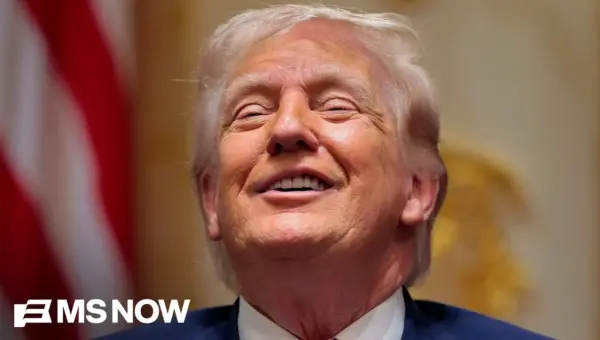
Former President Donald Trump's efforts to brand national symbols, including a proposed signature on dollar bills, spark debate. Critics view this as an authoritarian attempt to embed his legacy, potentially staining the Republican Party's history and contrasting with democratic ideals of public ownership.
Trump’s War Talk Stuns Financial Crowd
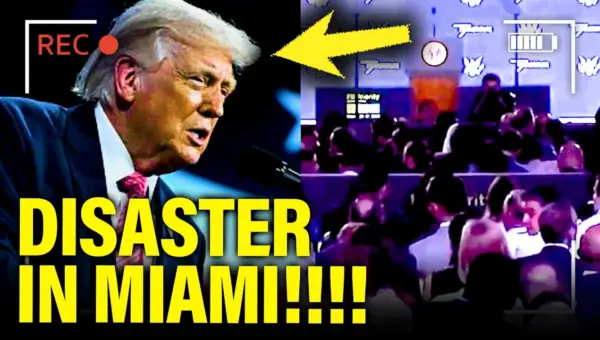
Donald Trump's recent speech in Miami focused on his foreign policy, particularly his critical views on NATO and his vision for international relations. He declared the U.S. would no longer defend NATO allies, questioned the value of existing alliances, and suggested renaming the Strait of Hormuz. The speech also touched on his personal views of success, his allies, and his perceived role as a global peacemaker.
Trump’s Warpath: New Threats Signal Imperial Ambitions
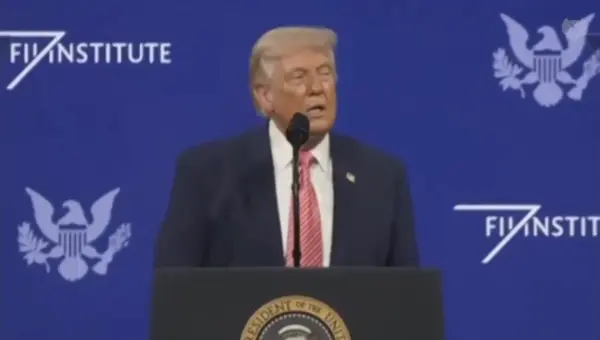
Recent statements from Donald Trump reveal a potential embrace of increased military action and interventionist foreign policy. This approach, characterized by critics as "imperialism 2.0," contrasts with his past promises of peace and has even drawn criticism from parts of his own base. The implications for U.S. global engagement and domestic priorities are significant.