Trump Spins War Chaos: “Good Thing” as Oil Prices Soar
Donald Trump's claim that rising oil prices are beneficial to the U.S. is analyzed as a strategic spin amidst global conflict and economic hardship. The piece explores the disconnect between this narrative and the tangible impact on everyday Americans, questioning the leader's populist claims.

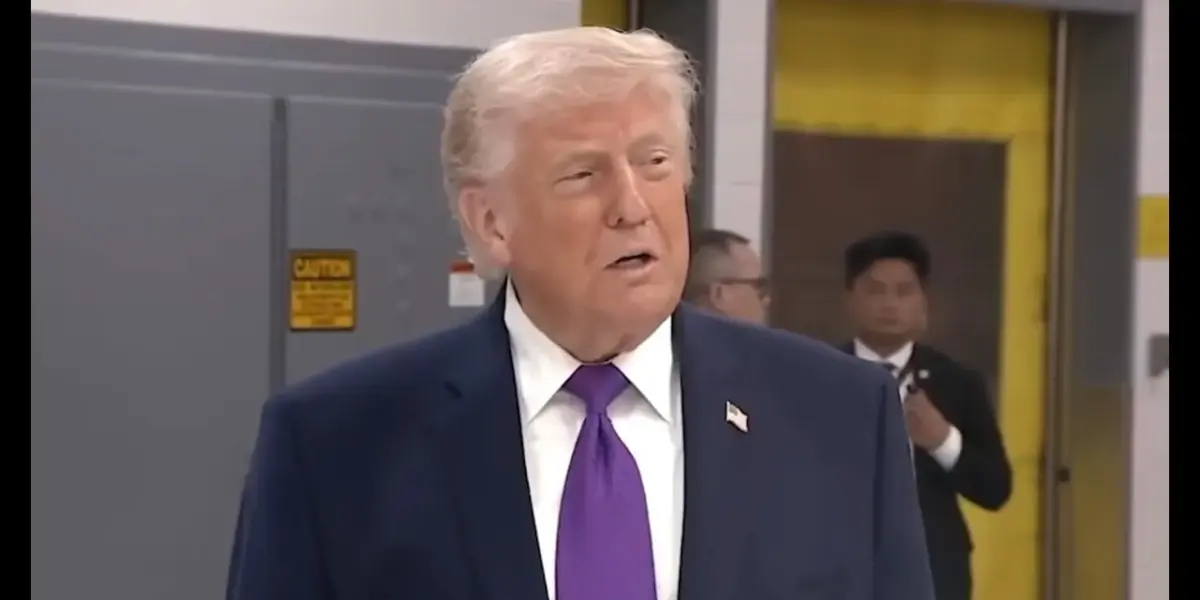
Trump’s Oil Paradox: A Calculated Spin Amidst Global Crisis
In a move that defies conventional economic logic, former President Donald Trump has asserted that surging oil prices, exacerbated by the ongoing conflict in Iran, are actually a beneficial development for the United States. This declaration, made amidst a backdrop of escalating global tensions and significant economic strain on everyday Americans, positions Trump’s rhetoric as a deliberate attempt to reframe a crisis as a triumph. The assertion that higher oil prices equate to greater American wealth, while seemingly plausible on a superficial level, overlooks the intricate web of economic consequences that such price hikes entail.
The Escalating Oil Crisis and its Ripple Effects
The international oil market is currently experiencing unprecedented volatility. Reports from entities like the International Energy Agency highlight the “largest supply disruption in the history of the global oil market,” directly linked to Iran’s increased focus on targeting fuel infrastructure across the region. This has propelled oil prices back above $100 a barrel, a figure that directly impacts consumers through higher costs for gasoline, heating, and a vast array of goods and services not produced domestically.
The transcript vividly illustrates the tangible effects of this crisis on ordinary citizens. The prospect of gasoline prices climbing towards $4 or $5 a gallon, and diesel prices nearing similar heights, translates directly into increased operational costs for truckers. These increased expenses are invariably passed on to consumers in the form of higher prices for groceries, essential goods, and virtually every item transported by road. Businesses, already grappling with tariffs and other economic pressures, find themselves unable to absorb these escalating fuel surcharges, leading to a broader inflationary impact that affects household budgets across the board.
Trump’s Economic Narrative: A Strategic Reframing
Trump’s response to this crisis has been to pivot to a narrative of American economic strength, arguing that as the world’s largest oil producer, the U.S. profits from rising global prices. “The United States is the largest oil producer in the world by far. So when oil prices go up, we make a lot of money,” he stated. This perspective, while highlighting a potential benefit for a segment of the energy sector, sidesteps the significant economic pain inflicted upon the vast majority of Americans who are net consumers of energy and goods.
The critique presented in the transcript suggests that this framing is a deliberate attempt to deceive the public. The analysis points out that despite the rhetoric, the war in Iran, initiated without congressional notification or a clear plan for civilian evacuation, has led to significant logistical and economic disruptions. Cargo deliveries are stranded, shipping costs have soared, and insurance premiums have skyrocketed. Beyond the pump, the price increases extend to food, medicine, airfare, electricity, and even the semiconductors essential for modern technology.
Historical Context and Misappropriated Language
This situation is not entirely without historical parallels, though the specific rhetoric employed by Trump offers a unique angle. The use of terms like “excursion” to describe military actions, rather than the more accurate “incursion,” has been a point of contention. The transcript highlights the linguistic gymnastics involved, contrasting Trump’s casual dismissal of a military operation as a “little excursion” with the actual definition of the term, which implies a brief, often leisure-related trip. This deliberate mischaracterization of a serious military engagement has drawn sharp criticism, particularly given the lack of linguistic correction from within his own party.
The criticism extends to Trump’s broader approach to governance and public communication. The transcript suggests a pattern of reframing failures as successes, citing his claims of winning on tariffs despite Supreme Court rulings against his policies, and his persistent assertions of victory in the 2020 election, which have been repeatedly debunked. The analysis posits that this is indicative of a “fake populist” persona, one that prioritizes self-interest and the interests of his wealthy allies over the well-being of ordinary citizens.
Why This Matters
The implications of this communication strategy are profound. It underscores a growing disconnect between political rhetoric and the lived realities of the electorate. When significant economic hardships are framed as national triumphs, it erodes public trust and hinders effective policy-making. The ability of a leader to shape public perception through carefully curated language, even when demonstrably at odds with observable facts, poses a challenge to informed public discourse and democratic accountability.
Trends and Future Outlook
The current political climate suggests a continued reliance on such narrative control. The transcript notes the potential for social media platforms to suppress critical coverage, further empowering administrations to manage public perception. This trend, coupled with the polarization of political discourse, means that the ability to discern truth from strategically crafted narratives will become increasingly crucial for citizens. The future outlook suggests that leaders may continue to leverage economic anxieties and geopolitical events to advance their political agendas, often by spinning adverse outcomes into perceived victories.
Furthermore, the transcript touches upon the broader implications for democratic institutions. The persistent questioning of election integrity and the utilization of unverified claims to justify actions, such as the seizure of election records, represent a significant challenge to the foundational principles of democracy. The analysis concludes that Trump’s approach, characterized by a disregard for truth and a focus on personal gain, is not merely a political tactic but a fundamental threat to the integrity of democratic processes and the well-being of the populace.
“Donald Trump lies about everything because he doesn’t care about anyone but himself. He’ll lie about the war he got us into, our economy he’s thrown into turmoil, and the democracy that he continues to upend.”
Source: Trump LOSES IT with STAGGERING announcement | Another Day (YouTube)

Related Articles

Tiger Woods Arrested for DUI After Crash
Golf legend Tiger Woods was arrested for DUI in Florida following a dramatic rollover crash. Meanwhile, a government shutdown continues as House Republicans block a Senate deal, leading to airport chaos and TSA worker pay issues. The stock market also plummeted into correction territory amid fears of a prolonged Iran conflict.
Trump’s Name Everywhere: A ‘Stain’ on GOP Legacy?
Former President Donald Trump's efforts to brand national symbols, including a proposed signature on dollar bills, spark debate. Critics view this as an authoritarian attempt to embed his legacy, potentially staining the Republican Party's history and contrasting with democratic ideals of public ownership.
Trump’s Iran War Plans Criticized Amid Border Funding Standoff
Lawmakers and analysts are criticizing the Trump administration's handling of the Iran conflict and its approach to border funding, arguing that a lack of clear planning and a focus on political battles are making the U.S. less safe. Concerns are particularly high regarding the FBI's priorities and the potential impact of these issues on national security.