Trump Slams Starmer’s ‘Stupidity’ on Iran, Threatens UK-US Relations
Donald Trump has strongly criticized UK Labour leader Keir Starmer's handling of the Iran situation, calling it "stupidity" and a "disaster for transatlantic relations." The former US President's remarks highlight a significant strain on UK-US ties, with concerns raised about Britain's decision to deny US access to military bases.

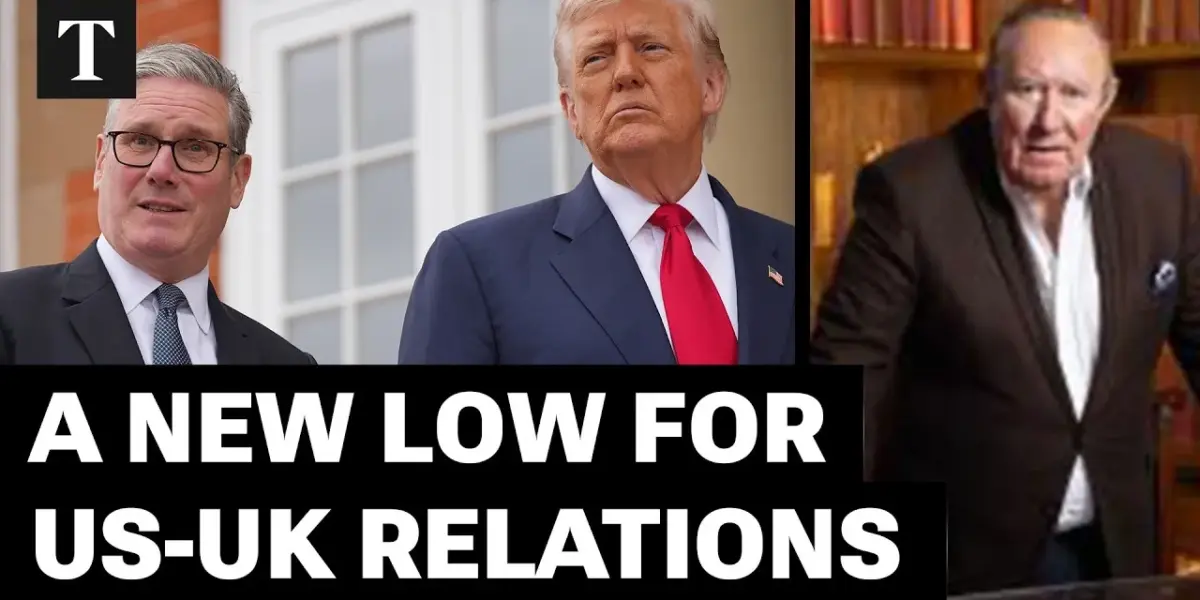
Trump Criticizes Starmer Over Iran Stance, Straining UK-US Ties
Former US President Donald Trump has sharply criticized UK Labour leader Keir Starmer’s handling of the recent tensions with Iran, labeling the decision as “stupidity” and a “disaster for transatlantic relations.” Speaking to The Sun’s Harry Cole, Trump expressed frustration with Starmer’s perceived lack of action and questioned the strength of the “special relationship” between the United States and the United Kingdom.
Andrew Neil, speaking on Times Radio, echoed concerns about the state of US-UK relations, suggesting they are at a low point. “I can’t remember a time now when the UK US relations have been worse than this, and it’s been handled very badly by Britain, particularly by Starmer,” Neil stated. He argued that Britain’s decision to deny the US access to military bases in the UK, influenced by “dubious international law” rather than national interest, has significantly damaged ties.
The Iran Stance: Bases, Law, and Political Calculation
The core of the dispute centers on the UK’s response to a recent incident involving Iran. While the US sought access to British bases and, according to Neil, did not necessarily require direct military participation from the UK, the government under Starmer reportedly denied this request. Neil criticized this move, stating, “Instead of agreeing to that, and there was no skin off our nose to do so, we have a prime minister who took more account of dubious international law to stop the Americans from doing this than the national interest.”
This decision, followed by what Neil described as a “U-turn” within 24 hours, has been interpreted by Trump and others as a politically motivated move by Starmer to appease certain voter demographics. Trump specifically accused Starmer of “pandering to the Muslim vote.” Neil, while acknowledging unease about potential conflict, suggested that Starmer’s actions are driven by a desire to shore up his party’s left flank, particularly in light of recent electoral challenges from the Green Party.
“The stupidity of that decision allowing international lawyers of dubious provenance to determine the national interest of the United Kingdom is a disaster for transatlantic relations.”
– Andrew Neil
Political Fallout and the Shifting Landscape
The fallout from Starmer’s stance is being viewed through the lens of domestic British politics. Neil observed that the Labour leader’s rhetoric, emphasizing non-participation in the attack on Iran, stems from a need to counter the Greens and appeal to his party’s left wing. This shift is happening at a time when opinion polls show Reform UK and the Greens gaining traction, potentially leaving traditional parties like Labour and the Conservatives struggling.
Adam Bolton, a presenter for Times Radio, commented on the sensitivity of US-UK relations, noting that British politicians have historically sought closeness with the US President. He suggested that Trump’s transactional approach might explain the strong criticism. Bolton also pointed out that while Starmer’s decision might align with the majority of UK voters’ unease about conflict, the refusal to allow base usage and the “legalistic inability” to express support for the outcome were significant missteps.
Cultural Identity and Political Polarization
The debate has also touched upon broader issues of cultural identity and political polarization in the UK. Some commentators, including those cited by Trump and his allies, have raised concerns about the erosion of traditional European or “white Christian culture.” This narrative is being amplified by parties like Reform UK, which advocate for defending “traditional British culture.” Conversely, the Green Party is seen as aligning with immigration and, according to some, “extreme aspects of Islamism.”
Neil and Bolton suggested that this polarization is forcing both the Labour and Conservative parties to shift their positions, potentially alienating centrist voters. The upcoming economic statements and parliamentary discussions on the Middle East are expected to further highlight these divisions.
Economic Shadows and Future Outlook
The current geopolitical situation, particularly the conflict impacting oil and natural gas supplies, is casting a shadow over the UK’s economic outlook. Any hopes for positive economic forecasts, such as a reduction in inflation and modest growth, may be undermined by these global events. Rachel Reeves’s upcoming spring statement is likely to be overshadowed by these uncertainties.
Looking ahead, the UK’s relationship with the US remains a critical point of concern. The perceived damage to transatlantic ties, exacerbated by the Iran incident and Trump’s strong reaction, will likely be a key issue to monitor. The ability of the UK government to navigate these complex international relations while addressing domestic political pressures and economic challenges will be crucial in the coming months.
Source: Starmer’s ‘Stupidity’ On Iran Is A ‘Disaster’ For Transatlantic Relations | Andrew Neil (YouTube)

Related Articles

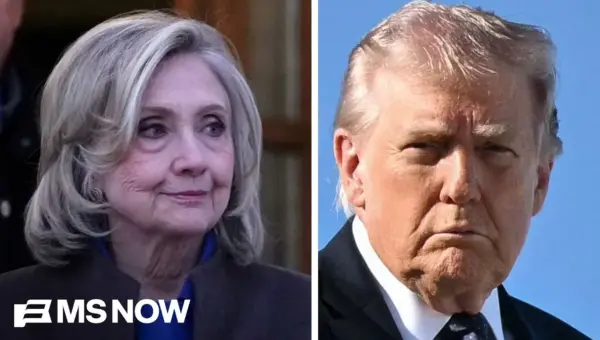
Hillary Clinton Calls for Trump Deposition in Epstein Probe
Hillary Clinton has called for former President Donald Trump to be deposed in the ongoing Jeffrey Epstein investigation, stating he "absolutely" should be questioned. Speaking after her own lengthy deposition, Clinton dismissed conspiracy theories and argued that Trump's past conduct makes him a relevant witness. The call highlights ongoing political tensions surrounding the probe.

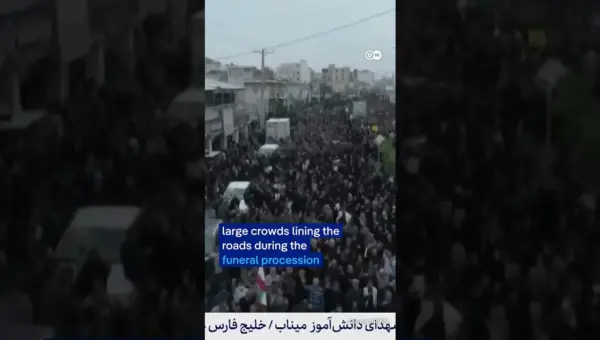
Iran Mourns Girls Lost in School Strike Attack
Mourners in Minab, Iran, gathered Tuesday for the funeral of victims of a strike on a girls' school. Coffins bearing children's photos were carried through Hormozgan Province amidst large crowds, highlighting the community's profound grief and shock.
UK’s Iran Stance Defended Amidst Trump Tensions
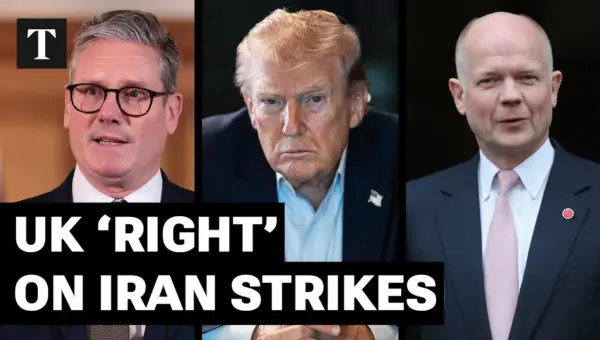
Former Foreign Secretary William Hague defended the UK's response to US-Israel strikes on Iran, arguing the government's actions were broadly correct despite imperfect presentation. He highlighted historical precedents for US-UK disagreements and questioned current diplomatic strategies.