Trump Slams Media Critics, Sparks GOP Division
President Trump unleashed a fiery attack on right-wing media figures like Tucker Carlson and Meghan Kelly, calling them "low IQ" and "troublemakers" after they criticized his Iran policy. The broadside highlights growing divisions within the Republican party and the complex relationship between Trump and his conservative media allies.

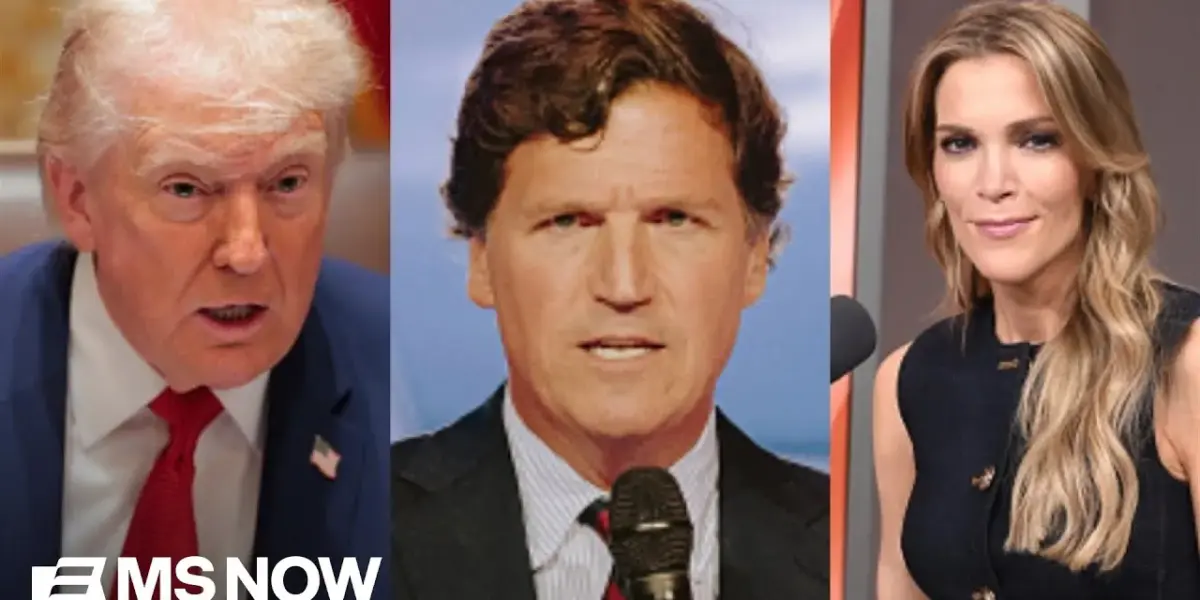
Trump Attacks Right-Wing Media Figures After Iran Criticism
President Trump launched a blistering attack on prominent right-wing media personalities this week, calling them “low IQ, nut jobs, and troublemakers” in a lengthy social media post. The fiery online rant targeted podcasters Tucker Carlson, Meghan Kelly, Kandace Owen, and Alex Jones, who had recently criticized Trump’s stance on Iran. This public spat highlights growing divisions within the Republican party and raises questions about the President’s relationship with key conservative voices.
‘War and Peace Without the Peace’
The President’s broadside, described by one observer as “war and peace without the peace,” spanned 485 words on his Truth Social platform. Trump accused the criticized figures of being “losers” seeking publicity by latching onto the MAGA movement. The timing of the attack is particularly notable, as both Owens and Jones had previously called for the 25th Amendment to be invoked, a move also supported by Representative Marjorie Taylor Greene. Greene, however, defended the podcasters, stating they helped get Trump elected and that “he didn’t change them.”
Concerns Over Iran Policy
The core of the criticism from figures like Kelly and Jones reportedly focused on Trump’s strong rhetoric regarding Iran, with some calling his threats to “wipe out Iranian civilization” concerning. These commentators, who command millions of followers and largely supported Trump, voiced worries that the President might be drawing the U.S. into conflict in the Middle East. This sentiment appears to resonate with a segment of voters who supported Trump precisely because they believed he would avoid such entanglements.
Personal Attacks and Shifting Alliances
David Drucker, a senior writer at The Dispatch and columnist for Bloomberg Opinion, noted that Trump’s tirades are often intensely personal. “He didn’t criticize Owens, it’s all because they are criticizing him,” Drucker observed. He pointed out that Trump has previously embraced figures with controversial views, but turns on them when they challenge him directly. This pattern suggests that loyalty to Trump personally, rather than ideological alignment, is a key factor in his public relationships.
Divisions Within the MAGA Base
The conflict also underscores a broader challenge for the Republican party: the diverse nature of the MAGA base. While many listeners of these podcasters are staunch Trump supporters, they are not necessarily representative of all voters who identify with the movement. Drucker suggests that many MAGA voters joined the right due to issues like dissatisfaction with the Biden administration or its handling of COVID-19. These voters, he argues, may be growing skeptical of Trump’s leadership, particularly regarding economic issues and foreign policy decisions like the focus on Iran.
The Power of Influencers and Social Media
The influence of these right-wing media figures is significant, with massive audiences on platforms like YouTube and widespread clips shared across social media. J.Mart, a political bureau chief, highlighted the reach of personalities like Joe Rogan and Tucker Carlson, emphasizing that their impact extends beyond their live shows through viral clips. “People who otherwise aren’t listeners or viewers of those shows, do catch 30-second snippets on social,” he explained, noting their outsized influence in today’s media landscape.
Risking Key Factions
Trump’s attacks risk alienating not just the criticized media figures but also their followers. Drucker warned that Trump could be losing two key factions of the Republican party: the hard-core, conspiratorial wing represented by figures like Alex Jones, and the pre-Trump establishment Republicans who find his conduct embarrassing. Both groups, he suggested, might stay home on election day or even vote for a Democrat to send a message. This division poses a significant challenge for the GOP, especially in closely contested elections where margins are slim.
Mainstream Media Weighs In
The controversy has also drawn commentary from mainstream media figures. Peggy Noonan, writing about Trump’s posts, described them as “horrifying” and constituting “a new bottom” in public discourse. She argued that dismissing such statements as simply “Trump being Trump” is a mistake, emphasizing that presidential rhetoric has real-world consequences. “You destabilize the world when as an American president you say such things,” Noonan wrote, urging a more serious consideration of his words.
Looking Ahead
As the election cycle progresses, the fallout from Trump’s public feud with conservative media figures will likely continue to shape the Republican narrative. The ability of the party to bridge these internal divides and maintain a unified front will be crucial. Observers will be watching closely to see if Trump can mend fences with these influential voices or if this rift will deepen, potentially impacting voter turnout and the party’s electoral prospects in upcoming elections.
Source: Trump attacks right-wing media figures after Iran criticism (YouTube)

Related Articles

Trump Renovation Raises Questions of Foreign Steel Influence
Questions are being raised about the use of foreign steel in White House renovations and potential links to policy changes. A donation of steel from ArcelorMittal to President Trump's ballroom project preceded adjustments to tariff policies that could benefit the company. This has sparked debate over transparency and corporate influence in government.

Trump’s Iran Deal Threatens US Credibility
Critics argue that Donald Trump's approach to a potential Iran ceasefire deal will result in a strategic humiliation for the United States. Concerns include Iran gaining more control over vital waterways and maintaining its nuclear program, while exposing U.S. military vulnerabilities and eroding regional credibility.

Kerry Warns Trump on Iran: “Dangerous Moment”
Former Secretary of State John Kerry described the current conflict with Iran as a "very dangerous moment," criticizing the Trump administration's withdrawal from the nuclear deal and its haphazard approach to foreign policy. He warned that these actions have significantly increased Iran's leverage and made future diplomacy much more difficult.